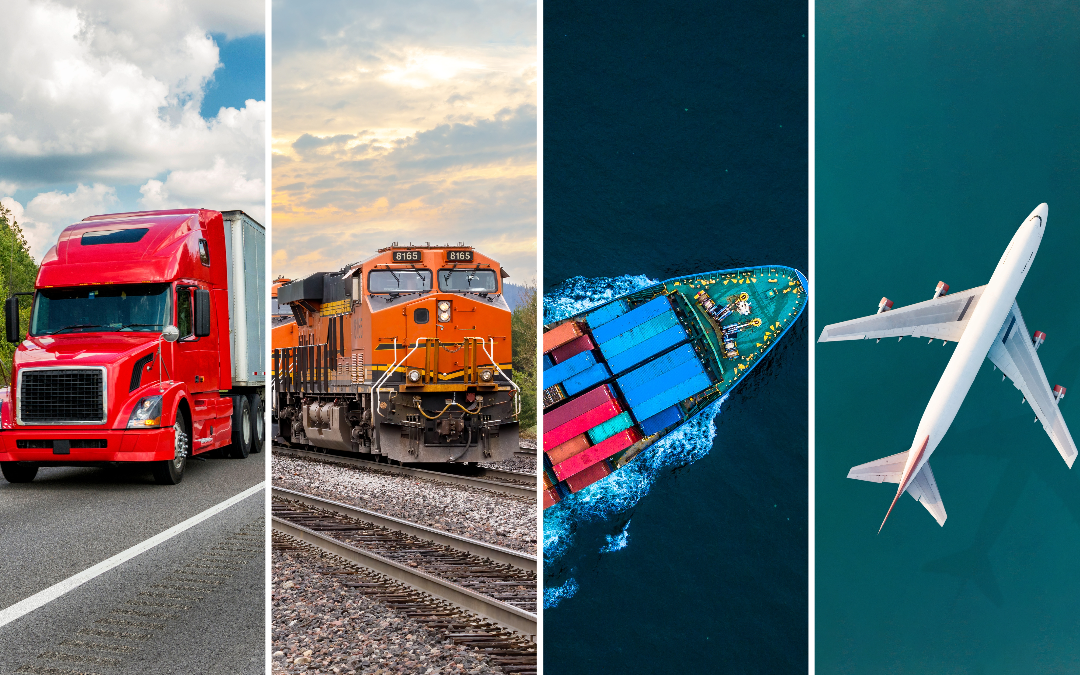
Connecting the Dots in Intermodal Transportation
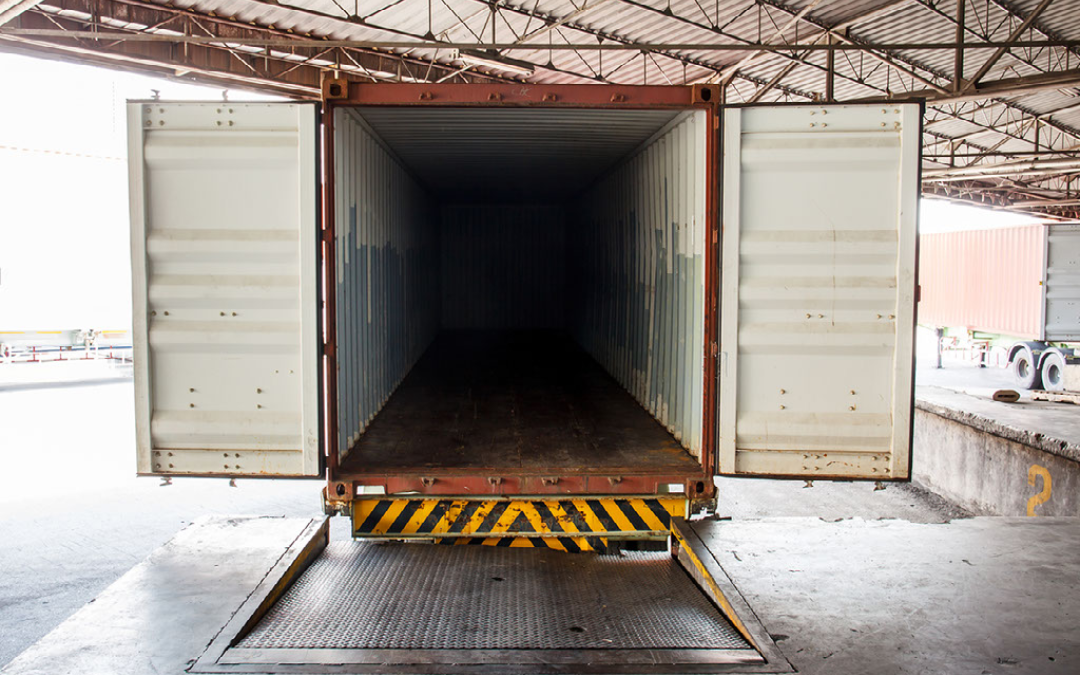
Intermodal transportation moves goods from point A to point B using two different transportation modes. Goods are shipped in steel containers by either trucks, railroads, ships, or air freight.


Intermodal transportation moves goods from point A to point B using two different transportation modes. Goods are shipped in steel containers by either trucks, railroads, ships, or air freight.
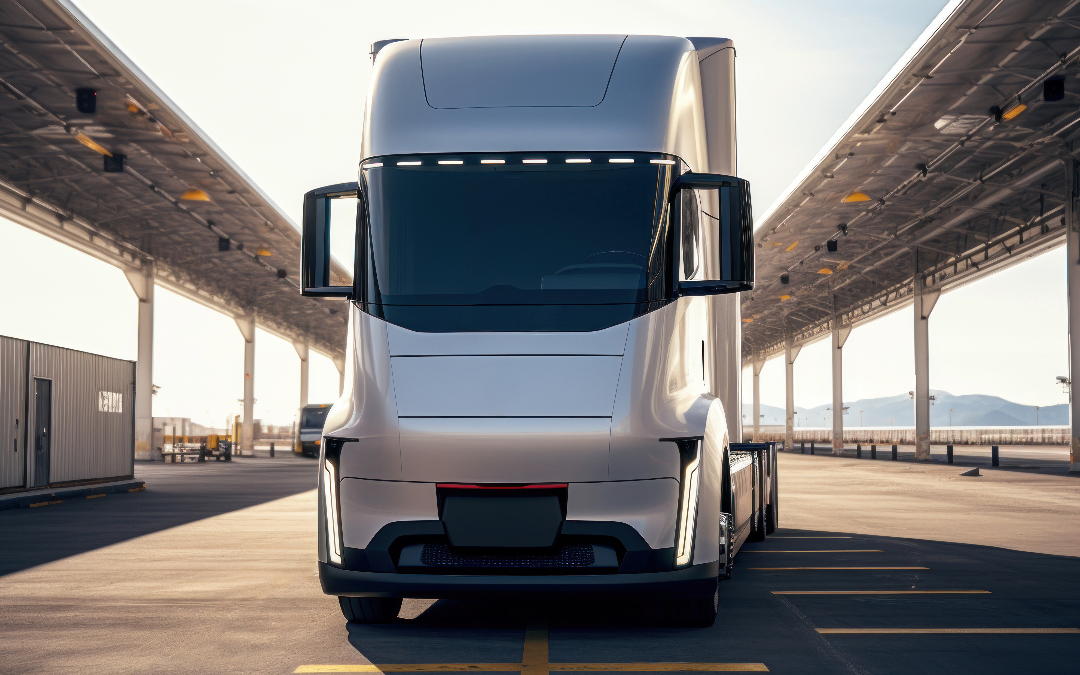
Electric Vehicles (EVs) are continuing to evolve throughout the globe and in various industries. The number of electric vehicles used worldwide has increased significantly, from 1.3 million in 2015 to an estimated 40 million in 2023. The drive for the adoption of electric vehicles is environmental concerns, government policies, and overall consumer preferences.

Fall planting season is a pivotal moment for farmers across the United States. On average, the United States has over 2.05 million farms, and the agricultural industry profits around $183 billion in revenue.
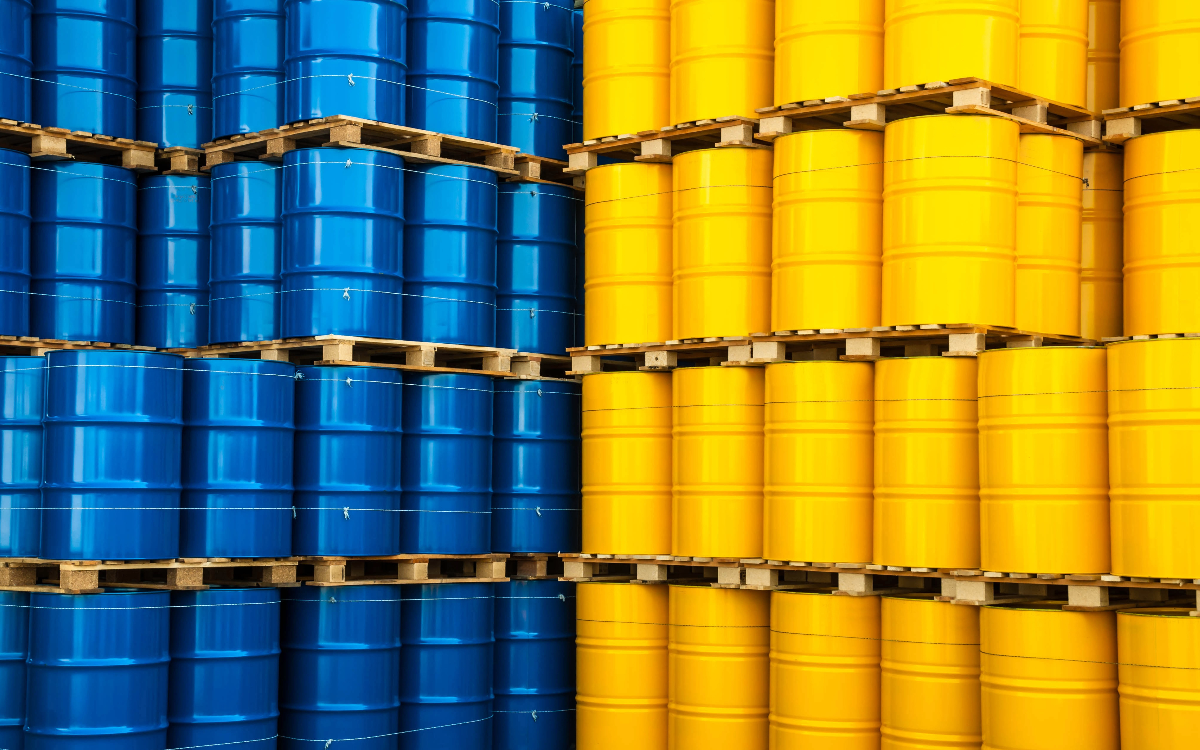
Transporting bulk hazardous oils and lubricants can be complex for businesses. The process involves meticulous planning and execution to ensure these materials’ safe and efficient movement. Key challenges that require addressing include proper storage and handling, specialized equipment requirements, compliance with regulatory standards, and mitigation of inherent risks.

Welcome to our comprehensive guide on Supply Chain Schools in Arizona, where we explore the landscape of education and training opportunities in the field of supply chain management.

Resins are an incredibly versatile class of materials with applications spanning from construction and electronics to food and beverages. Their mechanical properties and strength make them vital in various industries.

Providing products to keep homes, businesses, and communities clean and sanitary is essential, and household cleaners are a vital part of making that happen. But what individuals may not realize is the logistics of getting these products to market can be a complex and challenging process…

In the freight industry, overall success for a business relies heavily on efficient operations and constantly being prepared for consumer trends. When companies maintain a tight schedule to keep up with the peak season, having an effective process that predicts trends, customer demands, and market shifts makes a smoother system of operations from start to finish.

The history and evolution of FTL and LTL have been a vital part of the transportation industry for centuries, adapting to each industry trend. But before there was trucking, rail freight transportation was the most common way to ship items.
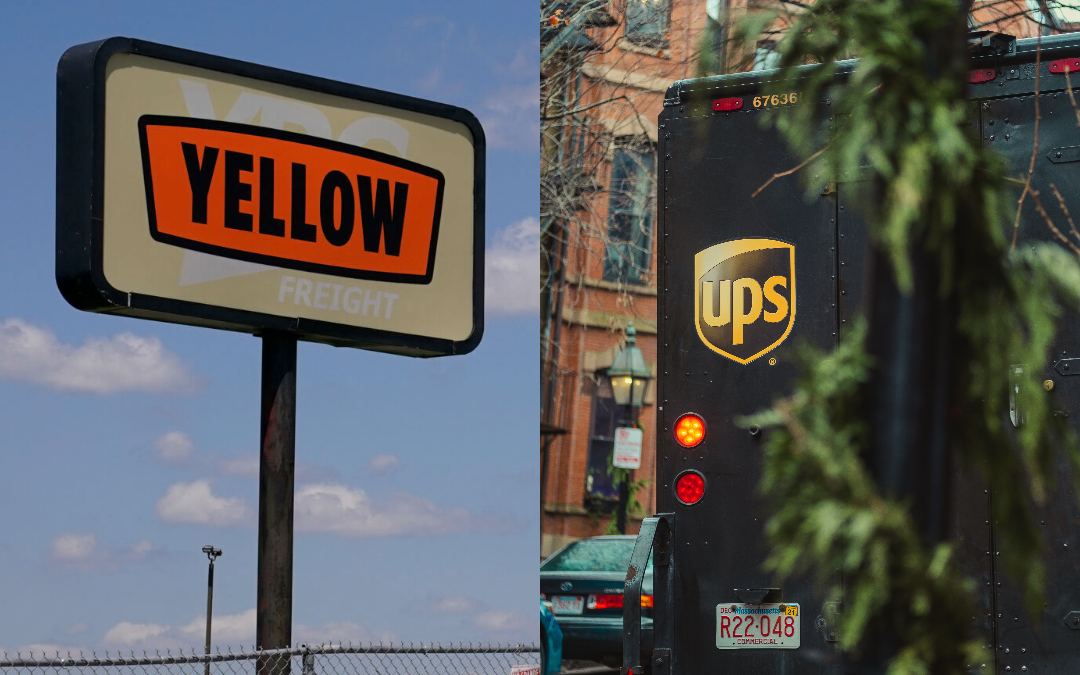
In 2023, a number of companies faced employee strikes or shutdowns due to concerns about working conditions and compensation. These events highlight the importance of addressing employee concerns in a timely and effective manner.
You’re shipping 3,500 pounds of ceramic tiles from North Carolina to Florida and need to decide which transportation mode to use. Are you going to choose LTL or FTL to ensure the freight is handled promptly, safely, and on time?

KCH Transportation holds a high standard for putting people before everything else. Our goal is to give back to the