
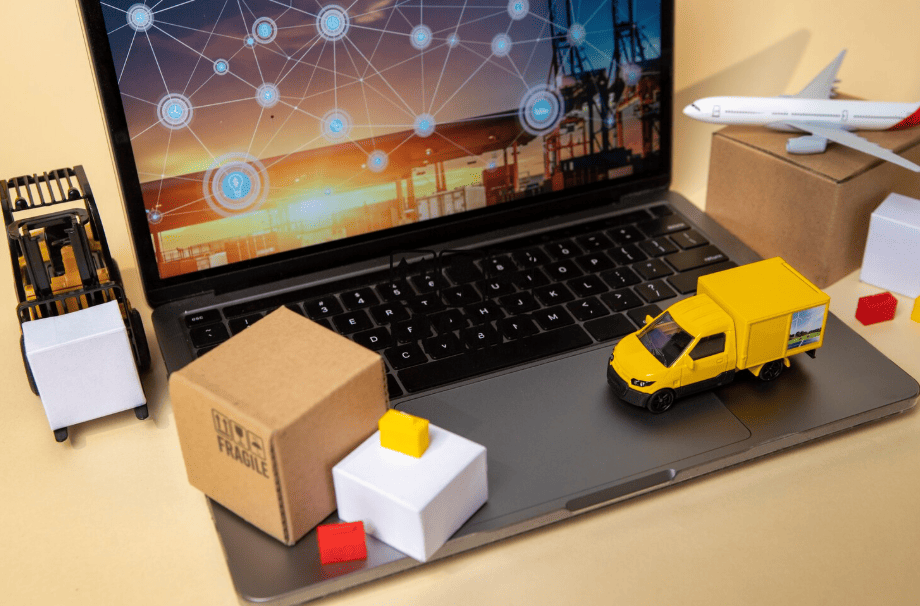
The Freight Market in 2026 has changed a lot from what it used to be. It is an active process that depends on fluctuations in demand and responds instantly to disruptions, rewarding flexibility and adaptability. In a dynamic industry, shippers who transport anything from retail cargo to wide-load shipping are operating in a market where speed, visibility, and communication are equally important.
So what is new this year? The competition is not just about the transportation of the goods but also about staying ahead of it.
What’s New in Managed Transportation?
It’s no secret that managed transportation has already become a ‘center console’ for all modern supply chain activities. No need to follow many carriers and handle exceptions and updates within several applications when shippers need a single source of sense.
Why? Because this is increasing the complexity of shipping. Modern teams use managed transportation to:
- Track freight movement without endless updates
- Avoid excessive interaction with carriers
- Control the transportation expenses before they grow
- Detect potential disruptions in a timely manner
- Align shipping decisions with actual demand
It’s more about controlling logistics rather than outsourcing it.
Dedicated Fleets are Suddenly Everywhere
Dedicated logistics is on the rise because most shippers like to plan it all. Freight rates are unpredictable, capacity becomes scarce unexpectedly, and quality of service varies at the worst possible times.
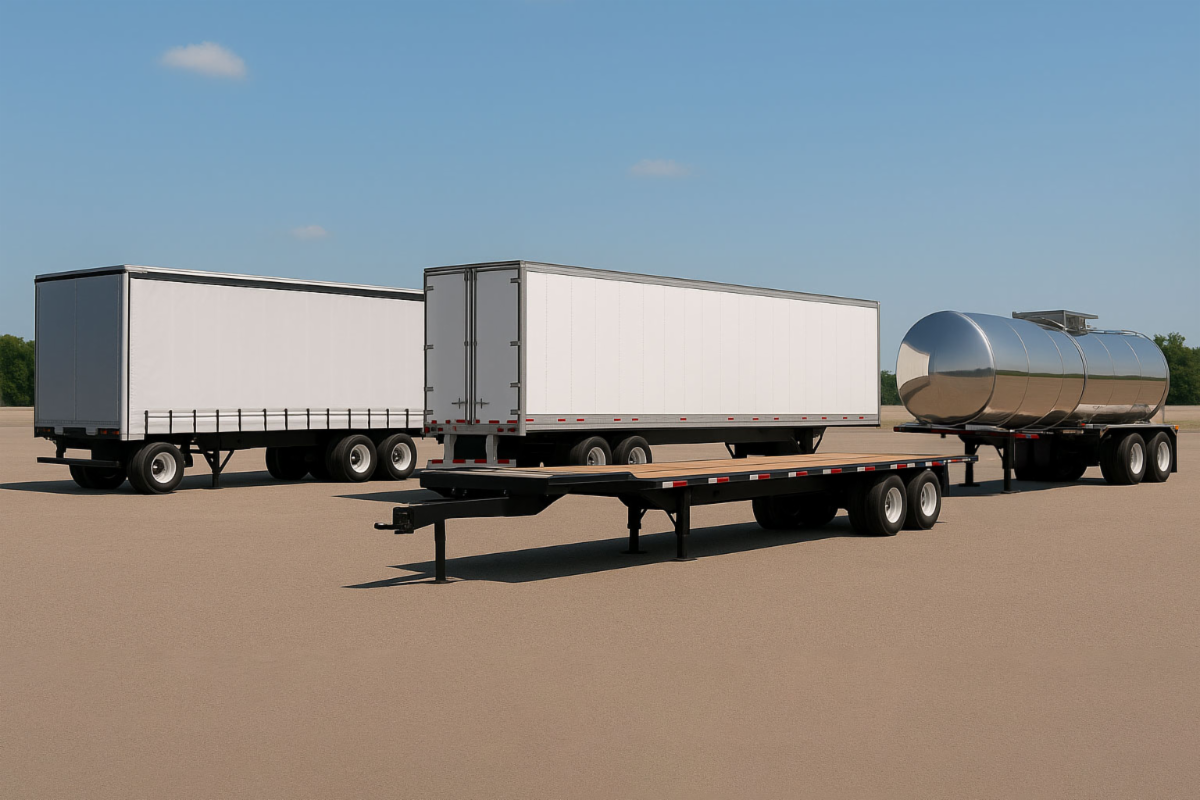
With dedicated logistics, shippers get consistency; something currently lacking in the marketplace. But why do companies adopt a dedicated logistics approach? Simply put, they seek predictability, rather than a shot in the dark. For oversized loads and specialized cargo, wide-load transport often comes integrated in dedicated logistics arrangements to avoid any guessing games during scheduling.
Truckload Shipping is Becoming More “Precision-Driven”
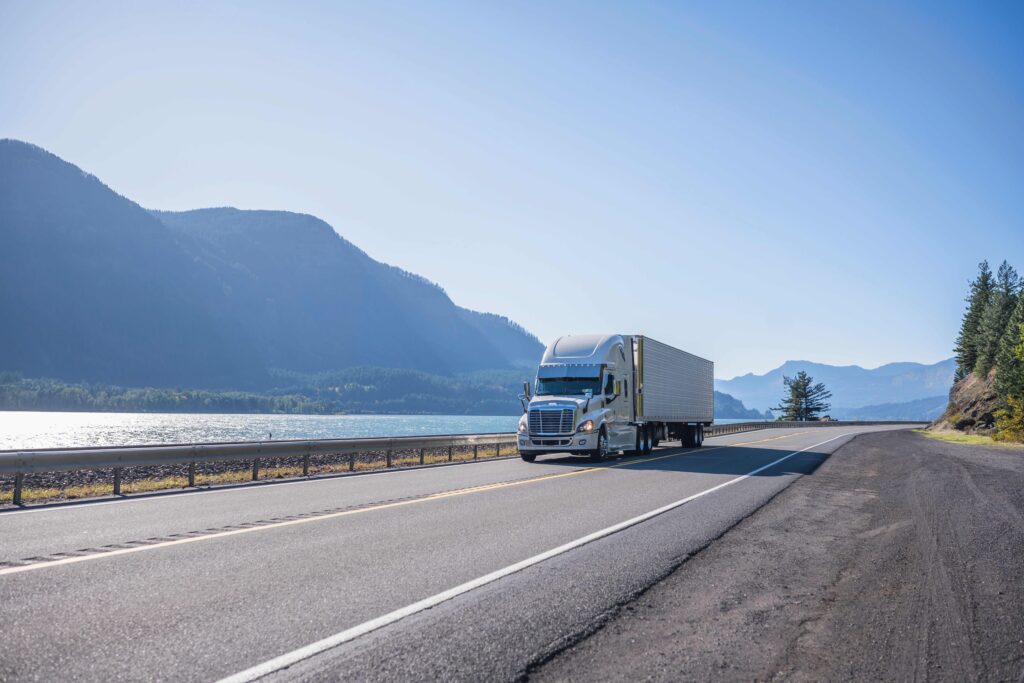
In the past, Truckload involved getting capacity right. Today, it involves leveraging capacity smartly. By 2026, the key trends have definitely moved towards controlling and speeding up rather than simply having capacity available. The key things to note here are:
- Routing optimized according to real-time data
- Decrease in empty miles and unnecessary movements
- Faster feedback loops between carriers and shippers
- Improved loading matchups using digital methods
- Increased focus on retaining drivers and maintaining their reliability
Shipments today require more than just trucks. They require certainty of deliveries without any hiccups.
Does LTL have a Place in Faster Shipments?
Absolutely—in fact, it is growing in many places. LTL shipping has become the unsung hero for businesses that require smaller and frequent shipments. Instead of filling up a truck, freight is being shipped as soon as possible. These are some of the ways LTL is becoming better:
- Efficient freight consolidation at terminal points
- Optimized route planning
- Increased visibility from pickup to delivery point
- Decreased chances of handling damage due to optimized handling
- Predictable delivery performance
It’s not flashy, but it’s extremely practical, especially for fast-moving supply chains.
Brokerage Services Become More Relationship-Driven
Brokers have evolved much more in the past few years than anyone thought possible. It is not all about capacity anymore. It is all about being able to troubleshoot in case of unexpected events. Modern brokers need to be able to develop solid relationships with carriers, act fast in case of tightening markets, ensure visibility and tracking of shipments, manage capacity issues, and help meet challenging transportation requirements.
The most successful brokers nowadays resemble an extension of the shipper’s operational team rather than just a middleman.
Conclusion
In the 2026 freight market, the success of firms will depend on how flexible, informed, and proactive they are. Currently, managed transportation, dedicated trucks, full truckload services, less-than-truckload, and freight brokering all combine to achieve superior performance from supply chains. The organizations that have smart logistics partners like KCH Transportation get more visibility, reduced stress levels, and increased reliability of their freight operations under different market environments.
If you are a business and searching for a wide load transport company, our team is here to help supply chain executives move with greater ease and simplicity through logistics support.