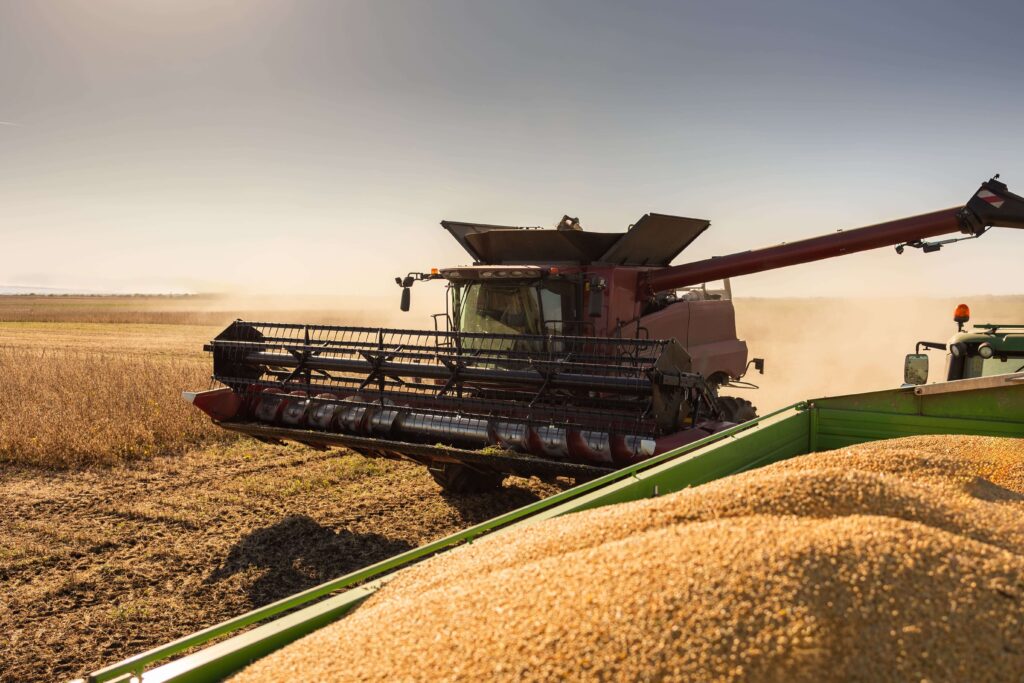
Agricultural Freight Transportation That Keeps Your Supply Chain Moving
Harvesting is seasonal and requires particular items at specific times. It can also be observed that Agricultural Freight Transportation is carried out on a very specific basis, indeed, within a trusted, well-planned system. Any delay, mistake in order handling, or incorrect routing might result in lost business or a deterioration in the quality of the goods.
Why Is Agricultural Transportation So Complex?
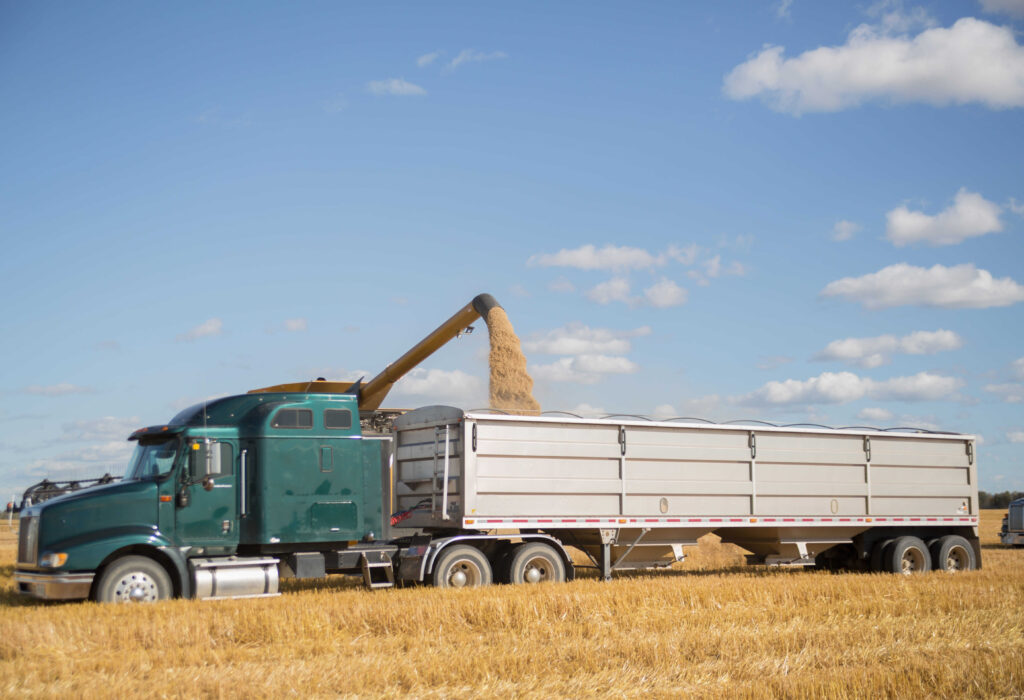
Agricultural Transportation differs from regular freight as it carries a range of products, each with its own handling requirements. Fresh produce is highly perishable cargo that can spoil if exposed to temperature fluctuations. At the same time, grains and animal feed are transported in bulk but need to be protected against contamination.
Agricultural chemicals and fertilizers require strict adherence to regulatory requirements, while forest and farm machinery is prepared and transported in special trailers equipped with all safety features.
Adding to this complexity are seasonal fluctuations and chaotic factors such as weather. A harvest cycle can easily create a sudden spike in demand. These circumstances serve as a crucial test for a logistics system that can scale quickly enough to handle the volume, or else they lead to inefficiency at every point. Therefore, these characteristics make agricultural freight the most dynamic and challenging sector in transport.
Choosing the Right Equipment for Every Load
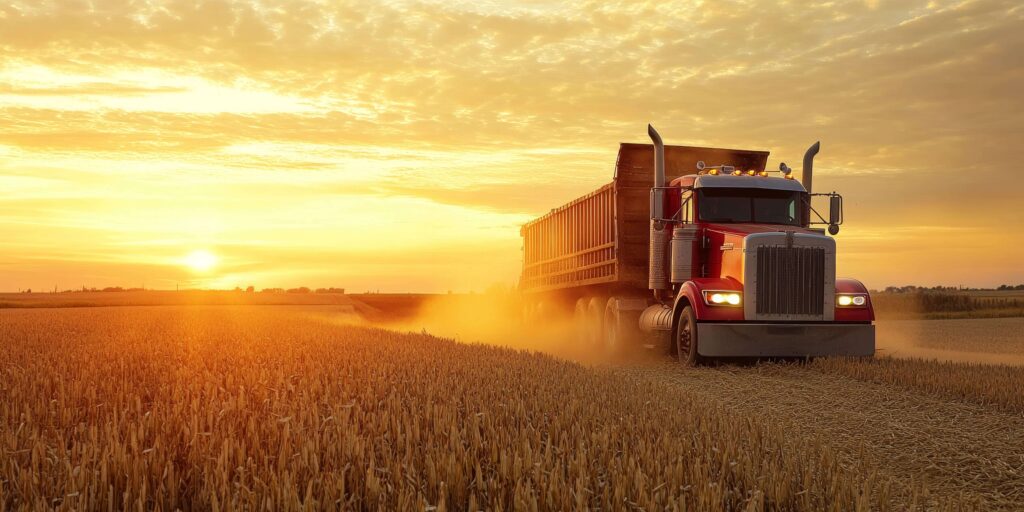
Picking the right transport mode is a critical component of effective Agriculture Freight and Logistics. Any improper use of the equipment will result in product spoilage, time waste, and additional expenses.
In the agriculture freight sector, certain truck types are utilized, for example:
- Bulk Hopper Trucks – Ideal for grains, seeds, and dry bulk commodities
- Flatbed Trailers – Perfect for transporting heavy farming equipment and oversized loads
- Reefer (Refrigerated Trucks) – Essential for perishable goods like fruits and vegetables
- Walking Floor Trailers – Efficient for loose materials such as feed or organic products
How Smart Logistics Improves Agricultural Operations
- Eliminate spoilage and wasted goods
- Maintain regular delivery schedules
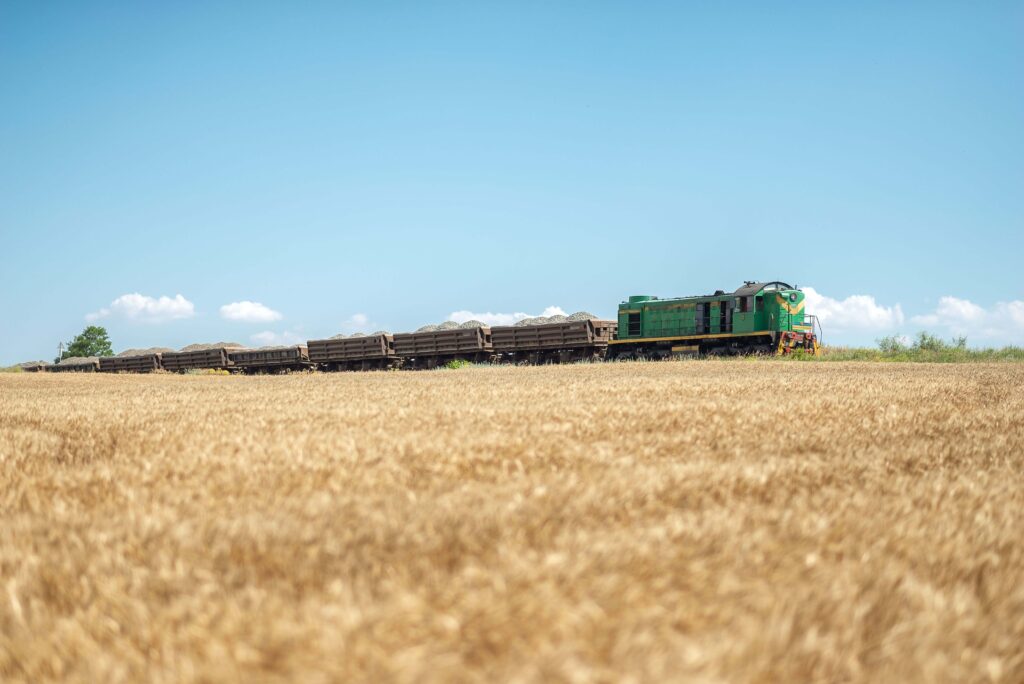
- Optimize transportation costs through better route planning
- Improve supply chain visibility and control