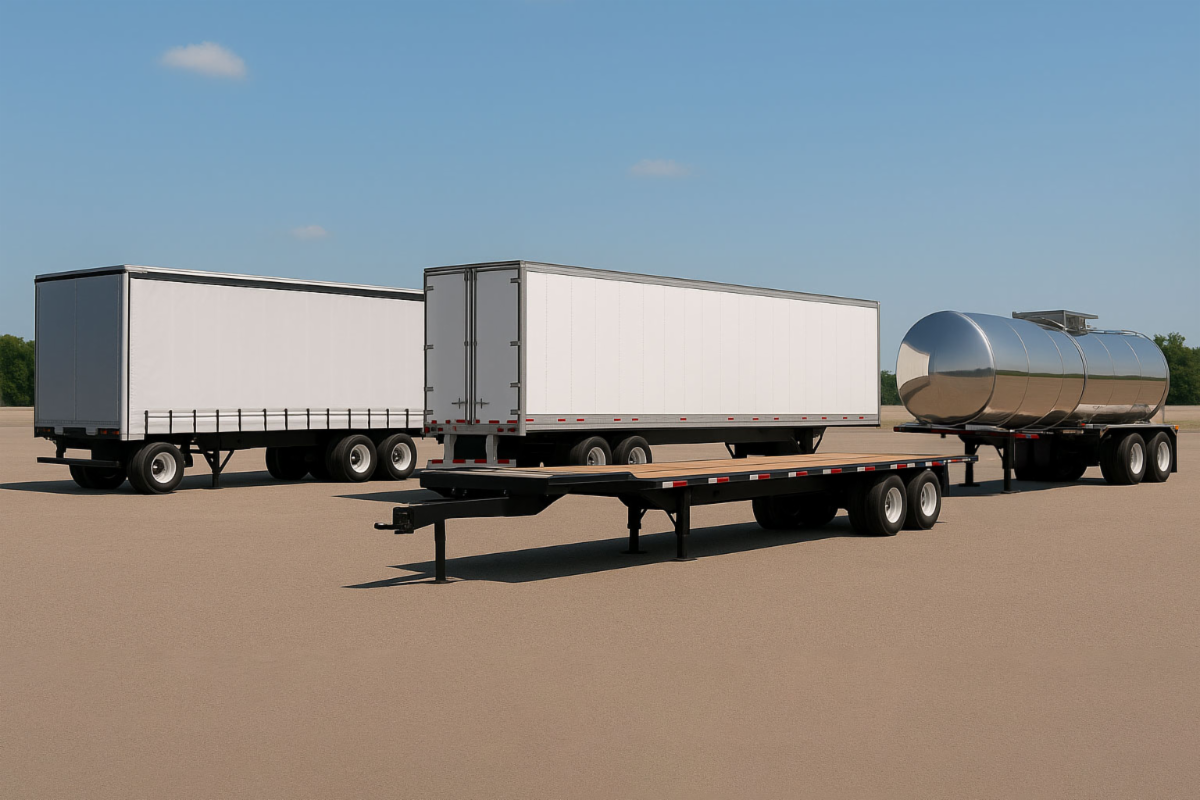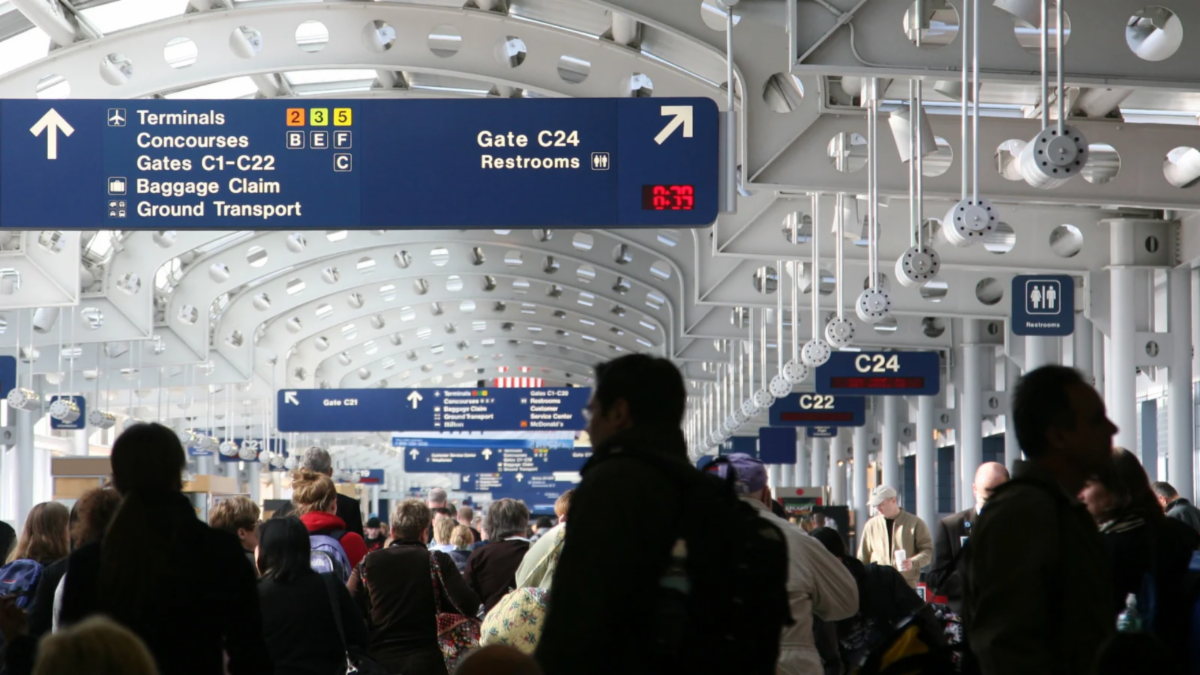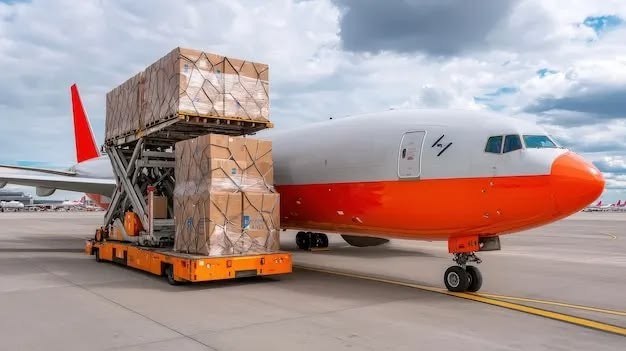


Freight movement requires multiple modes of transportation to complete long-distance deliveries. Organizations face challenges in managing their operations because they lack the necessary systems. Intermodal freight brokers are vital components of this process. The system links various transport modes into a unified system, enabling businesses to transport their goods with improved control and delivery reliability.
What Makes Intermodal Transport Operationally Efficient?
Intermodal transport uses both rail and road systems to create a more efficient shipping method. The system operates at its most efficient level when each mode of transportation is used in its optimal application.
- Rail handles long-distance movement efficiently
- Trucks manage the first and last-mile delivery
- One transport method dependency needs to decrease
The combination establishes a more stable logistics process that operates more efficiently.
How Do Brokers Simplify Multi-Mode Coordination?
Operators need to maintain coordination standards to properly handle multiple transport methods. The absence of a unified control center leads to operational delays and misunderstandings among personnel.
Brokers streamline this process by organizing schedules, routes, and handovers between different carriers. The system connects all operational stages, enabling uninterrupted delivery operations.
Reducing Operational Gaps in Freight Movement
The small gaps that occur between rail and road freight movements result in delays when they bridge their transportation connection. The delivery process requires brokers to establish effective communication channels that function throughout all stages of transportation.
- Consistent updates between transport teams
- Better alignment of pickup and delivery schedules
- Reduced waiting time during transfers
The structured method helps businesses run their processes efficiently and experience fewer operational disruptions.
Regional Coordination and Local Expertise
The combination of intermodal freight companies in Chattanooga, TN, with existing operations brings operational advantages. The local expertise enables shipment coordination with the actual infrastructure, route network, and delivery-time needs.
The system enables simplified freight management within designated zones while delivering consistent service across extended distances. The logistics system achieves improved connectivity and operational dependability through its built infrastructure.
Why Fewer Disruptions Improve Planning
Disruptions to operations need to be handled effectively to determine operational efficiency. Intermodal systems reduce unexpected delays when their operations are properly coordinated.
- Fewer handling points compared to fragmented shipping
- Better tracking across transport stages
- More predictable delivery timelines
This enables businesses to establish their plans with greater confidence and greater precision.
Conclusion: Building Efficient Freight Systems with Coordination
Efficient freight movement depends on coordination, timing, and structured planning. Businesses achieve better shipment management by linking different transportation methods into a single, comprehensive system.
KCH Transportation delivers structured logistics solutions that help businesses manage their complicated shipping processes. Their expertise helps streamline intermodal freight shipping, enabling businesses to transport products efficiently while maintaining operational stability.