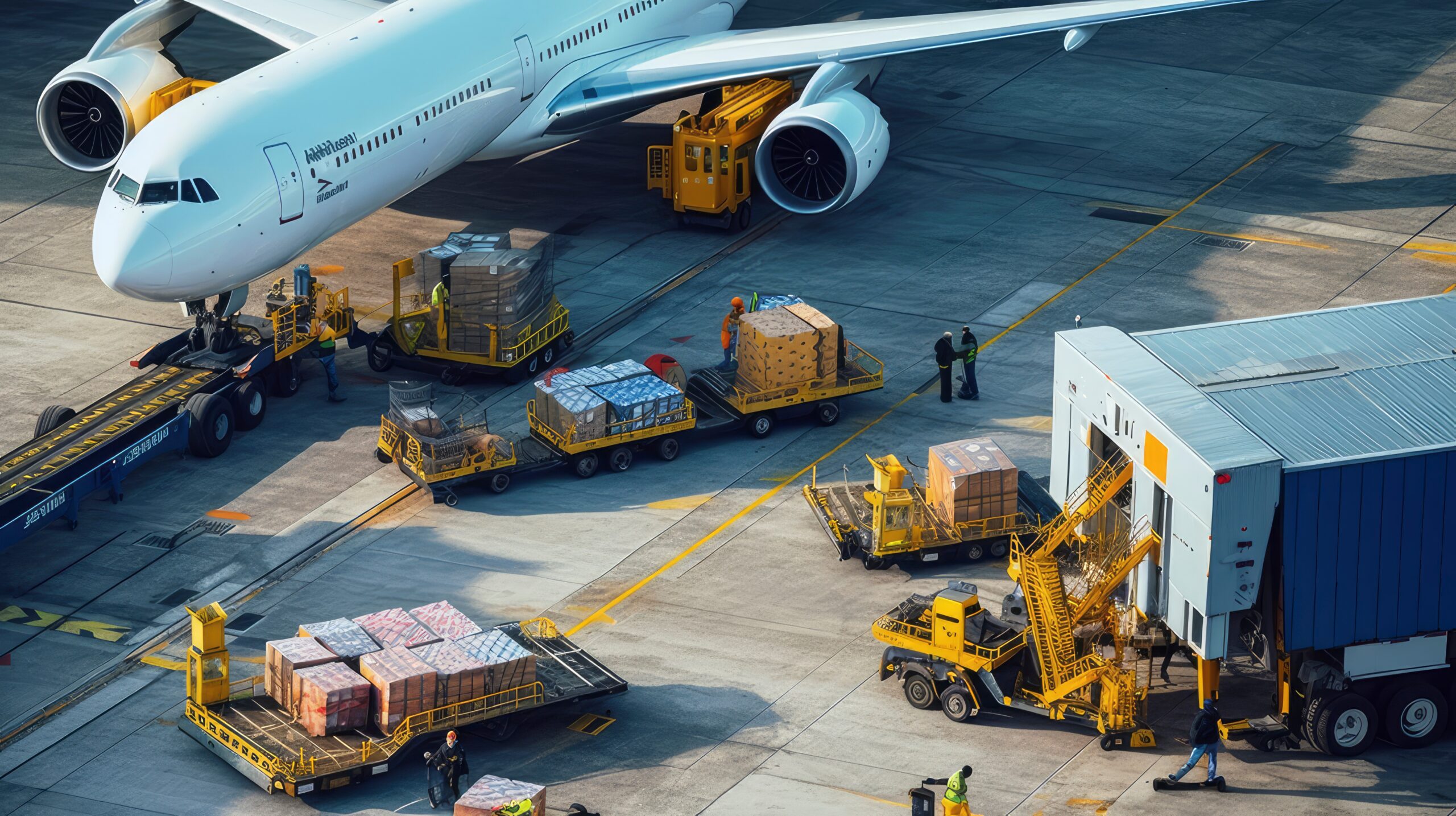
Transporting goods by air requires speed, coordination, and careful planning to keep shipments on schedule. When cargo is fast-moving, expensive, or time-sensitive, air freight services are always appreciated; unfortunately, even minor mistakes can cause disruptions or delays.
Recognizing these challenges helps organizations to handle consignments in a timely manner and meet deadlines.
Why Do Documentation Errors Cause Major Delays?
One of the most common reasons shipments are delayed is due to incomplete or incorrect documentation. Even minor errors may lead to inspections or customs hold-ups that will interfere with time-of-delivery (TOD) guarantees.
To stay prepared:
- Always proofread invoices alongside packing lists.
- Verify that the HS codes and cargo descriptions match.
- Double-check the documentation for the destination’s required specifics.
Accurate documentation ensures shipments cross borders smoothly and minimizes unexpected stops.
Managing Capacity Constraints in Peak Seasons
High-demand periods often leave aircraft with limited cargo space. There are times when there is more freight than space; the freight must be either moved to a later flight or flown on a different route.
To minimize disruption:
- Book in advance when possible
- Plan around the peaks
- Keep delivery windows flexible
Planning for demand fluctuations ensures smooth operations even during peak shipping periods.
What Happens When Customs Clearance Isn’t Prepared?
Customs procedures vary widely by destination and can delay shipments when requirements are unclear. Delays are also common when the cargo fails to comply with the state’s import regulations.
Proper preparation includes:
- Understanding the laws regarding imports in the destination country
- Close coordination with the customs brokers well beforehand
- Keeping the documentation ready for quicker verification.
Clearance normally becomes much more predictable and quicker with proper mapping and implementation in customs procedures.
Coordination Across the Shipping Chain
Air transport involves numerous links in the chain, from airport ground operations personnel to handlers, logistics agents, and trucking companies. Changes and delays due to a lack of coordination are normal during cargo transit.
This is where skilled Air Freight Carriers become vital. They remain in contact with all interested parties and ensure that every stage of the shipment is thoroughly monitored. Such levels of coordination enable businesses to respond promptly and eliminate any potential idle time.
Planning for Weather and Routing Disruptions
The weather can unexpectedly change flights on short notice, and airspace control might also mess up the schedule. There is no decision that can control these elements, but their impact can surely be lessened through prior preparation.
Critical in this preparation process are:
- Building time into the schedule for the events of contingency to take their toll
- Determining alternative routes for each shipment
- Keeping shipment updates monitored consistently
Looking ahead, proactive measures are needed to address unpredictable route or schedule changes
Conclusion: Keeping Shipments Moving Without Interruptions
Interruptions in air freight operations often result from preventable oversights. Transferring goods across regions requires thorough documentation and foolproof plans, executed with proper task management. Air Freight Companies know these facts and thus do whatever is possible to avoid such delays.
By providing highly professional planning and synchronized logistics, KCH Transportation delivers consistently and avoids interruptions to urgent deliveries, resulting in successful outcomes.
Get in touch with their team to ensure a smooth and reliable air shipment for your next delivery.