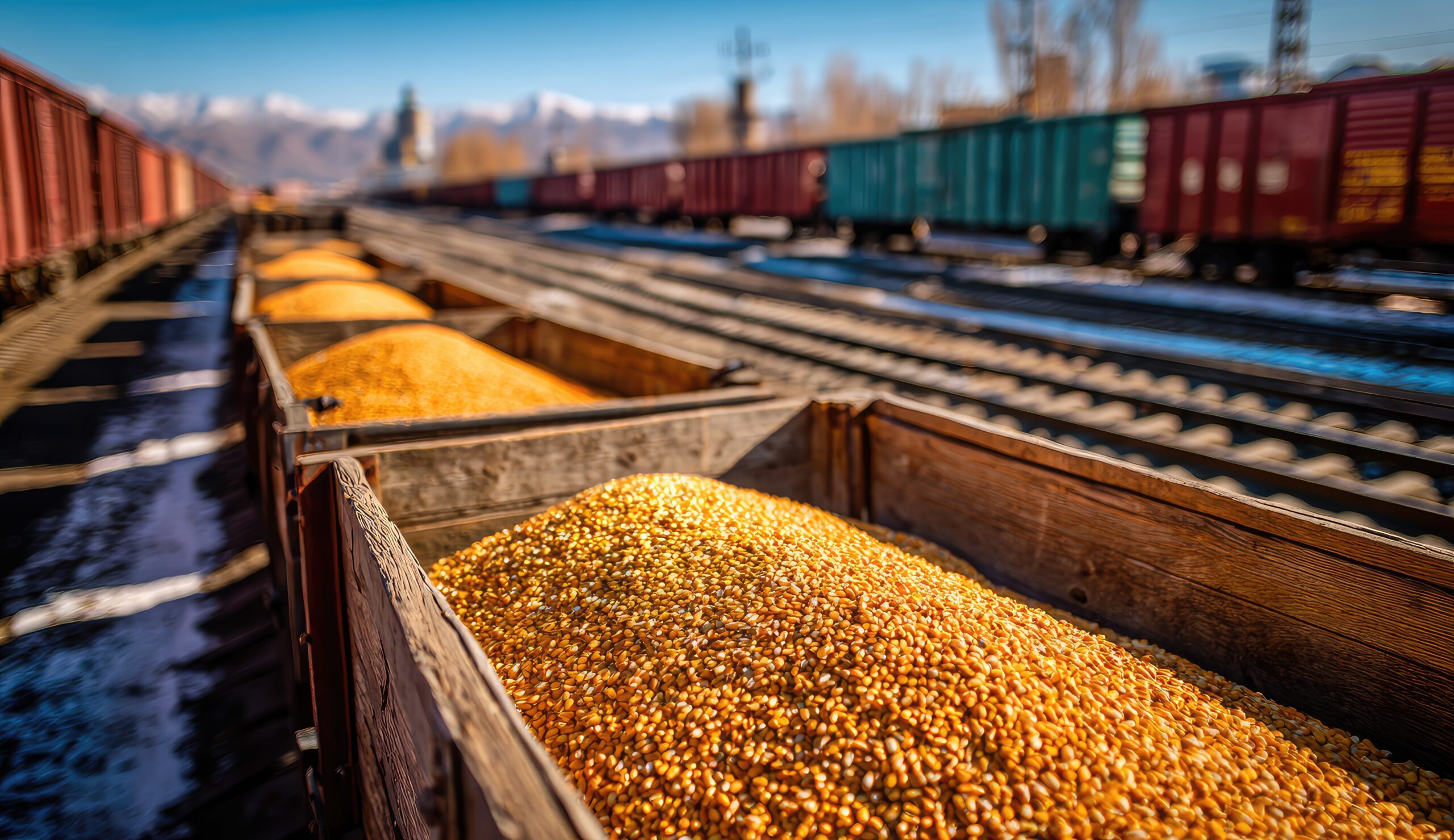
High-volume industries depend on steady, predictable freight movement. Bulk Transport Trucking supports this process by moving large quantities of raw materials, construction aggregates, agricultural commodities, and industrial supplies. The operational cycle of bulk freight transportation links production facilities, transportation networks, and delivery points, all of which operate continuously.
The complete process of bulk shipment delivery demonstrates how organized teamwork maintains operational efficiency for industrial supply networks.
From Production Site to Dispatch
The production site is where the process is initiated. The high-volume materials produced by manufacturers and suppliers will be ready for pickup at their scheduled times. The timing system is critical because production output must match the availability of transportation.
A dispatch team coordinates:
- Pickup schedules that depend on the production volume
- Equipment assignment, which depends on the cargo type
- Compliance documentation and load verification
The coordination process enables freight operations to begin without loading delays and prevents interruptions to facility work.
How Is Load Planning and Equipment Preparation Managed?
Standard trailers cannot handle bulk freight operations, which require specialized equipment. Weight distribution, secure containment, and equipment suitability must be carefully evaluated before departure.
The preparation process needs to include these three activities:
- Selecting specialized trailers for material type
- Verifying load weight limits
- Inspecting secure fastening systems
- Conducting pre-trip safety checks
The correct preparation method helps reduce the risk of equipment malfunctions while maintaining load security throughout transportation.
Route Execution and Real-Time Monitoring
Once dispatch occurs, all routing activities must focus on execution. Bulk shipments usually travel through regional corridors that connect multiple states. Implementing efficient routing systems enables businesses to reduce fuel costs while meeting delivery time requirements.
Experienced operations teams monitor:
- Traffic flow and congestion patterns
- Weather conditions
- Estimated arrival timelines
- Compliance requirements across state lines
The Bulk Shipping Company in Chattanooga, TN, provides reliable services that enhance regional operational partnerships and enable more dependable route planning. Knowledge of local infrastructure enables the team to prevent traffic congestion while maintaining continuous transportation.
What Happens During Delivery and Turnaround?
Reaching a destination requires as much strategic execution as the initial departure does. Industrial facilities must prepare their facilities for three functions: unloading, storage, and immediate production use.
The delivery process becomes efficient when these elements function together:
- Scheduled dock availability
- Quick unloading procedures
- Confirmation of shipment condition
- Fast equipment turnaround for the next cycle
The process of reducing idle time improves equipment utilization while maintaining constant supply chain operations without additional delays.
Performance Evaluation and Continuous Improvement
The shipment lifecycle does not end at delivery. Performance evaluation ensures long-term efficiency in Bulk Transportation operations. The team conducts regular assessments of transit time consistency, per-load costs, equipment utilization, and delivery accuracy.
The data analysis process enables companies to optimize their routes, adjust schedules, and improve operational performance.
The Bottom Line
High-volume industrial supply chains depend on structured movement from production site to final delivery. The system requires dispatch and preparation, transit and unloading, and evaluation to function reliably and cost-effectively.
KCH Transportation partners with industrial teams to bring greater discipline and transparency to bulk freight operations.
Connect with experts to develop a transportation system that enables continuous production, optimizes cargo transport, and ensures operational durability.