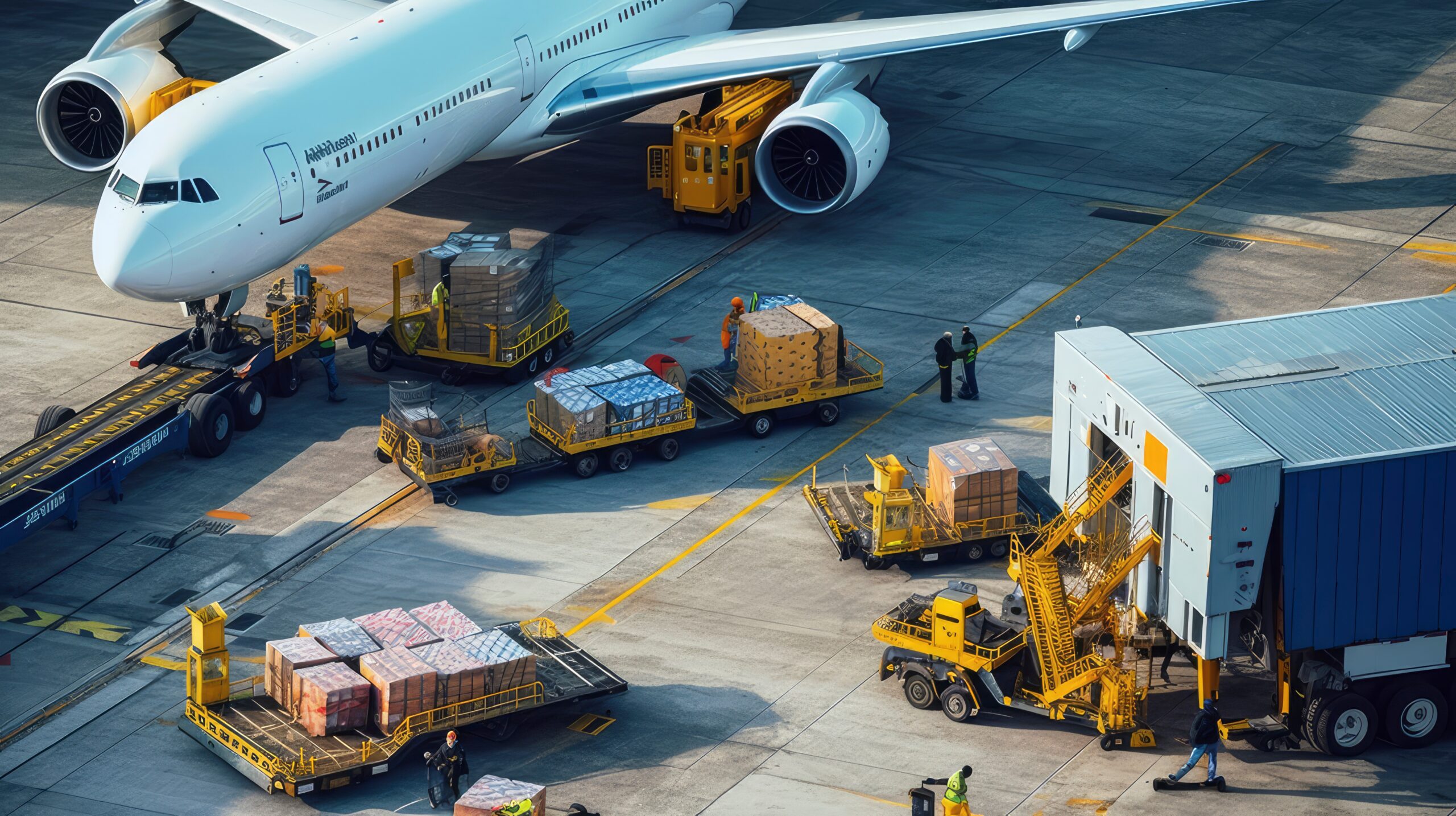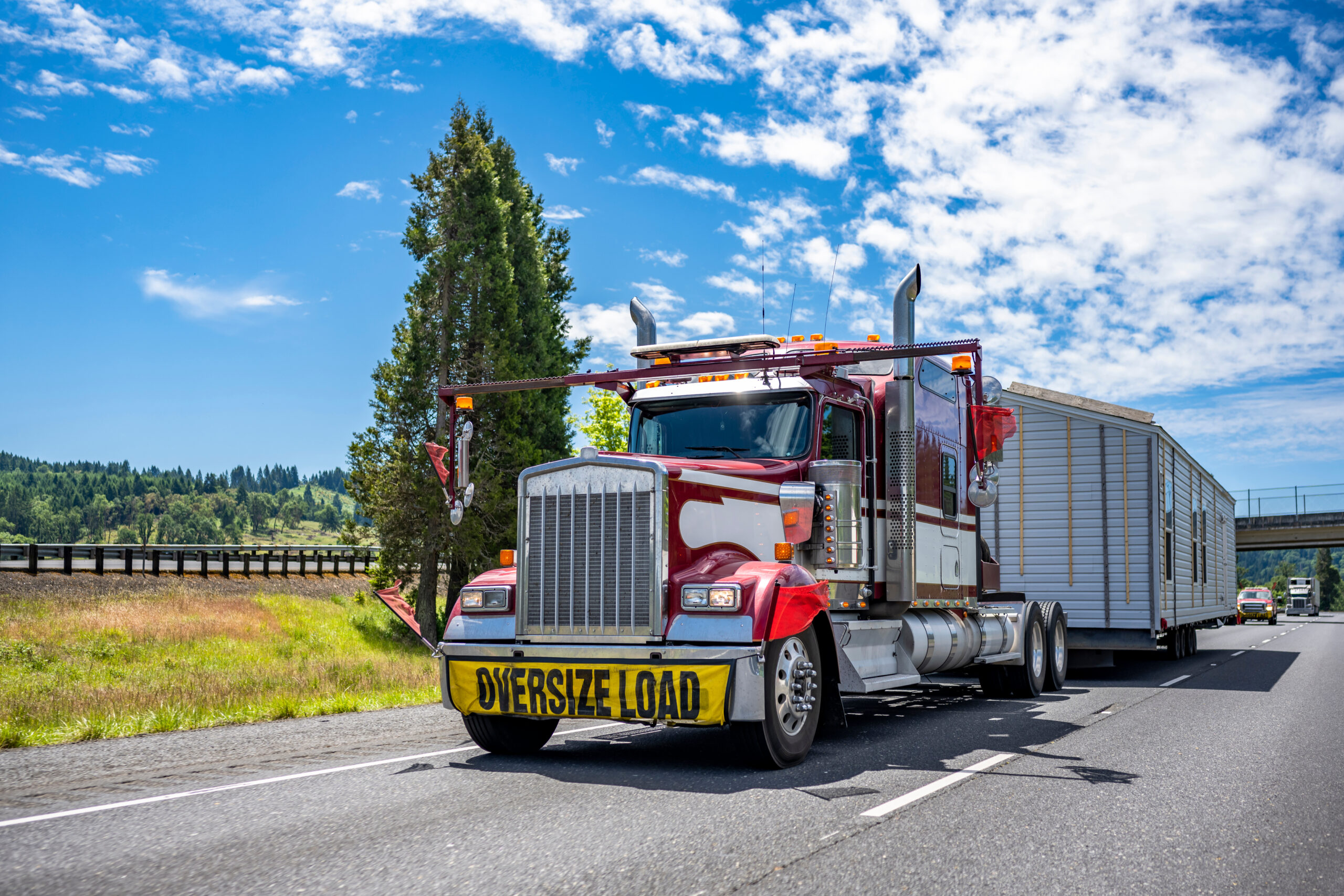
Moving oversized industrial equipment across city or state borders is a complex process. Oversize Freight Carriers transport oversize loads that exceed the acceptable limits for length, width, and height. Many arrangements are required for every mile the trucks cover. It requires extensive route planning, regulatory approvals from analysts, and the successful movement of the load without unexpected additional costs.
Straightforward routes require fewer safety measures, whereas more intricate routes do. In complex systems, it is essential to plan carefully, anticipate future developments, and consider every small change in the process.
Mapping Every Mile Before the Journey Begins
Route planning is not a matter of putting an engine in gear and stepping on the accelerator. Instead, when considering factors such as highways, bridges, tunnels, and local signage, it is essential to select a route that offers the highest level of safety and security.
Critical considerations may also include:
- Bridge weight capacities
- Height clearances and narrow turns
- Construction zones or seasonal road limits
- Traffic patterns in urban areas
By analyzing this type of info, carriers can avoid unnecessary detours and delays that may hinder on-time delivery.
Managing Transport Permits and Route Compliance
Special permits are often required to transport oversized loads through certain states or regions. The requirements differ by region, so a documentation issue could delay cargo
To prevent delays, carriers:
- Obtain multi-state permits in advance.
- Coordinate with local transportation authorities for route approvals.
- Perform all logistical operations only during the approved hours.
Adhering to permits enables the transporter to avoid legal issues and associated penalties.
Maintaining Safety Standards During Oversized Transit
Heavy or excessive loads may pose a concern, while escort vehicles and police protection are practical solutions, especially on freeways and urban streets. Their primary responsibilities include directing traffic at intersections and assisting with safe maneuvering.
Additional safety measures include displaying warning signage and lighting, along with using secure load restraints. Also, a comprehensive safety inspection should be carried out before leaving.
All these steps aim to maintain the security of these specialized goods and the community, ensuring that these heavy cargoes are carried safely along challenging transportation routes.
Managing Weight Distribution and Equipment Precision
Transporting heavy machinery requires consideration not just of its dimensions, but also of proper weight distribution. Failure to achieve this can affect braking performance, turning, and overall road safety.
Carriers rely on specialized trailers and hydraulic systems designed to:
- Evenly distribute weight across axles
- Adjust height when necessary
- Stabilize cargo during long-distance travel
Most Bulk Freight Carriers focus on transporting high-volume commodity shipments, but transporting large equipment is a different challenge that demands more engineering solutions and strategic route design.
What Happens When Unexpected Obstacles Appear?
Even with elaborate planning, one might still face unexpected challenges, such as inclement weather or temporary roadblocks. Successful carriers prepare backup strategies.
Effective contingency planning is associated with:
- Identifying alternate routes
- Keeping in touch with drivers constantly
- Monitoring real-time traffic and weather updates
Some quick decision-making could make all the difference between minimum downtime and uninterrupted operations.
Precision, Planning, and Professional Oversight
Large-scale transportation needs collaboration between drivers, engineers, logistics teams, and regulatory authorities. The process needs to follow its first step before moving to the second, because each step depends on the previous one.
With proper oversight, Oversized Freight Shipping transforms from a logistical burden into a structured operational system. The implementation process requires a complete route assessment, regulatory compliance, and the development of safety procedures.
KCH Transportation provides essential services to companies that transport oversized, complicated cargo. It provides route evaluation, permit assistance, and detailed shipment monitoring.
Reach out to the team to help you verify your planned complex oversized transport operations.