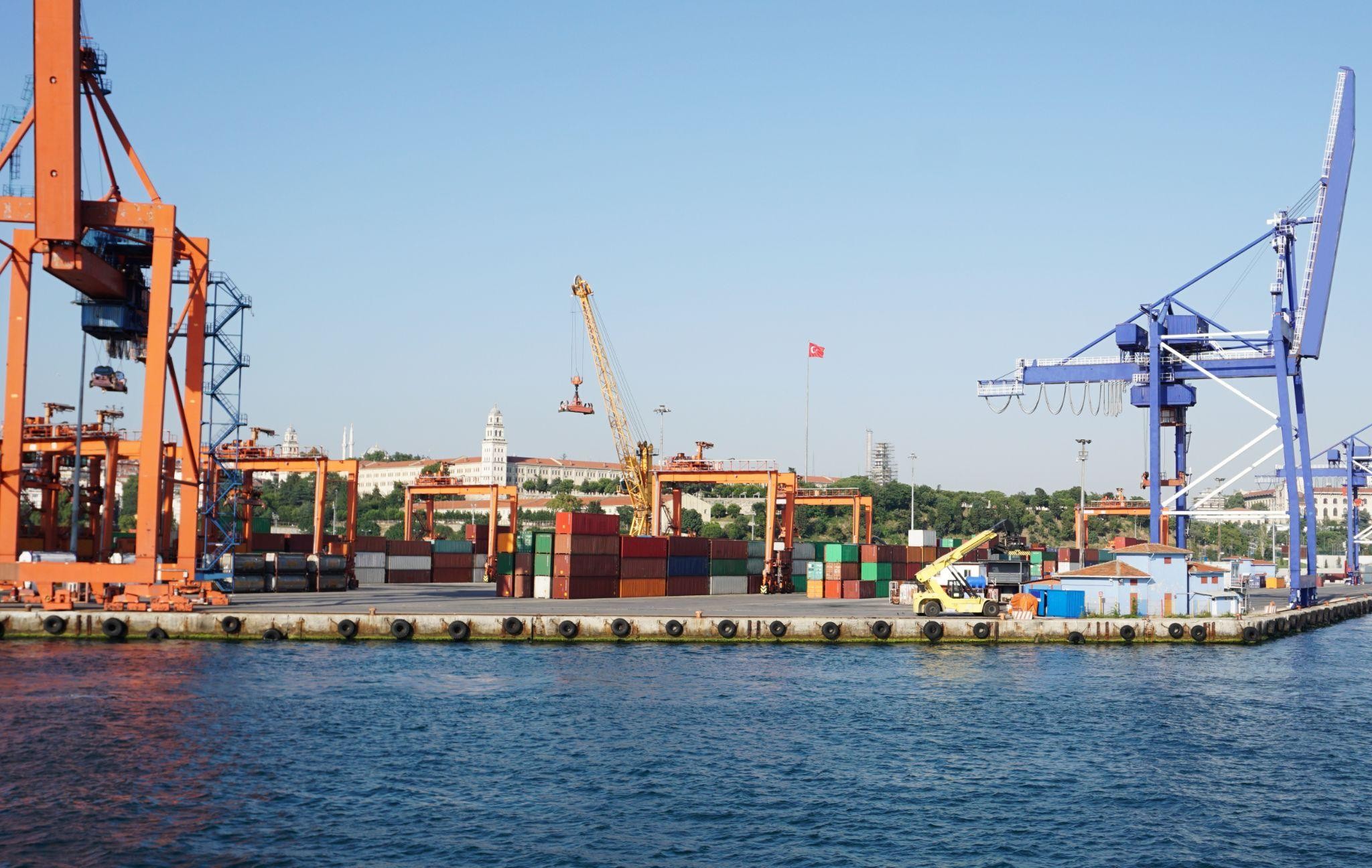
The Port of Oakland’s import/export trade trends are showing a distinct shape with continued evolution, with significant consequences for logistics strategies and bulk freight transport throughout North America.
In October 2025, the port processed 182,879 TEUs, a 2.2% increase from the previous month’s total, indicating the relative ease of handling full containers amid a changing world market.
A Drop in Empty Containers Signals Market Rebalancing
Imports rose 0.9%, whilst exports fell 0.7% year on year; however, a 24% drop in empty containers was the most pronounced change. However, this change does not suggest a decrease in demand, as it is more likely due to ocean carriers no longer having stored inventory.
For those who do depend on bulk transportation services, this change is indicative of a larger paradigm shift: carriers are streamlining their operations and avoiding pointless movement of empty assets. These changes are preemptive measures that optimize container availability in areas with real deficits.
Why Carriers Are Adjusting Their Routes
One of the significant factors that led to this trend was the U.S. port fees on China-flagged vessels, scheduled to take effect on October 14. Though President Trump put these fees on hold for 1 year under the first preliminary trade pact, the carriers had worked to reduce this issue by deploying repositioned tonnage and adjusting rotations.
Also, bulk transportation providers, in particular, are affected by the rerouting trend, as shifts in vessel traffic often alter the availability, timing, and cost of inland freight.
Growth of Canadian Ports as an Alternative
The movement of empty containers to Vancouver and Prince Rupert is the largest at West Coast gateways. The specific reason for this would be increasing carrier caution about diversifying West Coast strategies.
To users of bulk freight transport, however, this may bring new corridor routes, pricing dynamics, and possible revisions to delivery time frames. Alteration in trade patterns continually necessitates the repositioning of distribution centers, rail links, and trucking capabilities within the region.
Fewer Vessel Calls but Stable Full-Container Business
Oakland had 86 vessel calls in October, a 6.5% decrease. This aligns with ongoing network adjustments in global services. Port officials confirmed that full imports and exports remained robust despite global uncertainties.
With better logistics planning in hand, this combination—a number of ships with constant full-container activity—points to a market more efficiently organized to advantage bulk transportation services, with reduced congestion and enhanced predictability.
Closing Lines
The evolving dynamics at the Port of Oakland stress the fast-paced, fearless, and efficiency-oriented logistics landscape. As such, it calls for strategic planning for businesses anticipating eventual downsizing in importing/exporting or in hauling unusual freight across shifting borders.
KCH Transportation provides guidance and highly flexible freight strategies to help companies build resilience amid shifting market dynamics. Join us today to optimize supply chains with perpetually flexible, practically pioneering logistics solutions.