
It is very important for companies that regularly transport goods outside their area of operation to choose the most reliable freight method. Domestic and regional freight shipping terminologies may look similar, but they serve different purposes.
Analyzing their differences can help companies improve their delivery performance and cost management and better position themselves for future growth.
What Is Domestic Freight Shipping?
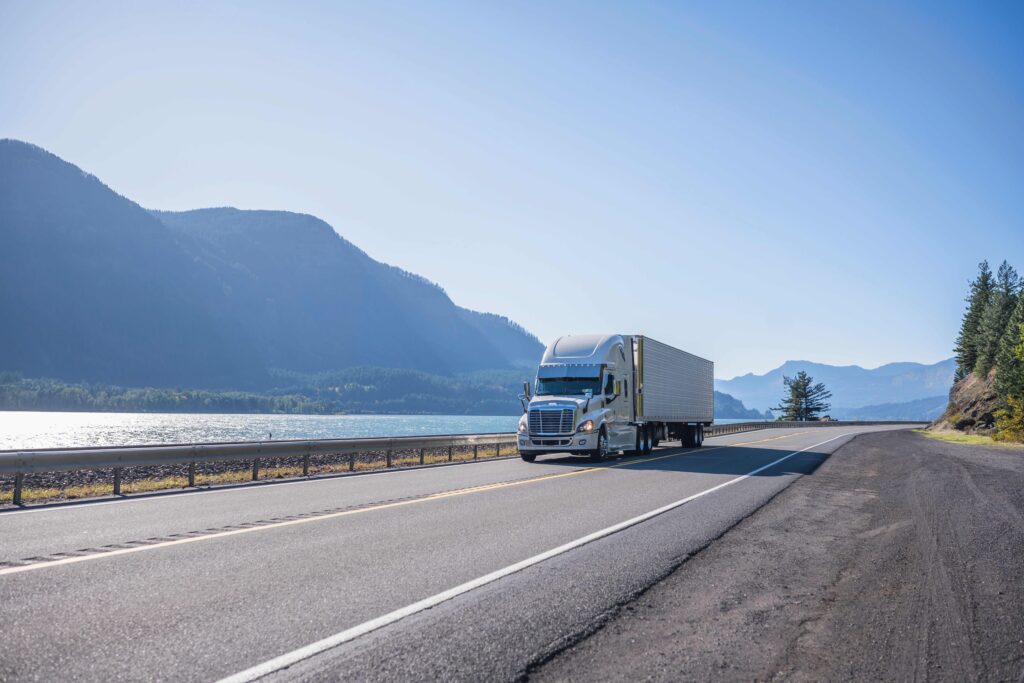
Domestic freight shipping is how goods are moved all over the country, crossing long distances and often many regions. This kind of transportation supports nationwide distribution networks, making it highly preferable for businesses shipping goods coast to coast or serving customers across several states. These types of shipments involve complex routing, longer transit times, and a much greater need for coordination.
Understanding Regional Shipping
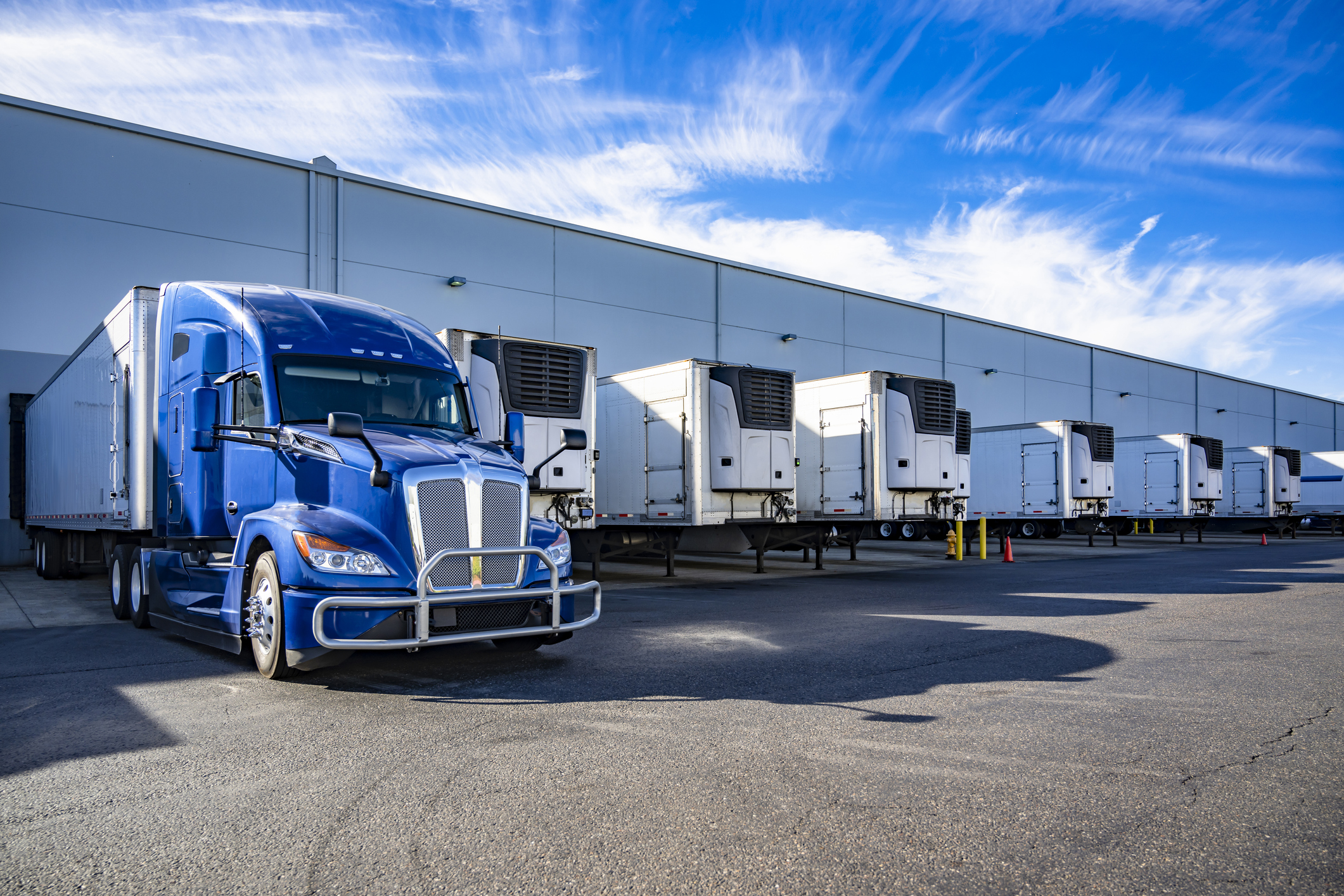
Regional shipping, on the other hand, entails cargo transportation within a certain territory of the country, such as several adjacent states or within some particular economic region.
Domestic freight carriers usually serve both regional and national routes, but regional shipping is faster and more manageable as there is less distance and fewer handovers. This strategy makes sense for companies serving customers primarily in a single region or maintaining warehouses there.
Transit Time and Cost Considerations
The primary differences are transit times and costs. Given that regional shipping over short distances is usually the fastest and has lower per-shipment costs, national domestic freight shipping is the scale that can compensate while incurring higher costs. The right option depends on customer expectations, cargo volume, and delivery time.
Business Use Cases and Applications
Businesses with several distribution centers or retail outlets across the country are more likely to use domestic freight carriers for the smooth transfer of inventories to various locations. Conversely, factory owners and wholesale distributors serving local counties likely appreciate fast, easy local shipping, especially when replacement cycles are short.
Flexibility and Operational Scale
When it comes to flexibility, domestic freight services offer broader options for routing, scheduling, and load consolidation. This makes them a strong fit for businesses going through growth or fluctuating demand. Regional shipping can be less flexible but more efficient for stable, predictable lanes where speed matters the most.
Choosing the Right Freight Strategy
Choosing between local and regional freight largely depends on supply chain preferences. The frequency of shipments, delivery windows, and potential expansion plans should guide the final decision. Companies wishing to grow beyond local markets often start regionally and then transfer to domestic models when demand picks up.
Closing Lines
Modern logistics necessitate the use of both domestic and regional shipping. The key to success lies in creating a freight strategy that aligns with the organization’s operational practices and meets customer expectations.
For enterprises that require consistent solutions at the regional or national level, KCH Transportation provides a flexible, reliable, and efficient range of freight services to support long-term growth and maintain consistent service delivery. We will help you shape your shipping strategy to meet your current needs.