

Transport, which entails wide load transport beyond normal, requires undertakings of a logistical and operational nature. The roads, bridges, and highways need to be properly assessed, with particular attention to the infrastructure, which may not be strong enough to support the passage of oversized loads. Bridges with weight or height restrictions, roads that are too narrow or have many bends, scarce favorable highways, and differences in traffic patterns in a region are a few examples that affect mobility.
To ensure safe transportation, it is necessary to plan every route to address all potential issues.
Permits and Regulations Vary by Location
Each area has specific guidelines for transporting oversized loads. These permits are needed to ensure safety, but guidelines will not always be the same.
These can include things like:
- Travel time limitations
- Specific documents needed
- Escort vehicle requirements
Failure to handle this efficiently can cause delays.
How Do Weather and Environmental Conditions Affect Transport?
Delivery timelines and safety are significantly affected by inclement weather.
Factors that are leading to this situation include:
- Heavy rains, low visibility, and reduced grip on roads
- Road transport is not able to work in certain conditions
- Winds affecting the stability of loads
- Regions that have seasonal restrictions
- Waterside temperature changes affect performance
Drivers must always be prepared in such conditions and learn the art of flexibility in scheduling.
Constraints on Infrastructure and Surprise Challenges
The infrastructure differs from one place to another. While some areas have good transportation infrastructure, others face challenges such as low bridges or restricted entry points.
These constraints can actually create quite a bit of annoyance or obstruction if outside disturbance crops up while en route. Even though a proper schedule can reduce the extent of the problem, flexibility still serves as the key.
What Makes Coordination Across Multiple Regions Difficult?
Transporting large loads requires significant coordination among multiple entities.
Some of the challenges include the following:
- Coordinating the schedules among jurisdictions
- Communicating effectively with the local authorities
- Moving the escort vehicles to new places among jurisdictions
- Compliance at all checkpoints
Coordination would involve proper communication and planning.
Efficiency and Safety Considerations in Shared Systems
Due to their size, wide loads use up all the space on one side of the lane and disrupt traffic. This calls for some coordination to enhance people’s safety, as well as the timely delivery of perishable products.
It is particularly true for wide load shipping, where it is critical to manage the timing of the transport, routing, and traffic control to avoid unnecessary delays. It is taking efficient and effective measures to address issues related to safety and time constraints.
Equipment and Load Handling Problems
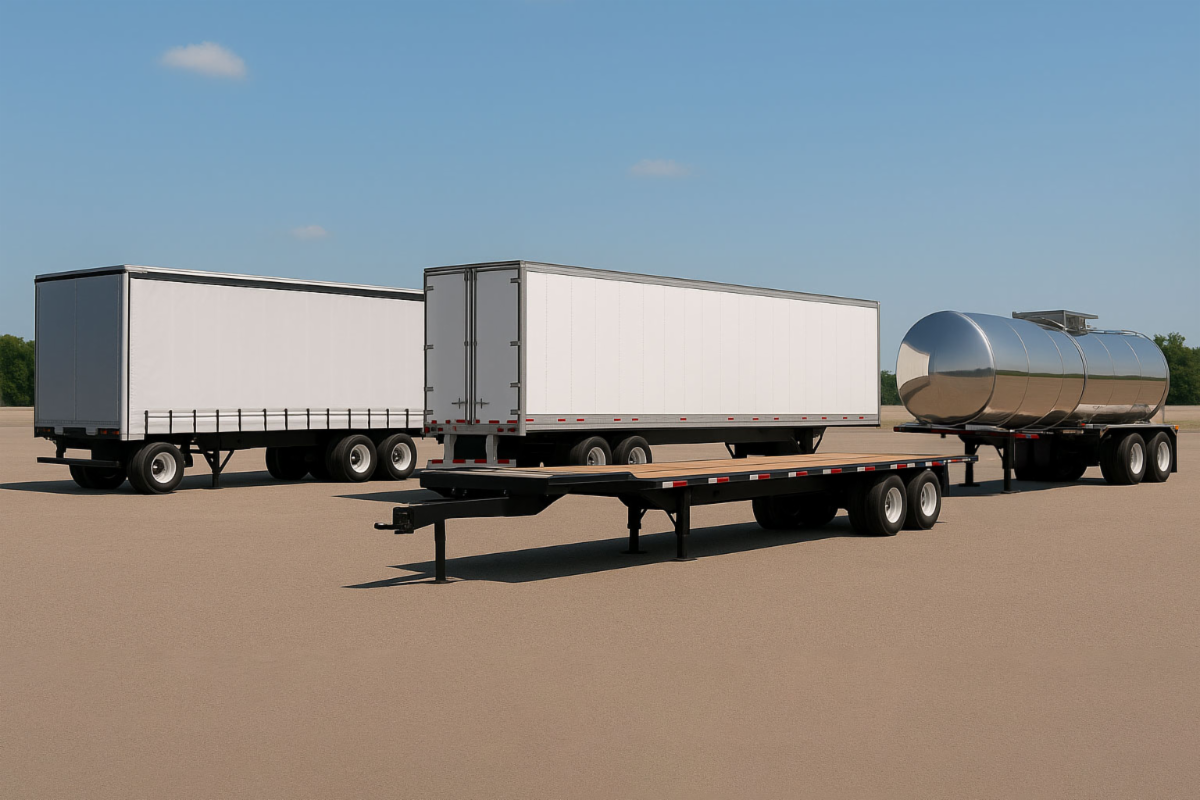
When moving large objects, specialized transportation equipment must be used based on the object’s size and weight. Neglecting special equipment will result in problems with balancing or scheduling.
It is important to have information about trailer construction, axles, and load safety.
Navigating Complexity with Structured Planning
Efficiently moving shipments across regions requires close attention to every challenge, from route formalities to regulatory compliance and safety coordination.
Some businesses that handle oversized heavy haul trucking equipment generally adopt defined procedures to address anticipated challenges and achieve the required delivery rates.
KCH Transportation helps by arranging routes, managing compliance issues, and efficiently moving shipments across regions.
When preparing for a tough freight relocation, their team may provide guidance to clarify the strategy by outlining the steps involved.