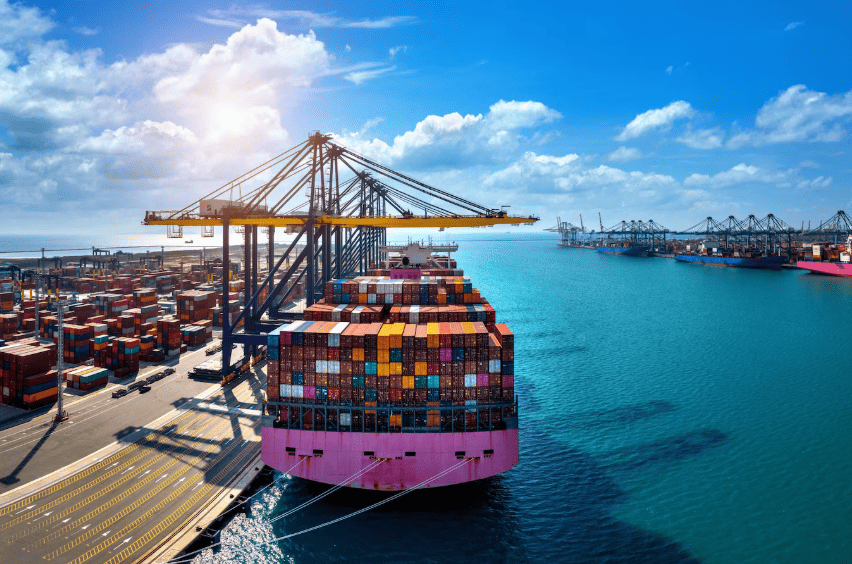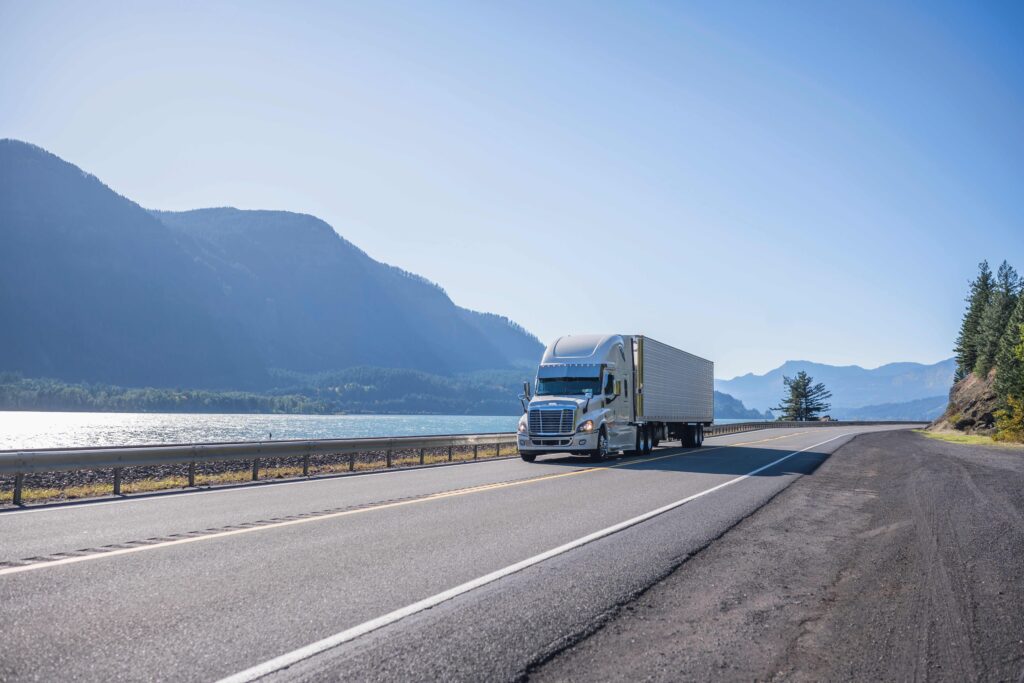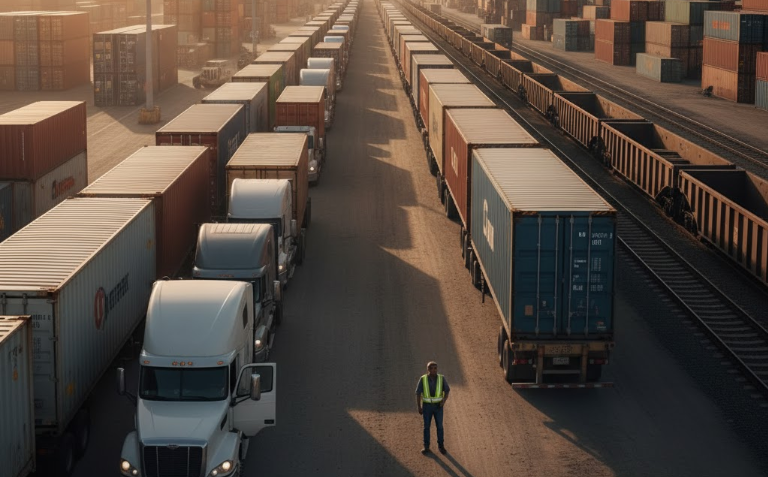
Supply chains are like a chain: if a problem occurs in one area, the entire process is affected. This issue is quite significant today, with disputes at major ports and railroads across the United States, affecting truckers more than usual.
Intermodal terminals and railheads might get a bit of a break due to lower import volumes. However, the combination of regulations and increasing rates continues to squeeze the already overburdened trucking services responsible for port container handling—known as drayage trucking services—and the overall execution of freight management.
Declining Import Volumes and Accessorial Pressures
The ITS Logistics US Port/Rail Ramp Freight Index points to a future of reduced imports.
Shipping lines are aggressively implementing accessory charges to ensure breakeven, as their revenue per container is falling, covering fees for detention, demurrage, customs inspections, chassis provision, storage, and other charges not part of standard pickup, transport, and delivery.
The constraints mentioned above emphasize the need to optimize intermodal shipping services. Carriers and shippers are obliged to handle paperwork, resolve disputes, and adhere to operational policies on a daily basis. If they do not, there is a risk of penalties and additional costs, which will greatly affect overall efficiency and profit.
Regulatory Challenges for Truckers
Federal and State regulations aimed at non-domestic drivers and English-language requirements for commercial driver’s licenses have become effective this month, worsening the situation. Many small- and medium-sized carriers have been driven out of business, leading to a decrease in trucking capacity.
The ones hit hardest are the drayage services, which are the backbone of the ports. Reduced capacity means more competition for shipments; hence, operational stress and financial risk for the remaining carriers are increased.
Impacts on Intermodal Transportation Services
Port and rail volumes remain relatively steady, but upstream supply chain disruptions have also affected intermodal transportation services. The exit of economically feasible capacity from the market is causing temporary and uncertain futures in the form of bottlenecks.
Carriers are re-routing, re-sourcing, and re-operating themselves to keep the quality of service up, while shippers are made to audit their supply chains to eliminate inefficiencies before being charged for accessories.
Preparing for the Future
In a situation of declining imports, stricter regulations, and rising prices, truckers and logistics firms need to stay alert. Businesses ought to check their financial status, monitor available capacity, and stay in line with changing legislation.
The talks on contracts in late 2025 and early 2026 will probably be tough, since shippers will be scrutinizing carriers’ stability and reliability.
Key Takeaways
Truckers have had a hard time due to disruptions at ports and railroads, with both drayage and intermodal services affected. Planning, operational efficiency, and regulatory compliance are the major factors that can help in overcoming these issues.
KCH Transportation provides a complete range of intermodal and drayage trucking services, ensuring your supply chain runs smoothly, even during disruptions. We are a perfect choice for companies seeking a reliable, efficient freight management system.