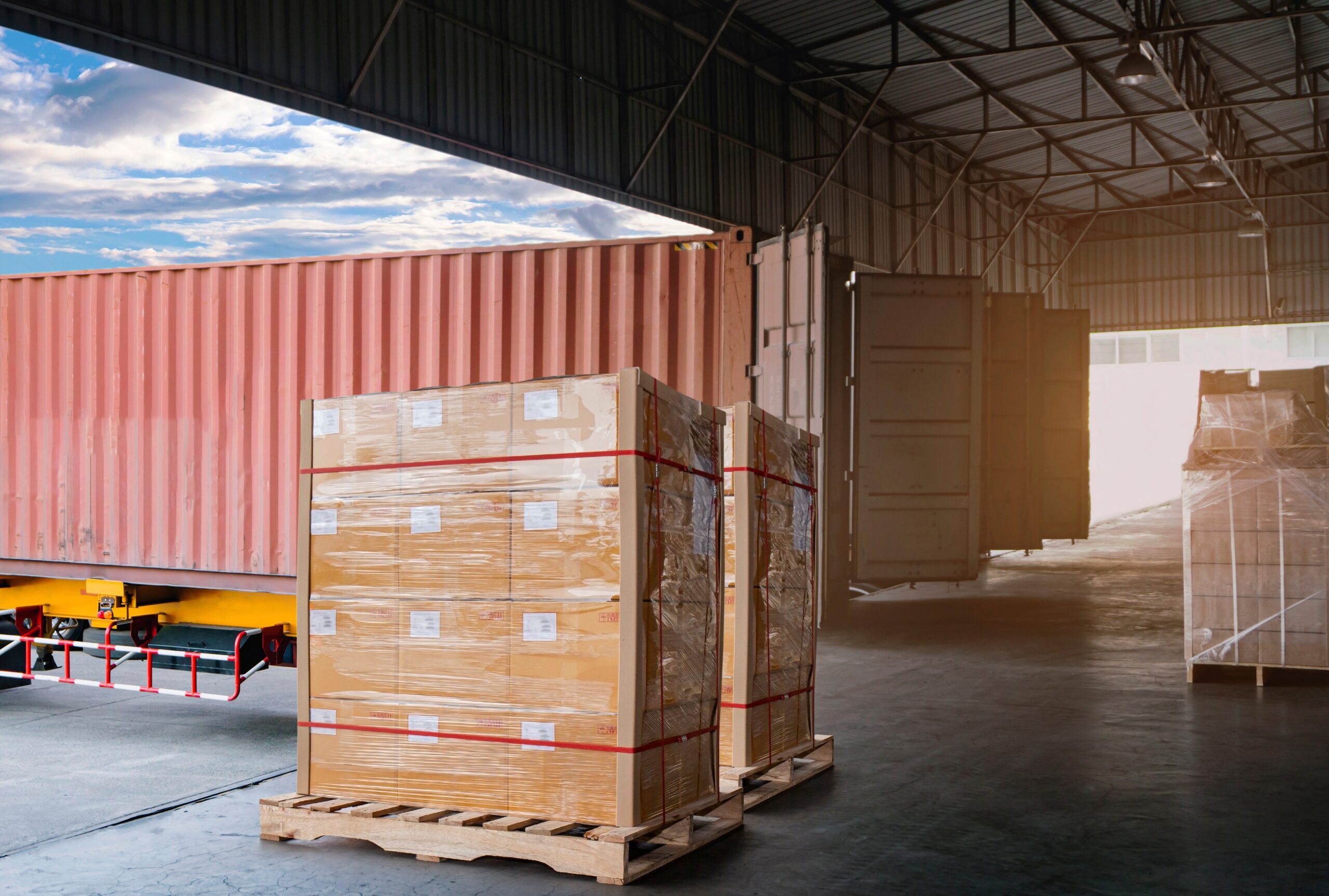
A freight quote can look very simple and easy. There is just one number, one transit time and one delivery promise. What could go wrong, anyway? And then the shipment starts moving. Suddenly, the price has exceptions, the delivery window has caveats, and someone is explaining why a charge was not included in the original quote. With intermodal transportation, that risk deserves extra attention because your freight may pass through several hands before it reaches the final destination.
A good quote should make the shipment easier to understand, not harder. Let’s look at the top five red flags you should be aware of before signing a deal.
1. Is The Price Too Neat?
A single attractive number can hide a lot of detail. Intermodal moves often include rail, drayage, terminals, equipment, fuel, and final delivery. If the quote bundles everything together without explaining what the price actually covers, you can’t compare it with others.
Look for a clear breakdown of:
- Pickup and delivery
- Rail transportation
- Terminal-related charges
- Fuel costs
- Equipment
- Potential accessorials
You don’t want a quote filled with just fine print, but you need one that has no surprises in the future.
2. Does the Transit Time Tell the Whole Story?
“Three-day transit” sounds useful until you ask: three days from where to where? The clock may cover only the main transportation leg. Pickup, terminal handling, transfers, and final delivery can add time to it.
Ask for the exact end-to-end timeline, including the handoffs. If your provider can explain clearly when the freight leaves, where it goes, and when it should reach the receiver, your delivery promise deserves another look.
3. Is the Truck Portion Being Overlooked?
Rail may handle the long haul, but trucks often handle the connections that make the shipment possible. And that is why intermodal trucking is more important than its mileage suggests. A missed pickup can disrupt the rail schedule. A delayed container can affect the delivery appointment. Equipment problems can create another layer of cost.
Before accepting a quote, find out:
- Who handles pickup and final delivery?
- Who arranges terminal appointments?
- What equipment is included?
- Who manages delays?
- How will schedule changes be communicated?
A smooth rail move can still become a poor shipment if the connections are not managed properly.
4. Who Owns the Problem When Something Goes Wrong?
This question rarely appears on a rate sheet. It should. When there are so many transportation stages, responsibility can become quite blurry. The rail provider points to the drayage carrier. The drayage carrier points to the terminal. Meanwhile, the shipper is left making calls.
A stronger quote makes accountability clear from the beginning. You should be aware of who is coordinating the shipment, who provides updates, and who actually steps in when there are changes in the original plan. Good logistics should reduce your workload, not hand you a phone directory.
5. What Happens When the Original Plan Changes?
Every shipment has a plan. Not every shipment gets to follow it. A rail connection can change. A terminal can become congested. A delivery appointment can move. Equipment can become unavailable.
The problem is not that there are disruptions; that can happen to anyone. The problem is that there is no one answering clearly about what is supposed to happen next.
Before booking, ask:
- Who handles the problem?
- How quickly will you be informed?
- Who arranges the next move?
- Can the delivery plan be adjusted?
- Will additional costs be explained before they are incurred?
The intermodal logistics companies in Chattanooga, TN, that can answer these questions give you something valuable: fewer unknowns. And it is much more valuable than you think.
A Quote Should Answer Questions, Not Create Them
The best intermodal quote does not try to win you with one low and impressive number. It shows and explains what you are actually paying for, what the shipment looks like from pickup to delivery, and where your additional costs could arise. That clarity matters because transportation decisions do not end when the rate is accepted.
Our team at KCH Transportation knows that there are tons of factors to consider before agreeing on a price. For that reason, we always make sure that our clients are fully aware of what they are paying for. Before choosing a quote, look past the headline price. A few extra minutes of scrutiny can protect far more than the freight budget.