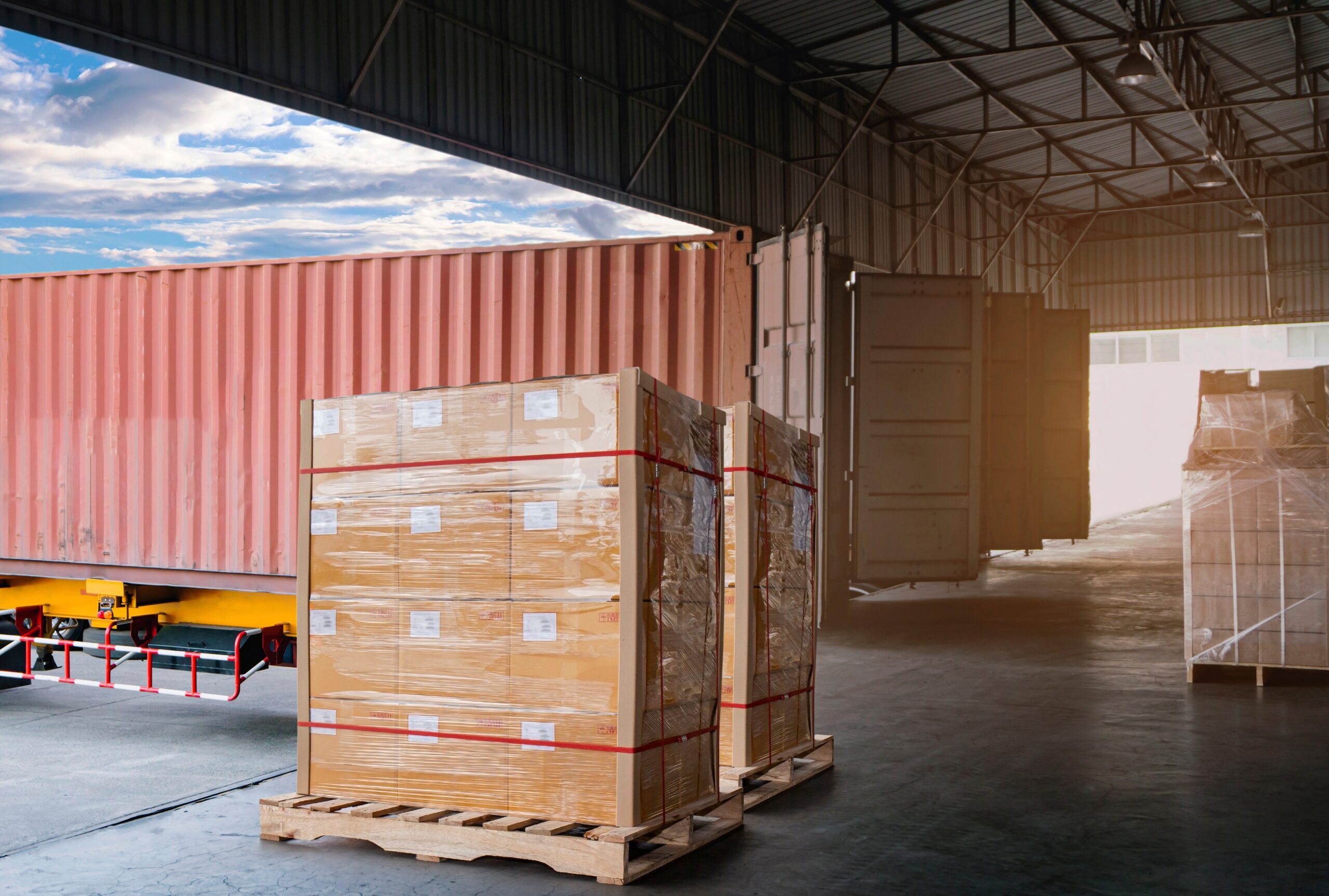
Ever looked at an LTL quote and wondered how a few pallets suddenly became that expensive? That is not always due to distance. Mostly, it is in the details of the freight. An LTL pallet takes up space, carries weight, moves through a network, and may require specific handling at both ends. Carriers price those conditions, not simply the existence of a pallet.
Once you understand what is behind the number, LTL pricing becomes much easier to predict.
Why Does One Pallet Cost More Than Another?
Because pallets are not created equal. A compact pallet packed tightly with dense freight uses space efficiently. A lightweight pallet that is tall, wide, or awkwardly shaped can take up considerably more room relative to its weight. That difference matters a lot. And so does the freight’s classification, which can reflect factors like density, handling, stowability, and liability.
Before requesting a quote, know the shipment you are actually sending:
- Final length, width, and height
- Actual shipping weight
- Number of pallets
- Type of freight
- Packaging
- Pickup and delivery requirements
Do not measure the product and forget the packaging. The carrier is transporting the output, not the product located in the warehouse.
Is Weight Really the Biggest Factor?
Not all the time. This is one of the easiest assumptions people make, and it often goes wrong. Let’s say there are two pallets, each weighing 500 pounds. One is compact and easy to stack. The other is large and occupies much more trailer space. Same weight. Very different use of capacity.
That is why density and dimension matter so much when it comes to an LTL rate. A shipper who reports only the weight gives the carrier an incomplete picture. And when the picture is incomplete, you’ll get an incomplete quote.
Where Can a Cheap Quote Become Expensive?
Usually, at the point where the actual shipment meets the original description. Maybe the pallet is heavier than reported. Maybe its final dimensions changed after packaging. Perhaps the delivery location needs a liftgate or an appointment. The carrier will address conditions not reflected in the original pricing.
That does not necessarily mean anyone made a mistake on purpose. It means the quote was based on different information. Before the freight leaves, verify:
- What is physically on the pallet
- How much does the complete pallet weigh
- How much space does it occupy
- How the pickup will work
- How the receiver will accept it
- Any special equipment that is required
Five minutes of verification can be more valuable than arguing over a few dollars of price.
Does the route Change the Price?
Absolutely, but not in the simple way people expect. With LTL shipping, freight typically shares transportation capacity with other shipments. The origin, destination, carrier network, terminal handling, and service requirements all influence how that freight moves. So, a short shipment can cost more than expected if the lane is less efficient or requires additional handling. Likewise, a longer shipment may be competitively priced when it fits well within a carrier’s network.
Distance matters. Network fit matters too. That is why comparing rates based only on mileage can give you the wrong impression.
What should You Look for in an LTL Quote?
The lowest quote might seem like the right choice at first, but it should not be your reason for choosing a provider. When you are comparing LTL shipping brokers, make sure you are comparing the same shipment under the same assumptions. Look beyond the base rate.
Check whether the quote accounts for:
- Fuel charges
- Accessorial services
- Pickup and delivery conditions
- Transit expectations
- Carrier selection
- Shipment tracking
- Claims support
If a quote looks way too cheap, ask why. Maybe it genuinely is better. Or maybe it is simply based on fewer services. The difference matters.
How can Businesses Keep Rates Under Control?
The best savings start after booking the freight. Use accurate dimensions. Avoid unnecessary packaging. Keep track of all the shipments. Inform the provider of the delivery conditions, then look beyond individual shipments.
If your business sends the same kind of freight repeatedly, look for that pattern in those shipments. Factors like Recurring lanes, pallet sizes, and weights can actually show where the money is going. Our team at KCH Transportation understands LTL and helps businesses with carrier management, shipment visibility, and transportation support according to their requirements.