State of Freight – March 2026:
March is when your body realizes winter was a long prank by Mother Nature. The sun comes back, your allergies clock in for their shift, and freight decides it’s time start rebuilding its self-esteem.
The market is not necessarily exploding, but it is repricing. Demand is improving enough to matter, and costs are high enough to force everyone’s hand. Even if your volumes stay boring, your rates might not.
Let’s get into this month’s freight market update, brought to you by our very own team of logistics nerds that we keep locked in a room reading charts and rejection rates all day and night.
More loads, less capacity
The theme here is simple: the freight pipeline is filling, while the system’s ability to move that freight is getting less flexible. That’s the setup for higher prices even before you get a true “boom.”
There are two forces doing this at the same time:
- Demand is back enough to matter. Backlogs are up, inventories are depleted, and manufacturing is expanding across multiple regions.
- Costs are up enough to force a reset. Diesel, tariffs, equipment and wage costs, plus geopolitical disruption. That cost stack lifts the rate floor from underneath.
ACT Research is seeing truckload contract rates up mid-single digits in February, described as a shift in contract portfolios, not spot noise.
The resurrection of the Heartland
Manufacturing finally recovered in more areas than just the Northeast, and that’s good news for freight, but it comes with a catch, because we can’t just enjoy good news..
What the regional manufacturing reads are saying right now:
- Kansas City is back to expansion at +5, with production surging to +10.
- Philadelphia is running hot at +16.3, beating expectations and marking a third straight expansion month.
- Dallas barely crossed above zero at +0.2, but that’s still its first time above zero since July 2025.
- Richmond is still contracting at -10, but February weather was a mess, so March is the “clean read.”
Forward expectations are where it gets spicy. Philly’s 6-month outlook jumped to +42.8, KC’s future composite doubled, and even Richmond is positive on a 6-month horizon.
The catch: capital spending plans are being cut. Philly capex got sliced, Dallas capex is negative, and manufacturers are basically saying “I like you… I’m just not ready for a relationship.”
So yes, demand is improving, but it’s improving with a cautious, clenched-jaw posture. That matters for how “smooth” this recovery looks.
Why rates are resetting higher
Carriers have wind at their backs from two directions for the first time since mid-2022.
1) Demand-side push:
- Backlogs are at the highest level in four years and inventories are depleted, which means the pipeline is refilling.
2) Cost-side push:
- Prices Paid is at 70.5.
- Oil is near $80/barrel.
- Retail diesel has been climbing for seven straight weeks.
- ATRI shows total per-mile operating costs at $2.26, an all-time high.
The key point is the mechanism. Even if demand stayed flat, the cost floor pushes rates up anyway because the business cannot operate below it for long.
And we’re already seeing it show up in the data that matters most for shippers: contract rates. ACT Research says February is when it “gave,” with TL contract rates up mid-single digits for the first time in four years.
The shift no one is talking about
Last year, a lot of companies rented warehouse space and stocked up ahead of tariffs. This year, many of them have shifted back to lean inventories and more frequent replenishment.
That matters because it moves spend from “store stuff” to “move stuff.” And moving stuff is where capacity tightens first.
- Transportation Capacity: 41.0 (down from 55.1 YoY)
- Transportation Prices: 76.7 (up from 65.5 YoY)
Same “supply chain spend,” different muscle doing the work. This time, the muscle is transportation. And it cramps faster.
Flatbed has been anything by "flat"
Tender rejections are the “early warning siren” for tight capacity. Flatbed is way past warning.
- Flatbed rejections: 42.67%
- Van: 11.6%
- Reefer: 18.3%
Nearly half of flatbed tenders getting turned away is the market telling you, in plain English, that it cannot find enough trucks at the price being offered.
Why flatbed is tightening first:
- Data center buildouts (steel, generators, transformers).
- Manufacturing backlogs improving, durable goods machinery inflecting positive YoY.
- Energy and O&G dynamics tied to Hormuz and oil.
- Seasonal construction demand building into March-May.
So flatbed is getting hit by a pile-on of structural demand plus seasonal demand. Which means, even if dry van doesn’t melt down, flatbed can still drag your overall budget upward in any network that touches it.
We're (not) hiring
Here’s the structural constraint. Even when manufacturing improves, hiring is weak.
- ISM Employment is still contracting at 48.8.
- Kansas City employment dropped to -6.
Manufacturers are meeting orders by working existing crews harder, not adding headcount. Downstream, that shows up as transportation capacity stress. Roughly 20,000 fleets that exited since January 2023 are not returning quickly.
So you get this weird combo: demand improves, but labor and fleet re-entry lag. That’s how you get a higher floor instead of a smooth glide path.
Hey there, Delilah
The proposed Dalilah Law would restrict CDLs to U.S. citizens, lawful permanent residents, and certain visa holders, with a 180-day recertification requirement.
614,000-720,000 foreign-born drivers, about 16-19% of the workforce, could be affected.
Even if it never becomes law, it creates uncertainty now. In freight, uncertainty is like throwing a banana peel onto a tightrope. People stop taking risks, and capacity gets less responsive.
The import narrative
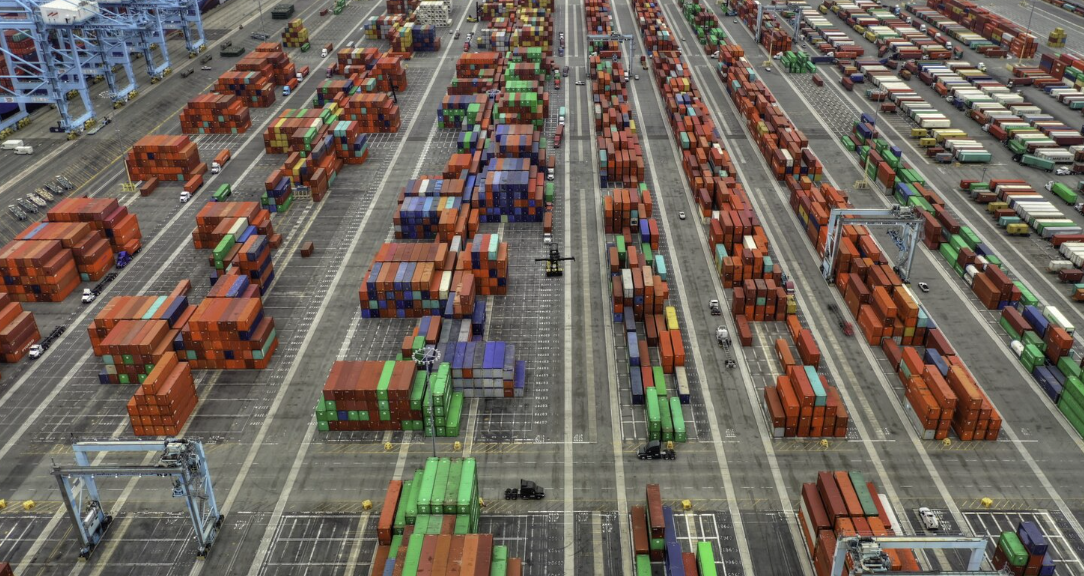
Inbound Ocean TEUs (IOTI) fell to 1,302, the lowest point on the seasonal chart since 2023.
March to April will be the tell. A rebound toward 1,600-1,800 looks seasonal. Staying depressed suggests disruption plus tariff-related adjustments are weighing on volumes.
Also, demand appetite exists: ISM Imports is 54.9. The question is whether the lanes can deliver.
What happens next
Q2 pricing is getting negotiated on the firmest cost floor since 2022, while demand continues to broaden. That combination usually rewards shippers who plan early and punishes shippers who wait for the market to “calm down.”
If you want the simplest working takeaway, it’s this: even if volume stays normal, “normal” is getting more expensive.