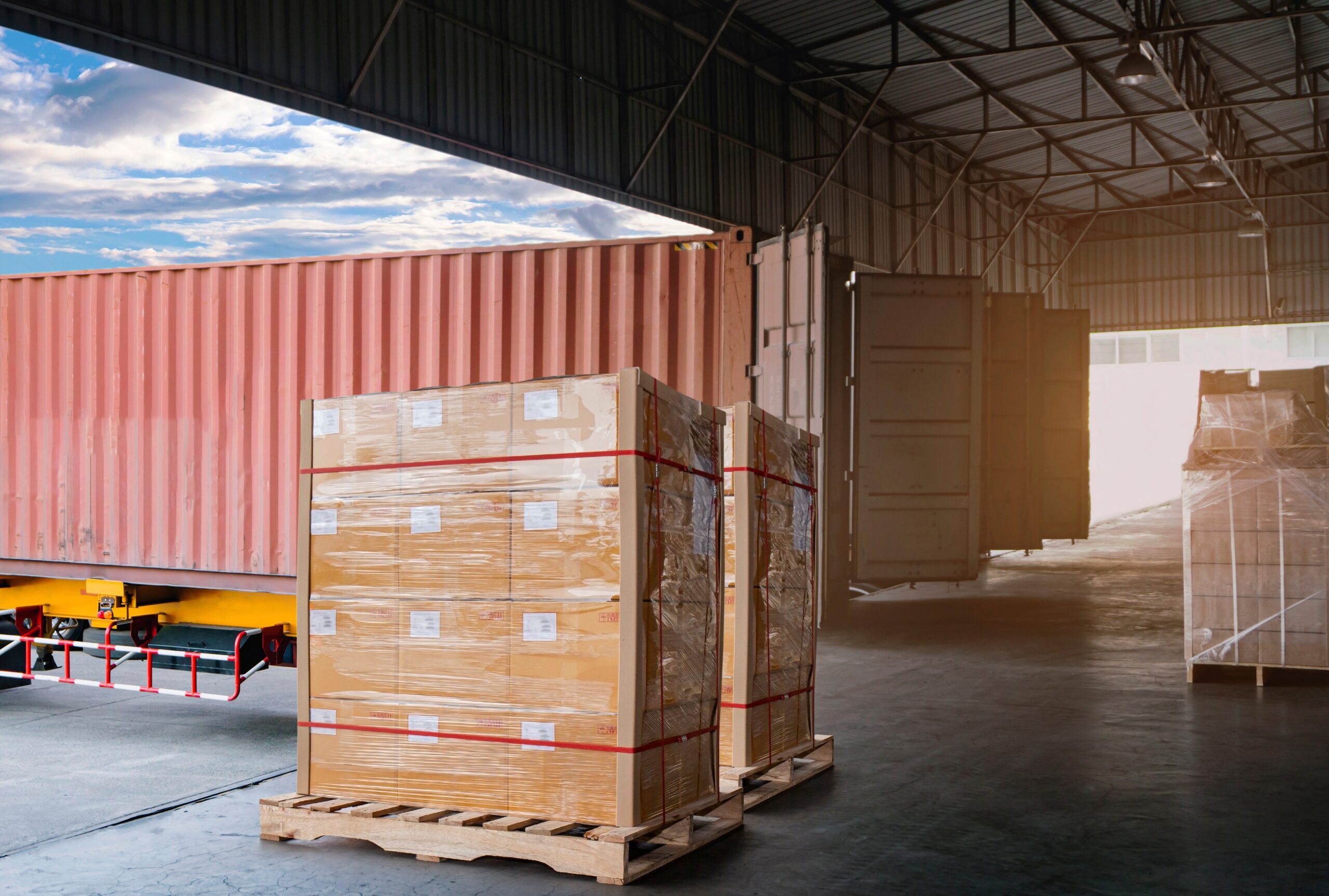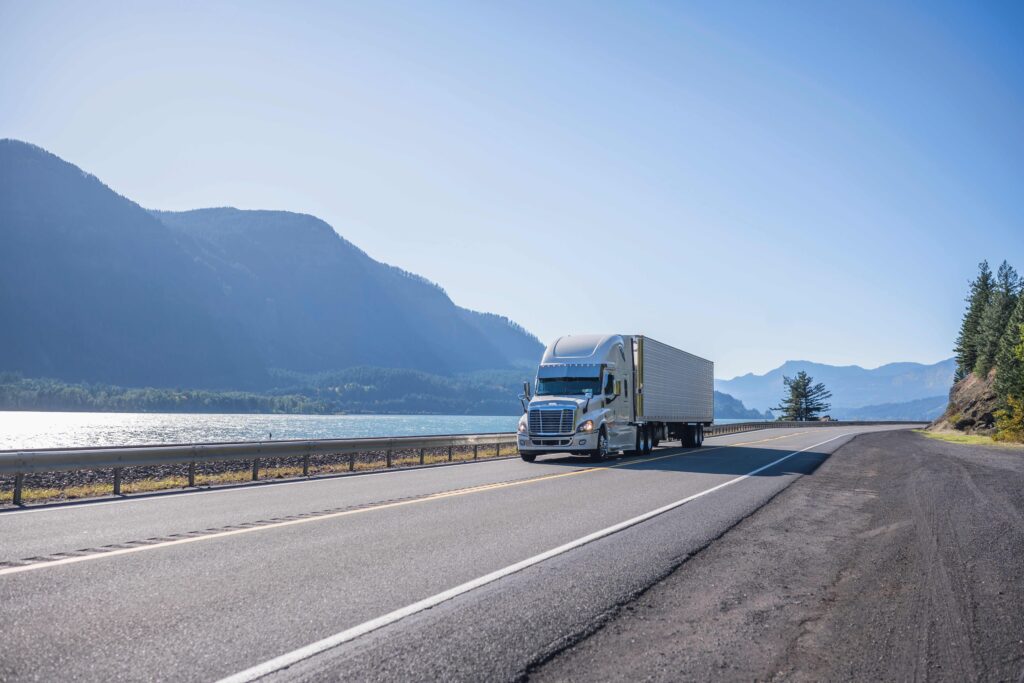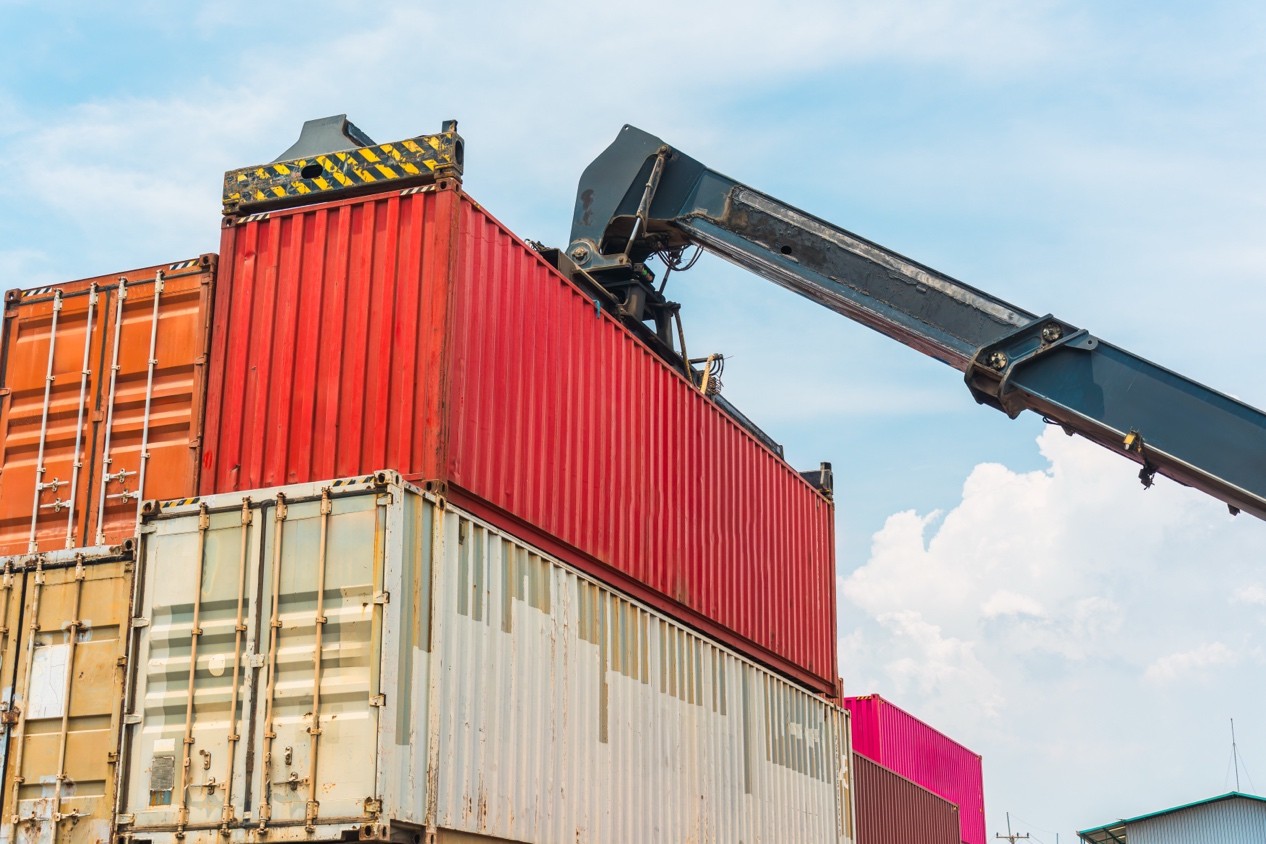
A container can cross an ocean without a hitch and still create a headache before it reaches the warehouse. That final stretch often gets treated as the easy part. It is short, familiar, and usually looks simple on a rate sheet. But port congestion, appointment windows, equipment availability, and receiving schedules can turn a routine move into an expensive delay. For businesses handling drayage shipments, the mistake is often not choosing the wrong rate. It is failing to account for what the rate does not cover.
The First Mistake: Counting Miles Instead of Moves
It is not necessary that a five-mile container move and a 50-mile move have a tenfold difference in complexity. The shorter move may involve a busy terminal, strict pickup procedures, a narrow appointment window, and a warehouse that accepts freight for only a few hours each day.
The distance only tells you how far the truck goes, not how difficult the move will be. That is why businesses should look at the complete movement before comparing prices.
The Second Mistake: Treating Time as Free
Time becomes expensive when a truck, container, driver, or warehouse slot is tied up longer than planned. With a delayed release, pickup is pushed even more. With a late pickup, delivery can be affected severely. And a missed delivery window will automatically affect the next one. With drayage shipping, the schedule needs as much attention as the route.
Before a load moves, shippers should know:
- When the container becomes available
- When the pickup must occur
- When the receiving facility can accept it
- What equipment is required for the move
- When equipment needs to be returned
A realistic and detailed schedule will keep things running smoothly and avoid any cost surprises.
The Third Mistake: Separating Drayage from the Rest of the Supply Chain
Even if the truck merely handles a segment of the trip, that segment links everything around it. A rail shipment might need to be delivered to a distribution center before its receiving time window. A port haul might go straight into production. Delayed deliveries will result in inventory being stranded where it should not be.
This means that the drayage freight is not just another local transport operation. Drayage involves an exchange between one major leg of the transport process and another. And a poorly coordinated exchange can cause problems far beyond the truck’s range.
The Fourth Mistake: Choosing On Price Alone
Yes, a lower quote may be pretty to see, but there are some questions left unanswered. What happens when the carrier cannot cover the requested window? What happens when the equipment is unavailable? What happens when the driver needs to wait?
These questions are important because the cheapest rate can quickly lose its value when the shipment requires extra coordination or corrective action. A better comparison looks at:
- Coverage for the required lane
- Equipment availability
- Appointment performance
- Communication
- Ability to handle changing schedules
The right provider should fit the shipment as a whole, not just the cost part.
The Math Should End at Delivery
A smart drayage calculation starts before pickup and ends after the container reaches its destination. Check the transportation charge. Then consider the time involved, equipment requirements, appointment constraints, and potential disruptions. That gives businesses a more realistic view of what the move actually costs.
We at KCH Transportation have been dealing with the same for years and have seen how shippers get confused between the cheapest option and the best one. When a container’s final few miles can affect everything that comes next, getting the calculation right means looking beyond the road itself.