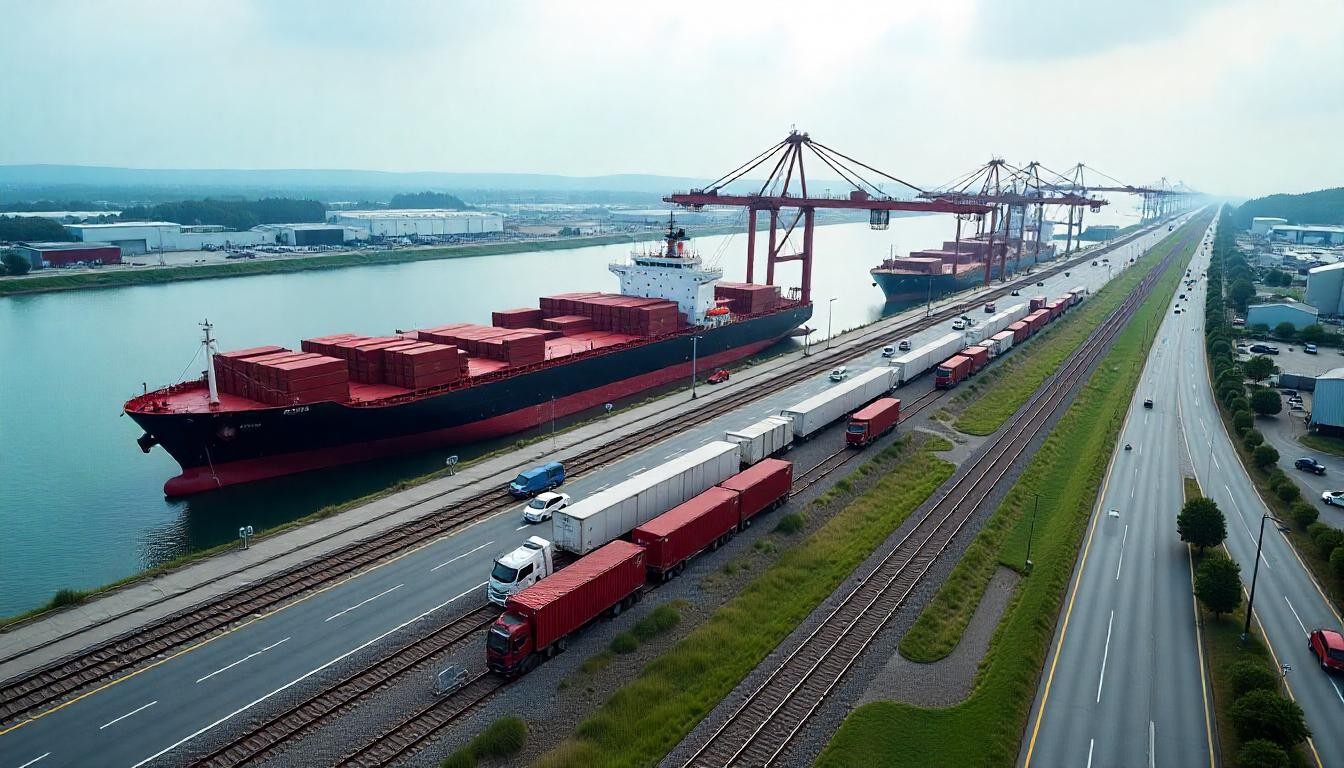
Bulk freight transport is one of the most important operations in the global supply chain. It is a major part of the supply chain, moving large volumes of products such as grains, coal, minerals, and chemicals over long distances.
The economic aspects of this business are affected by factors such as fuel prices, market demand fluctuations, logistics efficiency, and technological advancements. Understanding the relationships among these factors, companies can make better shipping and budgeting decisions.
What Makes Bulk Freight Shipping Unique
Bulk freight shipping is a different approach to standard freight, as it transports only unpacked goods. The goods are often poured directly into a vessel, truck, or railcar, making handling and storage much easier. Bulk shipping significantly reduces the per-unit transport cost, especially for firms that regularly ship raw materials or commodities.
Factors such as distance, weight, and cargo type determine the total cost of shipping goods in bulk freight. The rail transport system usually handles high volumes, so even a small change in either fuel prices or demand can have a significant effect on profits. Consequently, logistics planners and freight managers closely monitor cost trends, adjusting routes as needed.
Factors Influencing Bulk Freight Costs
Various factors affect the profitability of bulk shipments. Significant drivers include:
- Fuel Prices: Fuel always tops the list of expenses. Higher oil prices mean transportation costs will be higher, which in turn will affect overall shipping rates.
- Infrastructure and Routes: Every day, the efficiency of ports, highways, and railways can determine a shipment’s timeline. For example, modernized port infrastructure ensures faster turnaround and lower costs.
- Global Demand: Demand for commodities such as grain, steel, and energy products varies with market conditions. Shipping activity and rates increase during high demand.
- Regulations: Adherence to environmental and safety standards typically incurs additional costs, but it also helps ensure the long-term sustainability and safety of businesses.
- Technology Integration: Using GPS tracking, load-optimization software, and digital documentation systems helps reduce idle time and improve efficiency.
The Role of a Reliable Bulk Shipping Company
Having a reliable bulk shipping company as a partner can significantly impact logistics operations. Experts in handling large shipments, these companies use the best equipment and skilled staff to reduce costs while ensuring cargo safety.
The company specializing in bulk shipping services not only understands the market’s ups and downs but also helps customers secure near-best rates, ensuring an uninterrupted supply chain even when market conditions change.
Improving Efficiency in Bulk Freight Transport
Bulk freight transport should always be efficient and cost-effective in any company seeking to remain ahead of the competition. The following are some strategies:
- Route planning can be optimized using data-driven tools.
- If possible, consolidate shipments to minimize per-unit costs.
- Establish and nurture relationships with carriers and port operators.
- Switch to energy-efficient practices and vehicles as a way of reducing fuel consumption.
Appropriate planning and innovation can transform bulk haulage into a cost-effective, sustainable operation.
Conclusion
A constantly evolving logistics environment demands a good hold of bulk freight economics for long-term business success. Firms that employ cost management, technology adoption, and partnerships with knowledgeable associates can gain even greater reliability and profitability.
KCH Transportation is the go-to company for bulk freight logistics because its expertise provides solutions that synchronize companies’ operations, reduce expenses, and ensure goods are delivered on schedule—always.