A container can travel hundreds of miles smoothly by rail, but if it delays the shipment, it can cost a lot. And that is why smart businesses are focusing on Drayage Transportation, not trucks, trains, or price tags. Businesses are searching for a logistics strategy that keeps each handoff smooth, the schedule intact, and every shipment moving with full confidence.
The best transportation decisions are not about choosing rail or road. They are about knowing when one should lead the way.
When Does Rail Stop Being Enough?
Rail is best at covering the distance smoothly. It efficiently moves containers, handles high freight volumes, and plays a major role in moving goods across the country.
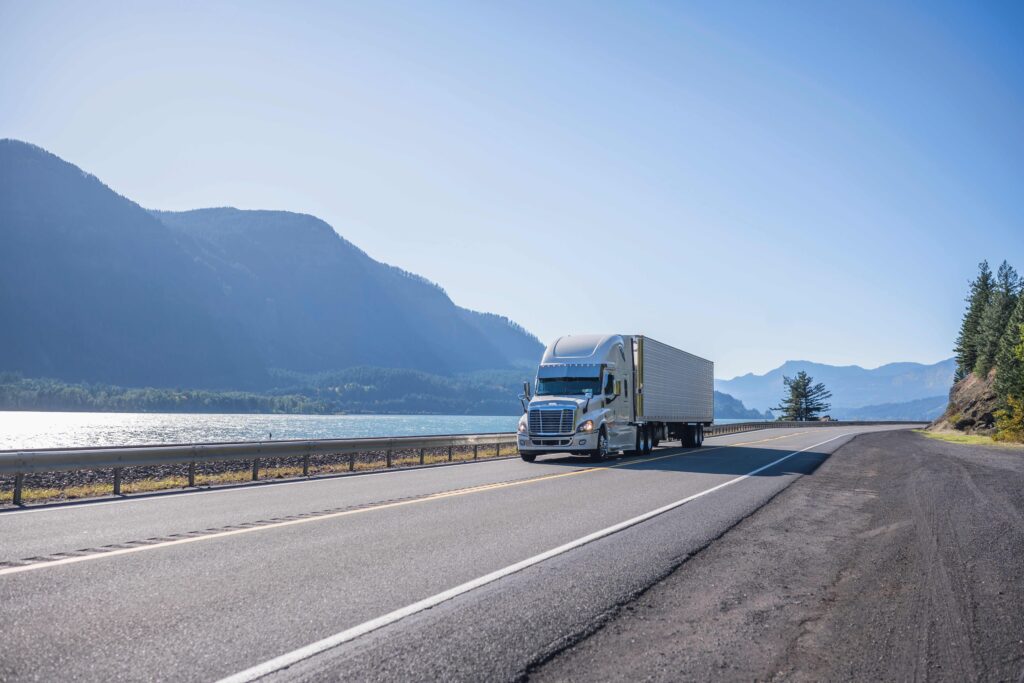
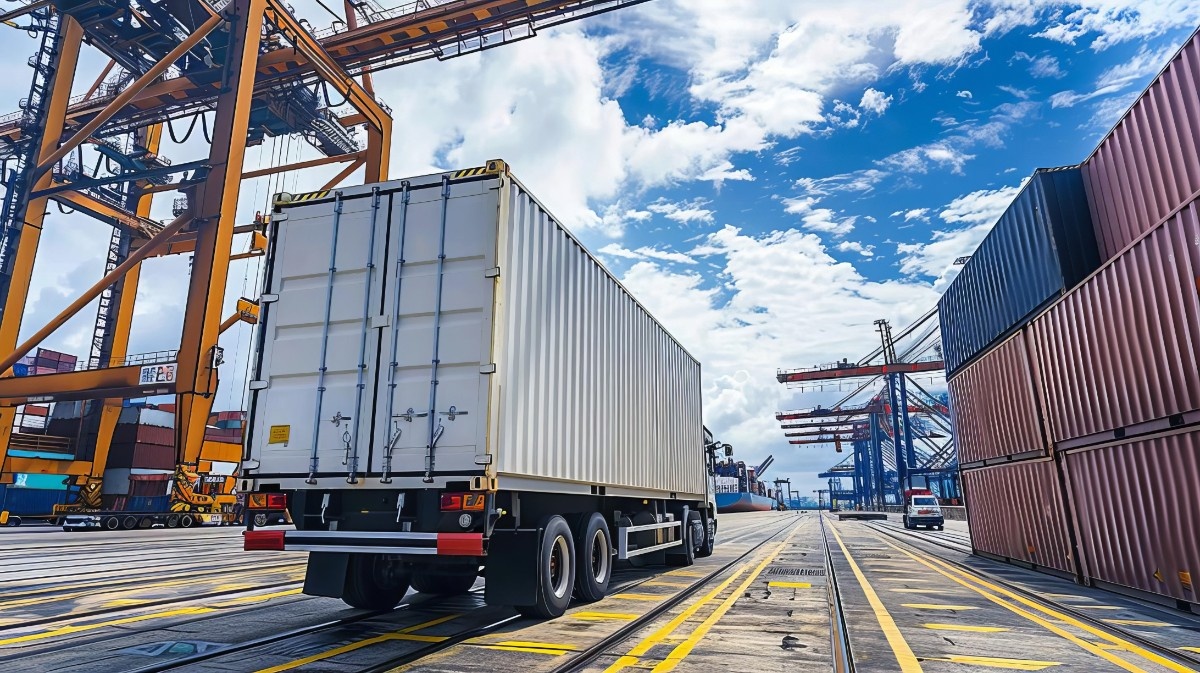
But then again, trains do not reverse into loading docks; they do not deliver to manufacturing plants, and they definitely do not unload at distribution centers. And soon, every container is calling for a truck.
You can consider rail as the cross-country flight- it gets you to the nearby location, while the truck is the final driver that gets you to the right door. Both of them are needed for the journey, each serving its own part. That final connection may cover only a handful of miles, but it often carries the greatest responsibility.
The Last Few Miles are Where Planning Earns its Keep
One thing no one understands until they experience it is that moving a container fifteen miles requires more focus and coordination than moving it five hundred miles. And why does that happen? Because the final leg is packed with moving pieces and factors such as terminal appointments, traffic conditions, equipment availability, warehouse schedules, and delivery windows, it needs to fall into the right place at the right time.
Successful Drayage Trucking isn’t simply about driving from one location to another. It’s about making dozens of smart decisions before the engine even starts. Experienced logistics teams are constantly asking questions like:
- Is the container ready for release?
- Will terminal traffic affect collection times?
- Does the receiving facility have a scheduled unloading window?
- Is there an alternative plan if conditions suddenly change?
Customers rarely see those conversations, and that is the motive. When logistics is under control, everything flows in the right direction.
Why are More Businesses Blending Rail and Road?
The old debate was simple: rail or road? Today’s supply chains ask a much better question: How can we work together more effectively? Manufacturers, suppliers, and distributors rely mostly on intermodal transportation, as every mode brings something valuable. As rails offer efficiency over long distances, trucks offer the flexibility needed for precision deliveries.
The irony is that the shortest trip is often the one that requires the most attention and focus.
It’s Never Just About Moving a Container
Every container shipped doesn’t just have finished products in it. Sometimes it is the parts needed to keep the production line running tomorrow. Sometimes, it is the inventory the customer expects before the delivery date, and sometimes it is a shipment planned by multiple businesses.
And that is why dependable Intermodal Drayage Services are more than just some transportation option. They are an important link between long-distance freight movement and successful final delivery. The right logistics partner doesn’t act rashly when there are changes. Instead, they identify the problem, find the correct solution, and keep the process moving before small issues become expensive problems.
That’s the difference customers remember long after delivery is complete.
When it comes to choosing between road and rail, it’s not about picking a winner. The strongest supply chains recognize that both have a purpose, and a successful transition occurs when they are seamlessly connected. When factors like planning, communication, and execution work together, each shipment is more likely to arrive on time.
The KCH Transportation team is skilled at selecting the appropriate mode of transportation for each desired destination. We have been helping manufacturers, suppliers, and distributors move freight with dependable drayage and transportation solutions designed around reliability, efficiency, and careful coordination. By supporting every stage of the journey with experienced logistics planning, our team helps businesses keep products moving and operations running smoothly across the regions we proudly serve.