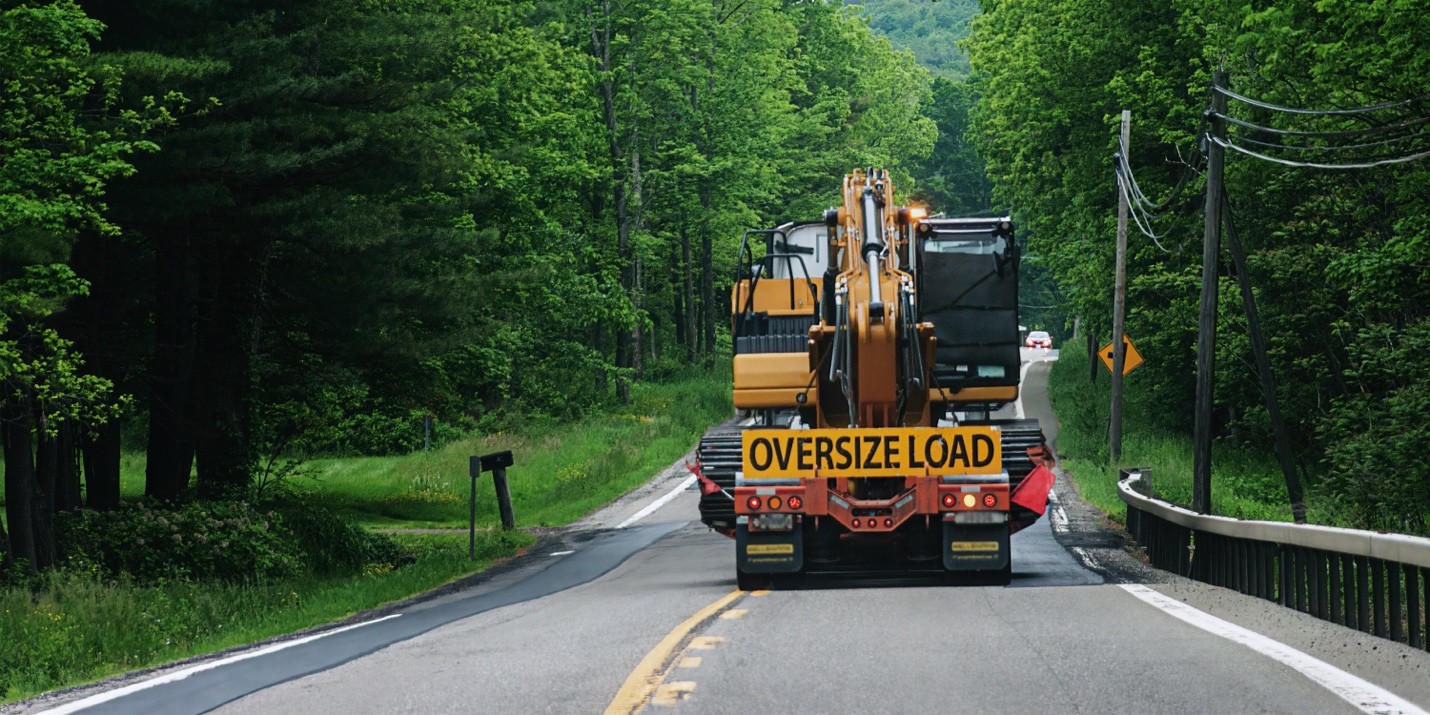
Heavy equipment isn’t shipment-ready just because the engine is off. Heavy equipment like an excavator, crane, loader, or industrial machine has its own dimensions, weight, moving parts, attachments, and loading requirements. One overlooked detail can change the trailer, route, permits, or unloading plan.
That is why preparation should begin before the truck is booked. When the equipment is properly prepared, oversize freight carriers can plan around the actual load instead of solving problems at the loading site.
What Should You Measure Before Moving the Machine?
Start with the machine exactly as it will travel. Check all the details, like its full height, width, length, and weight. Include anything and everything that will be attached during transportation. Whether it’s a bucket, boom, blade, counterweight, or anything else, it can change the load profile enough to affect the whole transportation plan.
Then look at what can come off. Some factors may be safer or more affordable to transport separately, while others may need to remain attached. Follow the manufacturer’s transport instructions rather than making assumptions based on how the machine normally operates.
Before the move, make sure to document:
- Transport-ready dimensions
- Total weight
- Attachments and removable parts
- Lifting and securement points
- Manufacturer requirements
- Loading and unloading needs
Also, take clear photos, as a few good images can tell a lot of things about the carrier that the specification sheet often misses.
What Can Make a Machine Harder to Haul?
The machine itself is not always the problem. Its shape can be. Tall equipment may create clearance concerns. A long machine may require a longer trailer. A wide attachment can change the route. A movable component can create a securement issue if it is not properly positioned.
For oversized cargo shipping, plan the equipment and trailer together. A lowboy may suit one machine. An extendable trailer may suit another. Some loads may require specialized loading equipment or roll-on/roll-off handling.
Don’t wait until loading day to discover the original trailer isn’t the right fit.
What does the Carrier Need to Know Beforehand?
A carrier needs more than a machine name. “Excavator” doesn’t specify the height, width, or how difficult it is to lift. Give the transportation team the actual specifications, photos, pickup conditions, delivery instructions, and loading methods. If the site has a tight entrance, uneven ground, limited turning space, or unusual loading requirements, mention it early.
Route planning also starts with those facts. Oversized loads may also require permits, clearances, route surveys, pilot vehicles, or other arrangements, depending on the shipment and the route. With proper planning, these requirements must be met before the equipment reaches the road.
Does the Delivery Site Need as Much Preparation?
Yes. This is where many otherwise careful plans fall apart. The machine may fit the trailer perfectly and still struggle to reach the destination. Before arranging oversized freight shipping in Augusta, GA, check the final approach as carefully as the highway route. Check the entrance width, turning space, overhead clearance, road conditions, unloading space, and available on-site equipment.
The receiving team should also know what is arriving. Make sure someone is there to unload the machine safely and that the site can accommodate the trailer when it arrives. A smooth pickup can still become a difficult delivery if you ignore the last few hundred feet.
What does Good Preparation Actually Accomplish?
It gives everyone the same picture before the wheels start turning. The shipper knows what is being moved. The carrier knows what it is handling. The route can be planned around the actual dimensions. The loading team knows what to expect. The destination can prepare for arrival.
That should be enough to handle a heavy equipment transit.
Safe Oversized Machine Shipping Starts With KCH
KCH Transportation coordinates oversized and heavy-haul freight with route planning, specialized equipment, carrier verification, permits and clearances, loading and unloading support, shipment tracking, and options for remote or difficult-to-reach deliveries.
When a machine is too large for an ordinary shipment, preparation should be anything but ordinary. Get the details right before departure, and the road becomes much easier.