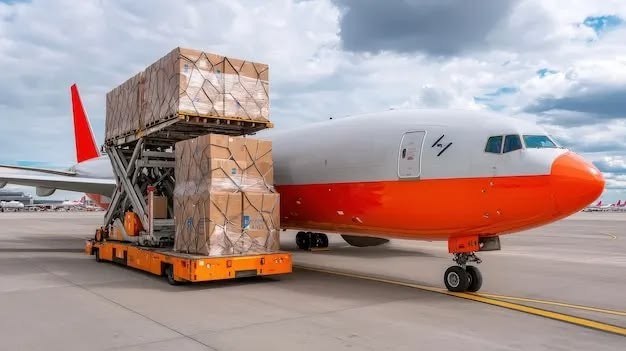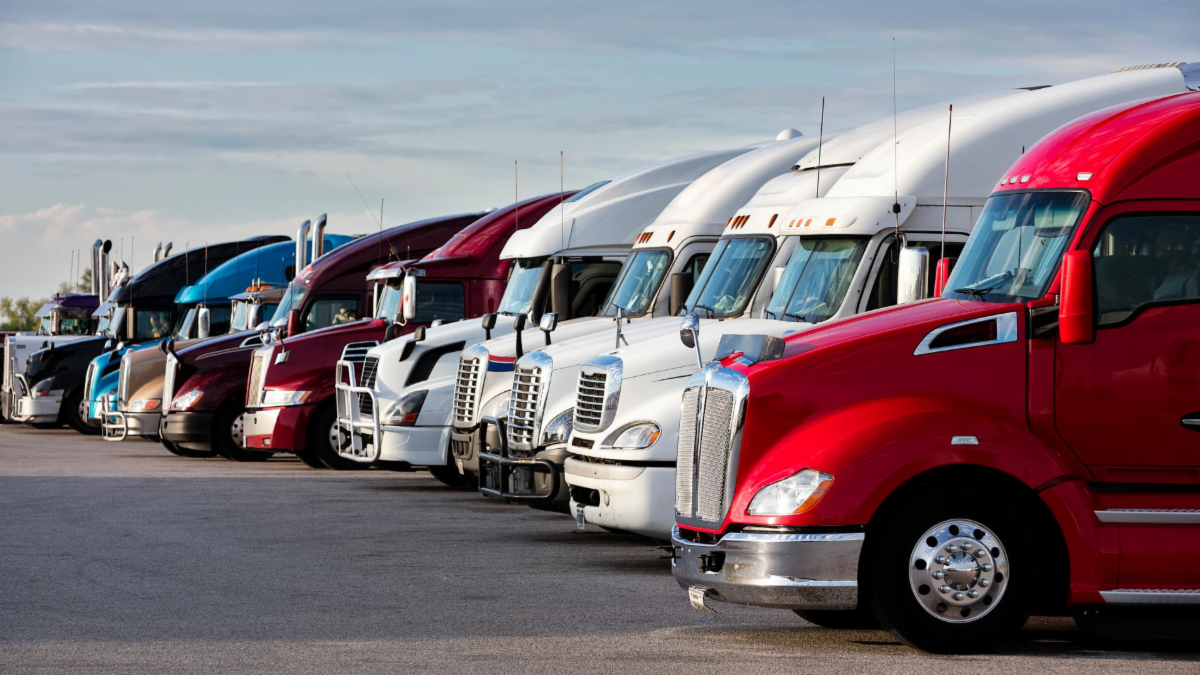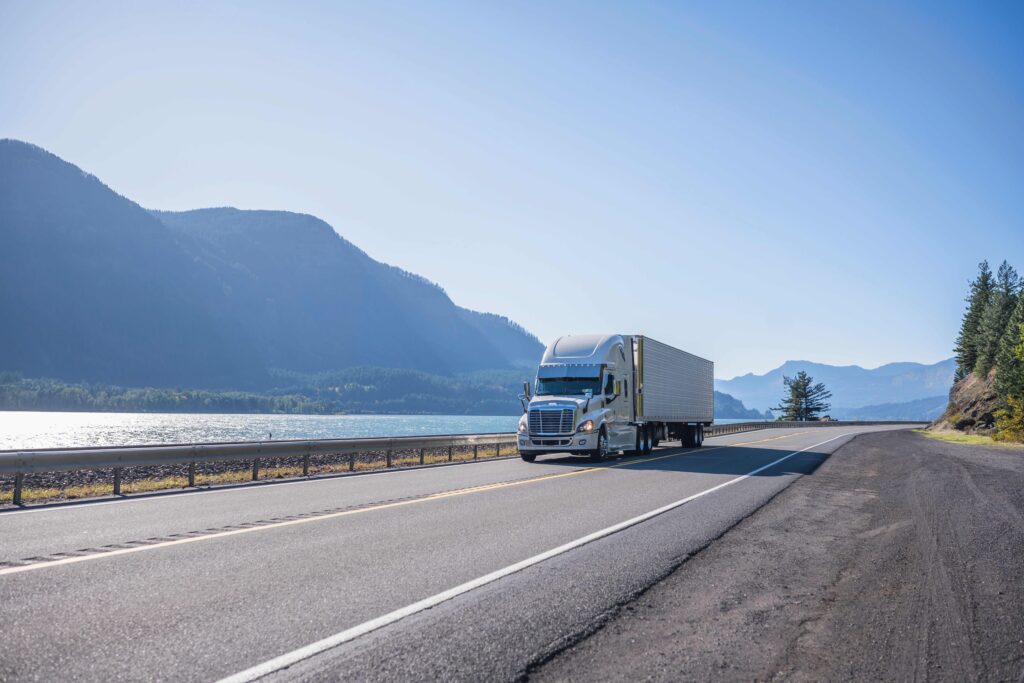

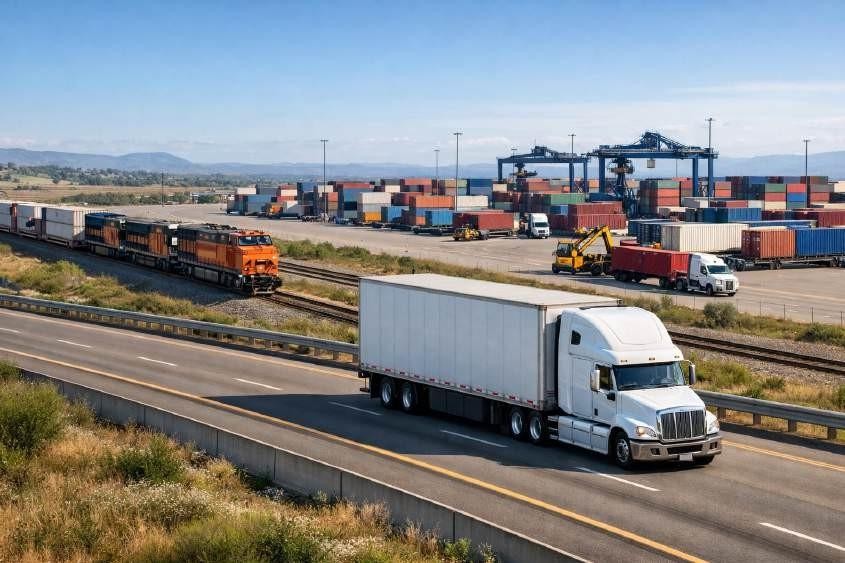
Domestic freight shipping is a key aspect in the United States. This is because, for speed, consistency, and cost control, businesses require a well-orchestrated freight network. This is a given for factories that receive raw materials and produce finished goods, which are then transported to distribution centers and retailers.
An understanding of how domestic transport operates can help shippers to make informed decisions in designing more resilient supply chains.
What Is Domestic Freight Shipping?
Shipment transport within the United States constitutes domestic shipping: either between states or in regional corridors. Multi-modal transport characterizes such transport, even if trucking is by far the most popular due to its flexibility, nationwide coverage, and door-to-door physical delivery.
For many industries, it is the most practical way to transport cargo smoothly without the complications of international regulations.
How Freight Moves Across the Country
The efficiency of domestic freight depends on careful planning and execution, with several key components at play to keep the shipments moving:
- Load design and planning: deciding on shipment sizes, weights, or handling needs
- Route planning: selecting routes based on transit time, cost, and reliability
- Vehicle matching: align shipment volumes with optimum fleet type
- Scheduling: allocate pickup and delivery windows to sidestep any service delay
In the case of large shipments, full truckload (FTL) shipping is normally chosen because it reduces the amount of handling, delays, and the possibility of damage. When time is of the essence or there is a constraint, such businesses might consider expedited freight shipping to avoid disrupting supply lines.
The Role of Technology in Freight Efficiency
Domestic freight shipping has seen substantial improvements in visibility and coordination through technology. Transportation and tracking systems [TMS] can be integrated with GPS tracking and real-time communication tools, allowing shippers to keep an eye on the shipments, anticipate disturbances, and act proactively.
This visibility reduces uncertainty, enhances customer communication, and supports better inventory planning across the supply chain.
Regional Hubs and Strategic Locations
Freight efficiency largely depends on geographical factors. This is because it’s the primary geographic area that connects manufacturers to their ports or distribution centers, as the case may be.
For instance, contracting with an FTL trucking company in Chattanooga, TN, offers business owners numerous benefits, given the city’s strategic location, which enhances local and national distribution within the Southeast.
Balancing Speed, Cost, and Reliability
No shipment is exactly the same as another. A successful strategy involving the shipment of goods domestically is about coordinating various priorities:
- Maintaining consistent transit times
- Controlling transportation costs
- Ensuring cargo security and compliance
- Scaling capacity during peak demand
Organizations that understand these trade-offs are better prepared to respond to market changes, seasonal peaks, and evolving customer expectations.
Why Domestic Freight Shipping Still Matters
Domestic freight transportation remains critically important to the economy of the United States today, even as the supply chain is transformed. Domestic freight, most of which involves trucking, is the core of contemporary logistics operations due to its adaptability, scalability, and broad coverage.
Companies investing in effective freight strategies achieve smooth operations and ensure long-term sustainability.
KCH Transportation provides expert support to businesses seeking dependable freight solutions and helps transport goods safely and efficiently across the United States. Connecting with KCH Transportation will boost confidence in your domestic freight transportation strategy.