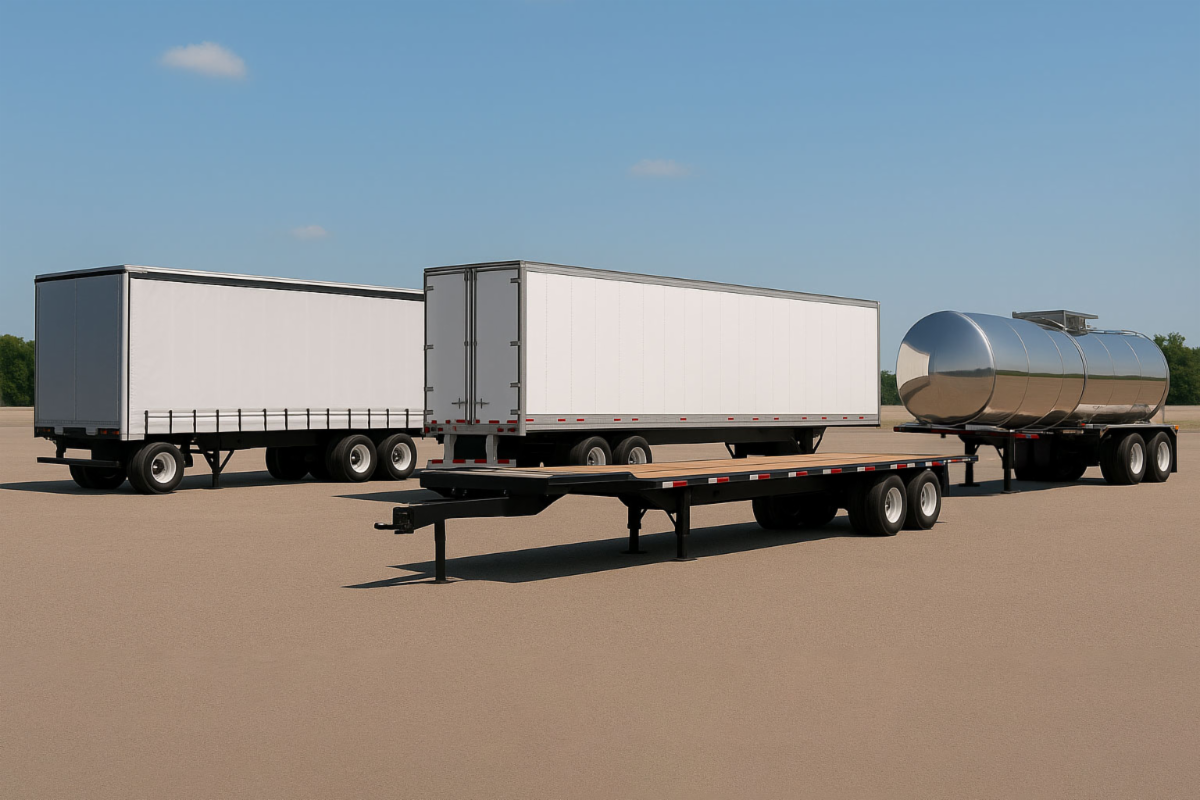

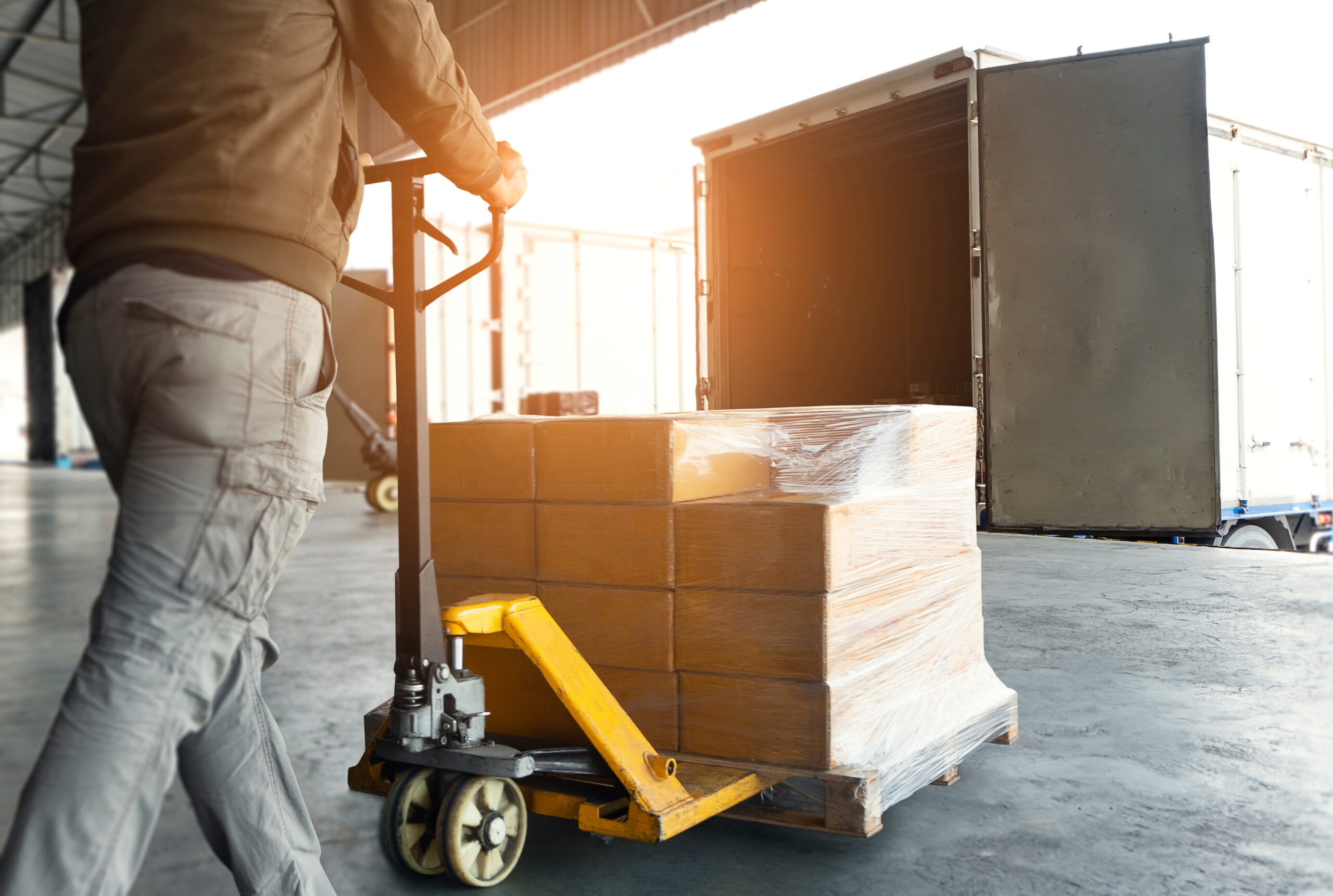
Freight consolidation is the combination of several small shipments into one truckload. It is a way forward that enables carriers to maximize occupancy rates and enhance the efficient delivery of goods.
Consolidation plays a significant role in less than truckload shipping. To make better use of space, packages from multiple businesses are grouped into a single truck, avoiding the need to transport partially filled vehicles.
Better Space Utilization Reduces Empty Miles
Failure to utilize space on a truck ranks among the greatest challenges in logistics. If trucks do not dispatch fully loaded, neither fuel nor operational costs really come down.
Freight consolidation works to fill available space with multiple shipments using:
- Fewer empty miles
- Better efficiency in loading
- Reduction of overall transportation waste.
It becomes clear how significant it is to use the final truck space effectively when shipping goods in containers.
Smoother Network Flow Across Terminals
Consolidation largely enhances the smooth movement of freight throughout distribution networks. Grouped freight, rather than single shipments, goes through terminals in a more organized manner.
This entails:
- Faster sorting and handling
- Shorter waiting periods at the terminals
- More consistent drives across routes
This reduces the shipment’s susceptibility to transit disruptions.
How Does Consolidation Improve Delivery Timelines?
The merging of shipments appears to be a process that could cause delays, but this may not necessarily be the case.
In the merging of shipments:
- Optimal travel paths are used by the trucks
- The number of journeys required is greatly reduced
- Effective scheduling is achieved
This helps ensure minimal time waste when making deliveries.
Cost Efficiency Through Shared Transport
Freight consolidation directly affects cost-utility. Instead of paying the full cost of a truck, the businesses involved only pay per square foot for the space their cargo occupies.
This beneficial method helps in:
- Reduction of shipping costs
- Planning a budget meticulously
- Maintaining consistent rates per shipment
Small businesses find LTL a viable solution for their frequent shipping needs.
Adjusting Shipment in Response to Variations in Demand
There is no fixed pattern that characterizes shipping demand, as it depends on the flow, the market, and other unexpected changes in the supply chain; therefore, the need for consolidating the load becomes essential.
To adapt to variations in the demand cycle while maintaining efficiency, organizations can adjust their shipping frequencies from partial truckload to full truckload.
Consolidation is particularly advantageous for domestic LTL freight because demand may vary across different geographic areas and time periods. Through consolidation, organizations may increase or decrease the scale of their business operations depending on the profits involved.
An Improved Process for Handling Part Loads
Consolidation of cargo entails making calculated moves toward transforming the transportation process for products in the logistics process, involving multiple points. There is no wastage, control of expenses, and an effective flow of traffic.
Businesses working with LTL moving company in Chattanooga, TN, find it easy to operate using consolidated cargo methods, and deliveries are made on schedule, making the entire process more manageable.
KCH Transportation takes care of the shipment, optimizes it in terms of value, and ensures equitable transactions regardless of capacity.
If you are thinking of improving your delivery plan, they could be of great assistance in creating an organized program that will create some level of reason in logistics routes and funding.