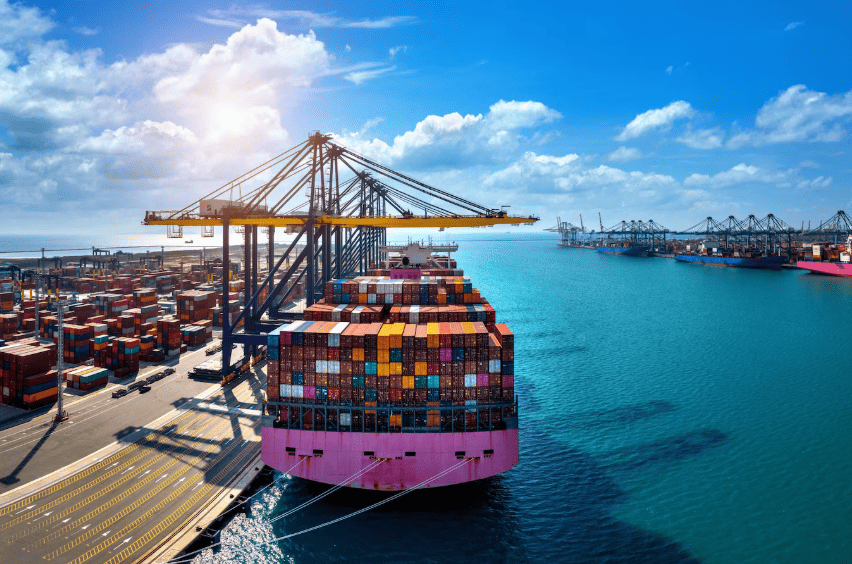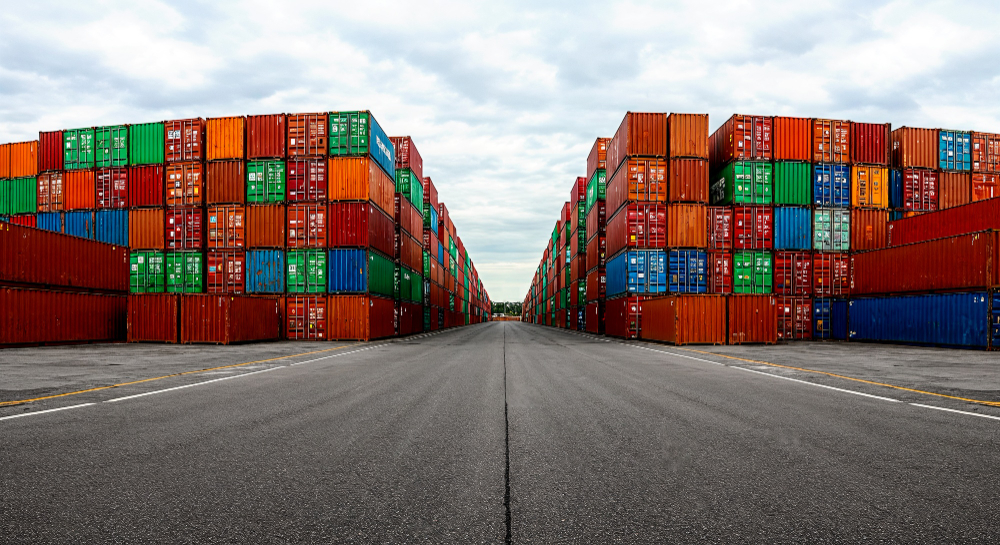
The large-scale transport system is responsible for handling thousands of shipments via warehouses, terminals, and staging areas each day. With increased freight volume, goods can be loaded, organized, delayed, and unloaded several times before they reach their destination.
This continuous flow in the facility causes scheduling and operational delays. The main problem with delays, in most cases, is not transportation but the processing of too much freight across different shipping stages. An FTL logistics company minimizes this challenge by ensuring efficient freight management.
Dedicated Truckload Shipping Removes Unnecessary Processing
Freight consolidations involve grouping consignments from several firms before any movement can take place. The whole process may also involve extra sorting, storing, and handling at the terminals.
The use of truckload transportation eliminates most of this problem, since one consignment will occupy the entire trailer without requiring repeated handling at various points.
This simplifies the transportation process and eliminates many interruptions along the way.
Fewer Handling Stages Reduce Pressure on Warehouse Operations
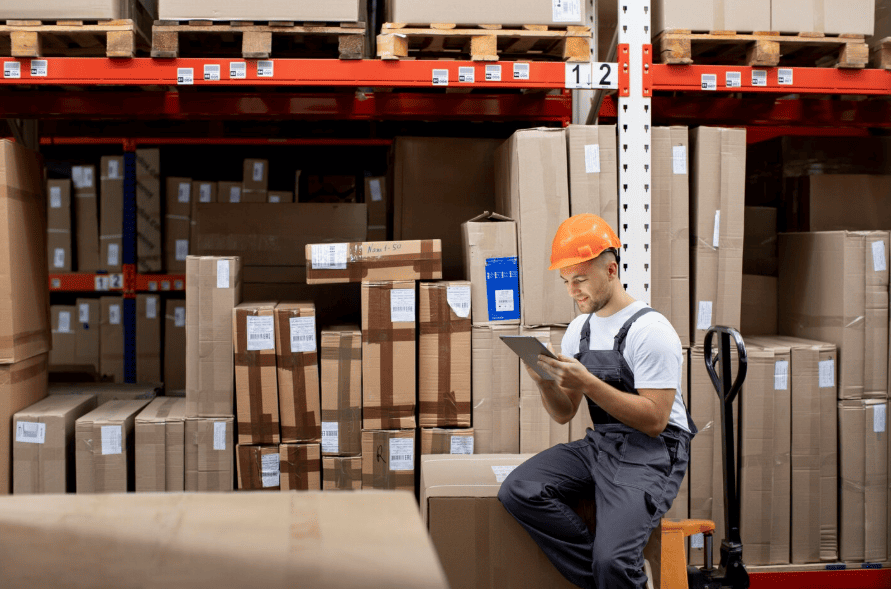
Predictable freight movement results in efficient warehouse operations. Frequent unloading and reorganization lead to lower operational efficiency, particularly during peak shipping periods.
Efficient handling processes enable warehouses to:
- Handle outbound cargo quickly
- Reduce congestion at the docks
- Facilitate quicker trailer turnarounds
- Ensure a steady flow of operations
Lower stress in warehouses ensures a smooth flow of freight movement.
Why Do Transfer-Heavy Networks Become Harder to Manage
Continuous coordination is required when transfer-based transportation systems are used, as disruptions can affect other shipments along the way.
Limiting freight transfers benefits businesses in that they can:
- Eliminate unnecessary dependencies on shipments
- Ensure consistent timing
- Make route planning simpler
- Prevent scheduling conflicts among facilities
This makes the shipping process much easier.
Direct Transportation Creates More Predictable Freight Cycles
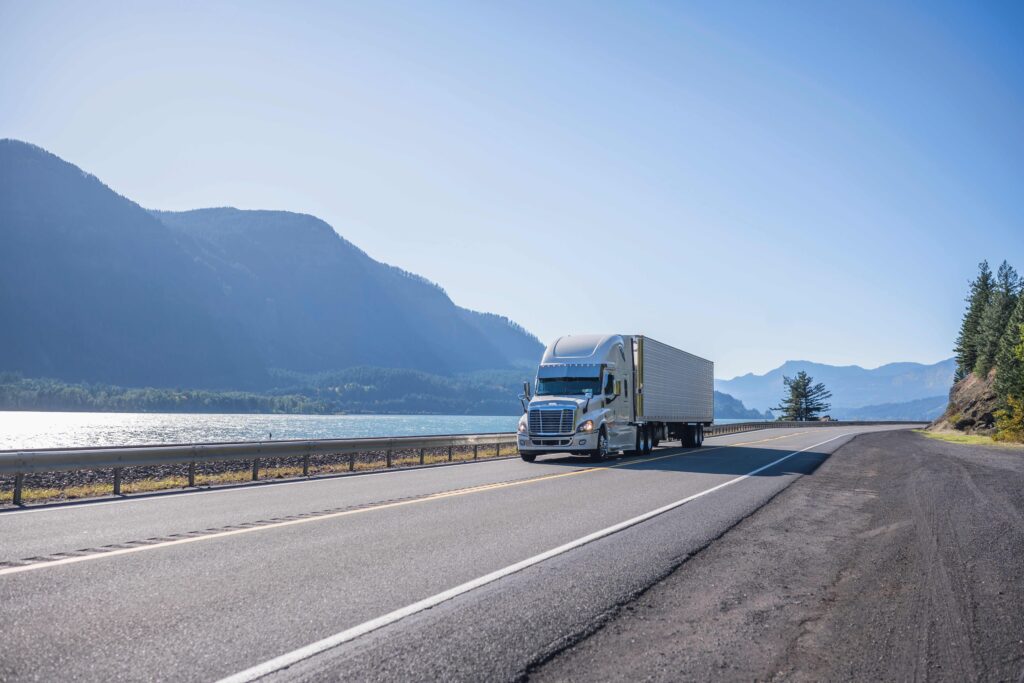
Managing freight transport becomes simpler when cargo follows direct routes rather than passing through hubs where it must be transferred. The use of full truckload in business organizations leads to a more seamless freight transport process, as freight continues to move throughout its journey.
This minimizes disruptions caused by sorting, changing trailers, and warehouse backlogs.
Stable Freight Movement Supports Better Planning
It becomes extremely hard to predict operations when shipment timing keeps changing. Organizations that handle large volumes of freight require logistics networks that enable more consistent freight movement cycles.
Consistent freight scheduling will enable organizations to plan:
- Inventory distribution
- Workforce planning
- Shipping times
- Proper coordination
How Does Simplified Freight Movement Support Long-Term Efficiency
Logistics network expansion leads to increases in both complexity and shipment volumes. Transportation systems that are overly complex due to excessive handling become difficult to scale up effectively.
A simplified logistics transportation system promotes efficiency through:
- Decreasing facility interdependence
- Increasing the continuity of transport operations
- Minimizing unnecessary shipment disruptions
- Facilitating cleaner regional freight coordination
This results in sustainable logistics transportation systems.
Simpler Freight Movement Creates Stronger Stability
It is usually true that FTL freight efficiency will eliminate unnecessary complications in the transport system. Reducing handling steps, direct shipment, and smoother flow are ways to achieve higher reliability in shipments over long distances.
A company working with an experienced FTL shipping company in Chattanooga, TN, will be able to enjoy the benefits of a smooth, uninterrupted flow of shipments from one point to another.
At KCH Transportation, we help our clients simplify freight operations through direct routes and efficient transportation management.