Each cargo consignment is unique in its own way. Some companies are delivering smaller shipments between areas, but there are other companies that have large shipment volumes, and they need to be delivered fast with a designated space. The right selection of a shipping model directly impacts the time for delivery, efficiency, and transportation costs involved. This is the reason why most of the supply chain managers make a comparison between LTL Freight vs Full Truckload before developing a logistics plan.
Both these models cater to different purposes, and the right decision can be made based on shipment volume, delivery urgency, handling needs, and cost considerations.
Smarter Shipping Starts with Load Size
Every supply chain will come to a point where there is an option to choose. Either share the space in a vehicle or own all of the space in that vehicle. In LTL, several shippers share just one trailer. Each shipper will pay for its footprint, and this makes the budgeting process easy. Full Truckload, on the other hand, is completely different. There will be only one shipment and one vehicle going to one destination. The model does not need to share space.
Although they both serve the same needs, they suit very different logistics personalities. The more frequent the shipment and the lighter it is, the more chances that it is suited for the LTL model. If the volume of the shipment is big, it will suit the Full Truckload model.
When Does LTL Actually Save More?
Savings, on the other hand, is a relative issue that heavily relies on shipment frequency and its efficiency. LTL shipment makes sense when businesses need to move smaller volumes of freight, which do not make sense in filling an entire trailer. LTL lets businesses remain involved in the market operations without tying their money into empty trailers. The model comes into play when businesses develop and open up new territories of operations.
However, LTL freight shipping also provides business opportunities for keeping logistics costs under control throughout the seasonal changes. Businesses do not have to be fully committed to their transportation costs and can increase or decrease them in line with the actual needs. However, LTL saves money through several factors:
- Reduction in storage issues by increasing shipments
- No need to pay for empty trailer capacities
- Businesses can easily adjust to changes in demand
On the other hand, LTL requires patience. The process of consolidation involves additional stops, which take more time.
Full Truckload Moves like a Private Lane
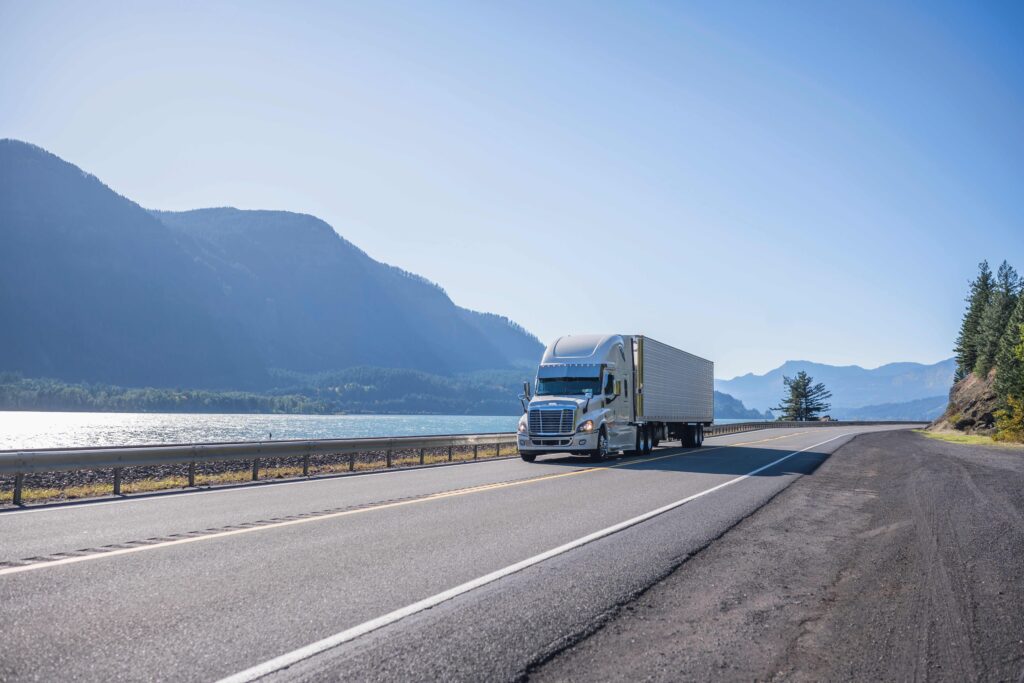
Full Truckload acts similarly to a dedicated highway lane, which is meant only for one shipper. The freight gets loaded in one go, proceeds directly to its destination point, and gets unloaded there. This type of operation eliminates any friction from the process. No cross-docking, no handling procedures, no uncertain time losses due to multi-stop routing.
This kind of control provides a completely new dimension to those businesses, which need punctuality in their operations. Manufacturing operations, retail replenishing schedules and high-value cargo will definitely appreciate this kind of movement.
Full Truckload helps in improving the integrity of shipments:
- Less contacts mean less chances for damage
- Dedicated cargo area means better protection of the load
- Direct movement makes delivery more predictable
Companies use this method when they prioritize consistency over flexibility.
Which Option Protects Time-Sensitive Freight Better?
Speed is the key in logistics. Full Truckload will be faster, as it does not pass through any terminal networks. It transports freight from origin to destination without stopping anywhere along the way.
However, LTL does slow down because of consolidation and sorting, but is right in situations where there is a need to deliver planned shipments. This is what companies do whenever they value cost-effectiveness over urgency of shipment. It all depends on whether it is time for scheduling or a shortcut.
Conclusion – Choosing Strategy over Habit
The most effective supply chains will not depend on only one transportation mode. Rather, they will be flexible in choosing transport models that will suit each type of freight based on changes in demand. Once companies understand when to share the space and when to use dedicated trucks, they get a better handle on costs and consistency.
Being one of the experienced teams, KCH Transportation understands both modes and can help you make an efficient decision for your business. Those who consider shipping as a strategy rather than a transaction get to utilize it to the fullest.