A government shutdown can produce a variety of domino effects on the logistics industry, but when combined with unforeseen operational disruptions, it intensifies and significantly increases its impact.
Recent developments (e.g., the 10 percent reduction in scheduled flights at 40 major U.S. airports at the direction of the Federal Aviation Administration, and the obligatory grounding of certain cargo aircraft) further illustrate how vulnerable the supply chain becomes during peak demand seasons.
When capacity is scarce, schedules inevitably change, and businesses need reliable options. This implies that dependence on expedited freight companies is likely to increase.
How Flight Reductions Affect Freight Movement
It is anticipated that the FAA will be bound to reduce domestic flying during peak daylight hours, as this would strain cargo movements, which are typically the busiest during this holiday period.
Many major airports affected by the cutbacks serve as key centers of package distribution.
Countries like the USA thrive on global parcels and other international air freight without many problems. In contrast, domestic container storage problems can create choke points, especially when passenger aircraft, which help carry cargo in the cargo bay, cut back.
For businesses that rely on efficient delivery services, the shifting conditions further emphasize the role of expedited shipping companies, which ensure that displaced cargo can be moved quickly and through re-routed channels.
Grounded Aircraft Adds Another Layer of Pressure
Compounding the challenge, multiple freight carriers have grounded sections of their fleets out of prudence in the wake of a recent cargo plane incident, apparently affecting the availability of MD-11 aircraft needed for part of U.S. cargo operations. Experts predict a full-fledged comeback to service by these carriers in the days and weeks ahead, amid tight rebounds in demand aggravated by disrupted supply chains.
The decrease in air traffic means delays of one or two days are more common. This is when companies increasingly rely on expedited shipping logistics to counter delivery delays and fulfil their obligations.
Shifting Capacity to Ground Transportation
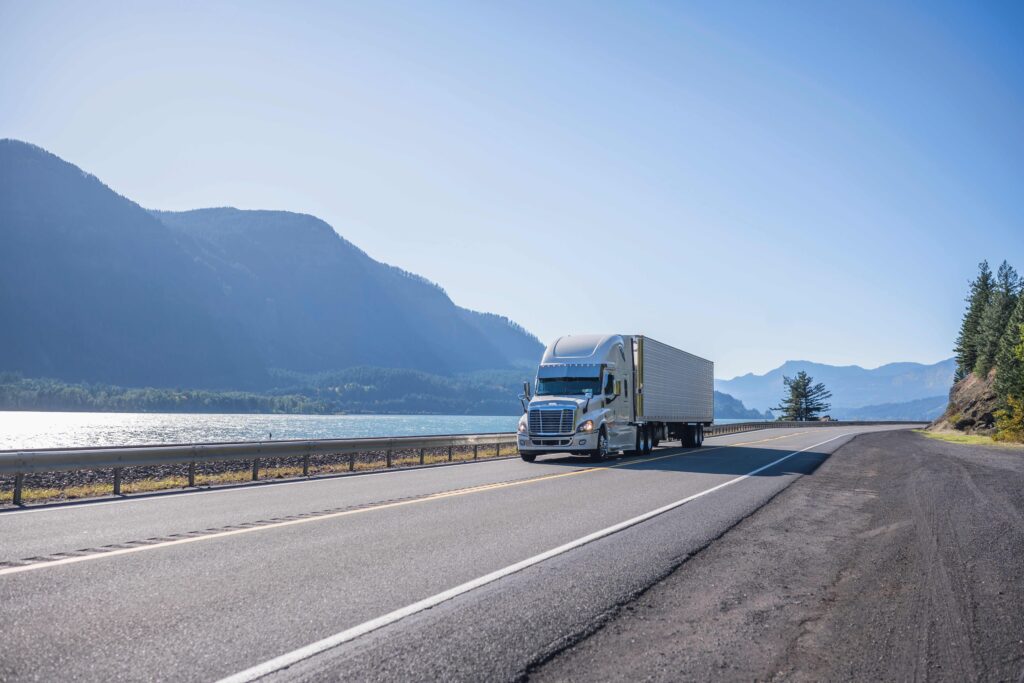
Trucks and expedited ground networks play a crucial role in accommodating diverted volume during increasingly restricted air options. Yet this transition is not always smooth. High-value electronics, seasonal goods, and time-sensitive inventory often depend on air freight. A sudden surge in ground demand could then drive volatility in rates and result in equipment shortages.
The efficiency of the freight industry has significantly improved over recent years. Carriers can merge consignments, reroute through other centres, and even change the mode of transportation. These changes bring order, yet chaos still exists – highlighting the need for expedited freight companies to fill the void.
Conclusion
A government shutdown, paired with flight stoppages and aircraft groundings, makes for a tricky period for domestic freight movement. Hence, to stay resilient, shippers need to proactively diversify transportation strategies.
Moreover, they should look for partners who can swing with the wind. The KCH Transportation approach involves flexible, dependable solutions that help enterprises navigate disruptions confidently.
Contact KCH Transportation today for reliable expedited freight assistance when you need it most.