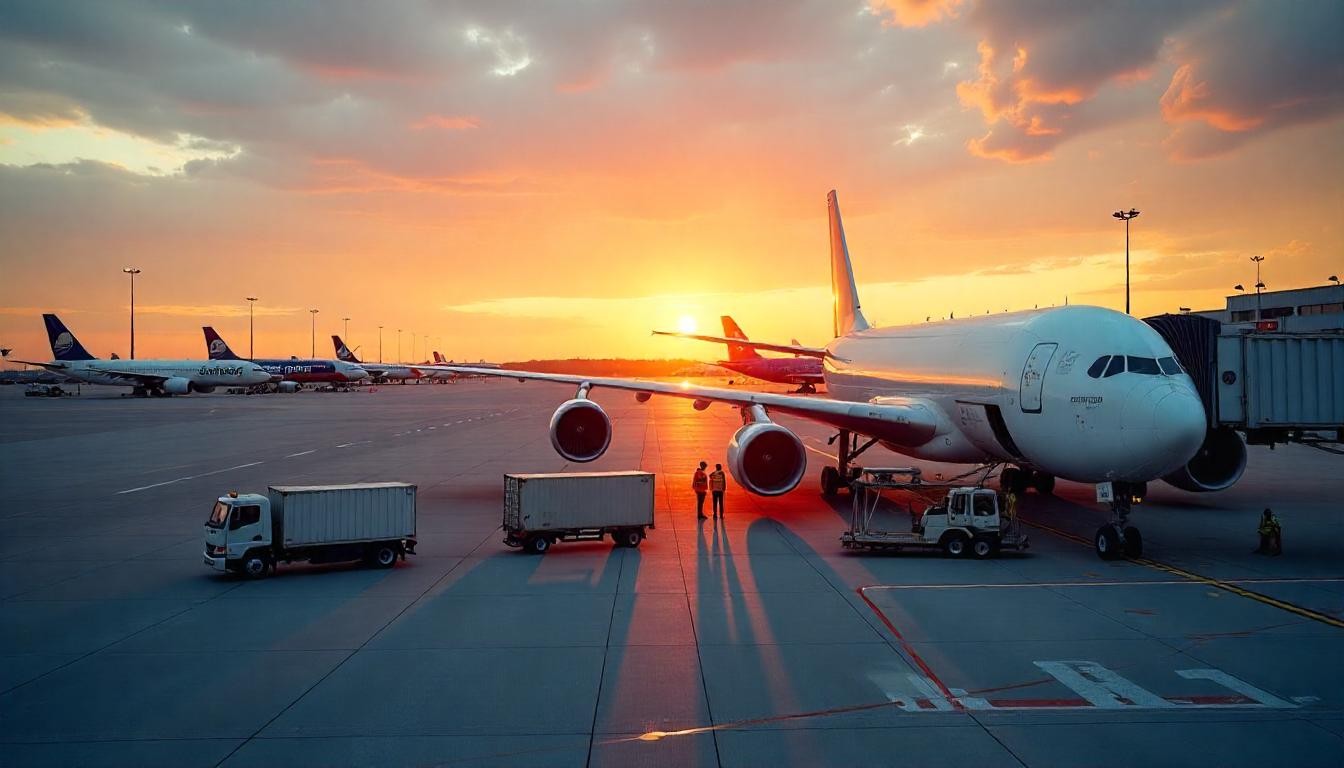
Airfreight costs are expected to change in 2026, as experts forecast excess air cargo capacity, which could lead to a price drop. Market analyst firm Xeneta claims that this transformation will open up avenues for shippers to secure better long-term contracts, whereas logistics companies plan to keep their volumes steady and even grow their market share.
Capacity Outpacing Demand
Xeneta’s projection indicates that next year supply in the airfreight industry will exceed demand, leading to a drop in rates. Niall van de Wouw, airfreight chief officer at Xeneta, noted that the rate reduction would mainly result from slower demand growth relative to faster capacity growth. Consequently, shippers will likely opt for longer contracts to secure pricing and protect themselves against spot-market fluctuations.
This situation is particularly relevant to businesses that rely on air cargo carriers for global logistics. One strategic option is to sign agreements several months in advance, helping shippers optimize their budgets and benefit from favorable rate trends.
Contract Restructuring and Market Dynamics
When rates drop, logistics companies will likely focus on gaining a larger market share, offering price reductions, and negotiating new contracts to attract and retain customers. According to Xeneta, these relationships between shippers and freight forwarders may become even more complex as contract rates decline.
Index-linked or flexible contracts, based on ocean freight models, are likely to be used more widely in the future. Such arrangements guarantee both parties adaptability and provide data-driven insights, thereby increasing trust and stability in an ever-changing market. For companies that use air cargo services, awareness of these changes is crucial to negotiating contracts that deliver optimal cost efficiency and operational reliability.
Key Factors Shaping Air Cargo Demand
Xeneta has identified six key factors that will affect air cargo demand in 2025: supply chain disruptions, changes to U.S. import rules, global manufacturing growth, consumer behavior, tariffs, and AI technology investments.
The combination of these factors has created a market that, although healing from the pandemic, remains complex and highly sensitive to shifts in global trade and logistics strategies.
Implications for Air Cargo Transport Services
The predicted decline in rates underscores the need for both shippers and freight forwarders to remain flexible. Businesses that depend on air cargo services will need to review their contracts, monitor the market, and, if necessary, pursue long-term agreements to manage costs and capacity effectively. Making good plans and negotiating in advance are the main ways to address upcoming changes in the air cargo market.
Contact a Reliable Logistic Partner
The airfreight forecast for 2026, presented by Xeneta, indicates a turning point for air cargo transportation services, with supply exceeding demand, leading to changes in rates and contract approaches. This will be the scenario in which shippers and forwarders must adapt to remain efficient, cost-conscious, and supply chain reliable.
KCH Transportation provides comprehensive air cargo services for companies seeking reliable, cost-effective ways to move their goods. Besides, the service is designed to navigate volatile markets while ensuring the smooth, dependable movement of your freight.