
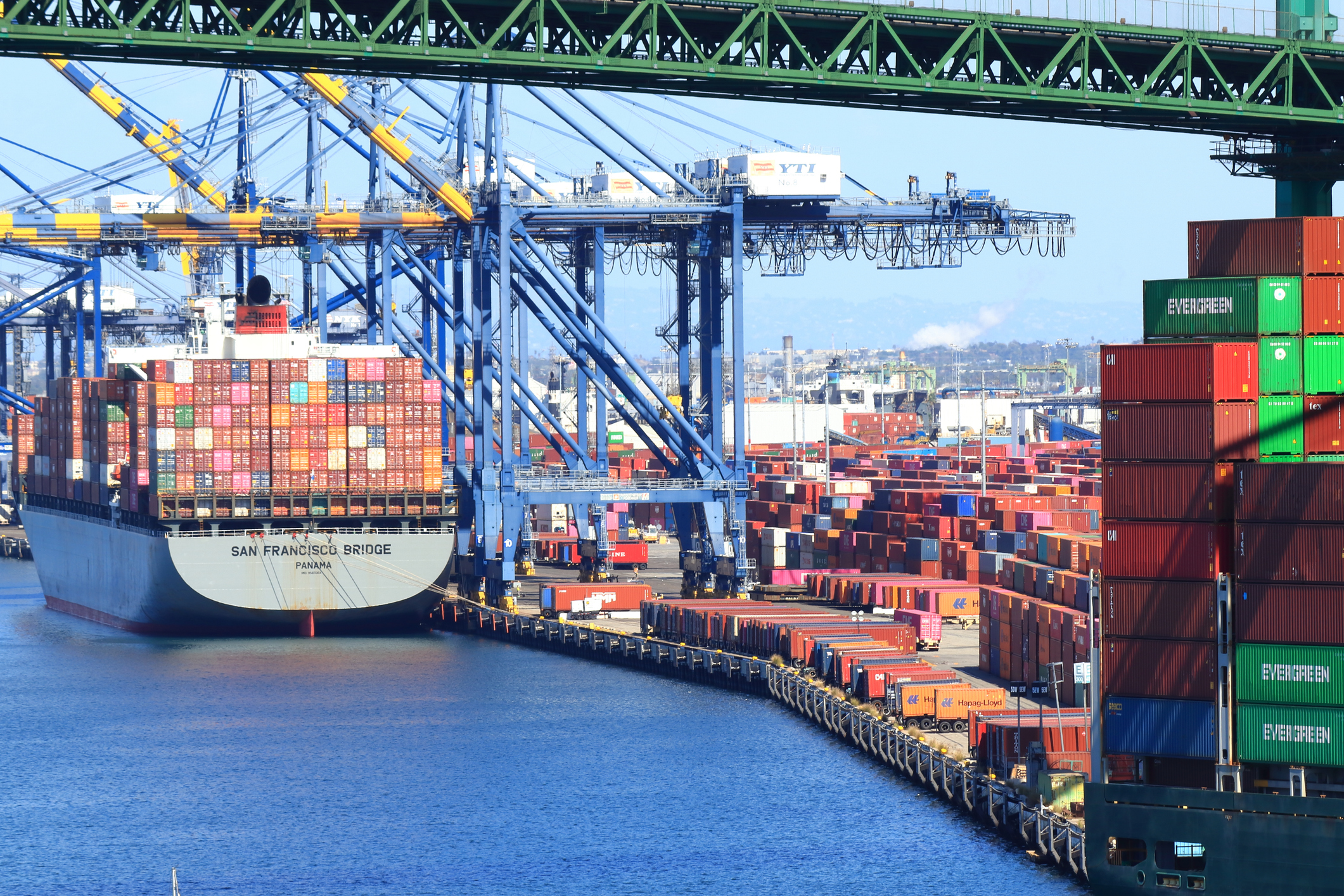
Port leadership has said that Los Angeles port cargo activity is likely to moderate slightly in 2026, after the very brisk preloading. It suggests the year-on-year reduction is quite small. Yet, the crisis has significant implications that extend beyond trucking, logistics planning, and supply chain strategy across the United States.
Why Import Volumes Are Expected to Decline
Port officials think overall import volumes could drop by single-digit percentages in the new year. This is mainly due to the surge in inventory levels. To address trade-war threats and seasonal fluctuations, importers brought in substantial merchandise well ahead of their regular stocking plans; the result is that warehouses are filled heading into the new year.
Despite this, one could argue that nothing alarming is expected, as inventories are perceived as stable. Demand pulls on retail sales are expected to remain active or resume, potentially fueling a pickup in the new year after a flat peak season. Transportation companies that offer freight shipping services will face changes, but not a steep decline.
Recent Volume Trends at the Port
The November data highlighted a slackness in port activities in the short term. A decrease of over 782,000 TEU was recorded for the month, compared with the same period the year before. Both imports and exports were recorded at lower levels during this period, and the number of empty containers was reduced.
Despite the small hiccups in growth, the overall outlook is positive. Volumes remain quite optimistic compared with the previous year, and one can expect total throughput of more than 10 million TEUs in 2025, placing the port at its highest level in history. These numbers indicate that although growth is moderating, demand for freight transportation services will not collapse.
What This Means for Trucking and Inland Freight
Small but consistent changes in port volumes build internal pressure. Since shippers are carefully managing inventories, carriers may see steadier, yet competitive, freight movements. Intermodal movements and regional trucking may adjust as import patterns shift.
Inland hubs primarily engaged in cross-country distribution will adopt operating models that prioritize efficiency and flexibility. Providers of freight transportation services in Chattanooga, TN, for instance, might be forced to adjust shipment sizes, delivery times, and routing as firms determine new replenishment patterns for their stock.
Trade Uncertainty Remains a Factor
Ongoing trade challenges, including tariffs affecting U.S. agricultural and manufactured exports, continue to weigh on outbound volumes. Even with import volumes holding steady, declining exports are likely to drive meaningful shifts in the modal balance, particularly between trucking and rail.
Carriers that use freight forwarding services in Chattanooga, TN, and other inland logistics hubs may need to focus more on cost management, visibility, and consistent transit times to remain afloat amid these challenges.
Conclusion
A forecasted slight dip in volume through the Los Angeles port in the year 2026 should be looked at as something to generate equilibrium after such a good run, not as anything else. This insight may prove critical, as the advantage increasingly favors market players who demonstrate adaptability, foresight, disciplined planning, and operational rigor.
A business seeking freight services to move products and support inland distribution facilities should partner with experienced professionals such as KCH Transportation. Call us now to have your freight keep moving despite shifting market conditions.