The market for drayage freight in the United States is growing rapidly and is forecast to add billions of dollars in value over the next few years. Unfortunately, as it grows, so does its complexity.
High operational costs, varying turn times, and expectations for quantifiable, effective returns are pushing even drayage providers to reassess how they deliver port transportation services in a much more challenging context.
Port Performance and Congestion Pressures
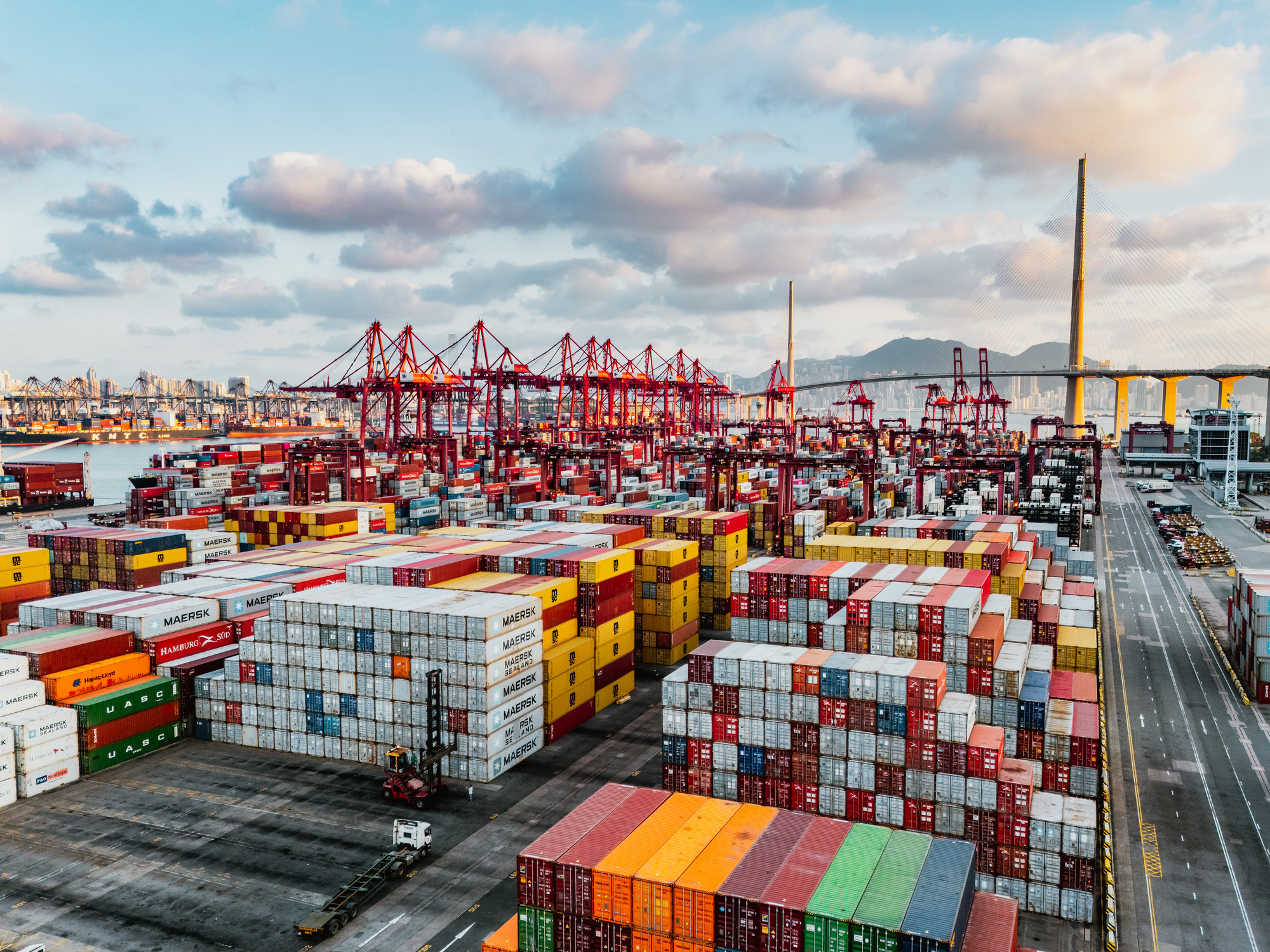
Port congestion is still one of the most critical issues in the intermodal industry. And at some U.S. terminals, almost one in three containers is picked up by the driver in more than 2 hours. This delay directly increases labor costs, reduces equipment utilization, and contributes to late delivery. This imposes an additional burden on exporters’ drayage management, especially when operational volumes stray from expectations.
Additionally, the surge of activity at the West Coast ports, fostered by tariff conditions, provided the dynamic enterprise with the required opportunities. The container dwell period remains below historical levels; however, unpredictable port activity underscores the importance of speed and adaptability.
Technology Reshaping Drayage Operations
One of the key forces that is increasingly shaping modern drayage operations is technology adoption. Current transportation management systems use artificial intelligence to automate dispatch, scheduling, and exception management. Such systems help to eliminate the need for manual control, while enhancing accuracy and speed in drayage services.
AI-powered platforms are enjoying greater visibility from local terminal conditions, chassis availability, and driver performance. The logistics teams can use real-time data to anticipate delays, reroute assets, and make informed decisions that maintain margins while improving service reliability.
Infrastructure Investments and Capacity Shifts
The investment in infrastructure is indeed yet another dimension of change. Port expansions, the use of more efficient gate systems, and enhanced connectivity between ports and railways increase throughput capacity. These adjustments are useful for stabilizing drayage shipments, even when the total freight movement differs.
Shippers that align more strategically with new-age terminals and intermodal facility hubs will be in a position to achieve lower dwell times and greater certainty.
Regulatory Changes and Compliance Challenges
Regulation is becoming more stringent in the drayage industry. Compliance costs have been rising due to new safety legislation, including requirements for automatic braking and electronic vehicle speed control.
Complying with these regulations for most drayage providers requires a capital outlay, which is a challenge given the small margins. Nonetheless, fleets that take the first step in implementing these changes may benefit from reduced risk and improved safety records in the future.
Simplification as a Competitive Advantage
As complexity increases, there is an emerging trend toward greater operational simplicity in the marketplace. There is greater efficiency, accountability, and reliability when fewer carrier partnerships are used in operational management. Most shippers who simplify drayage services experience lower overall costs and greater efficiency than when the network is disorganized.
Bottom Line
The drayage industry is changing rapidly and is underpinned by the port infrastructure, tech-savvy operators, and regulations. Nowadays, innovative enterprises are likely to be highly data-agnostic and highly operational, but in a straightforward way.
KCH Transportation offers excellent, timely drayage solutions for businesses that require reliable support during this period of transition. Discuss with us today and leverage the trust in your drayage strategy.