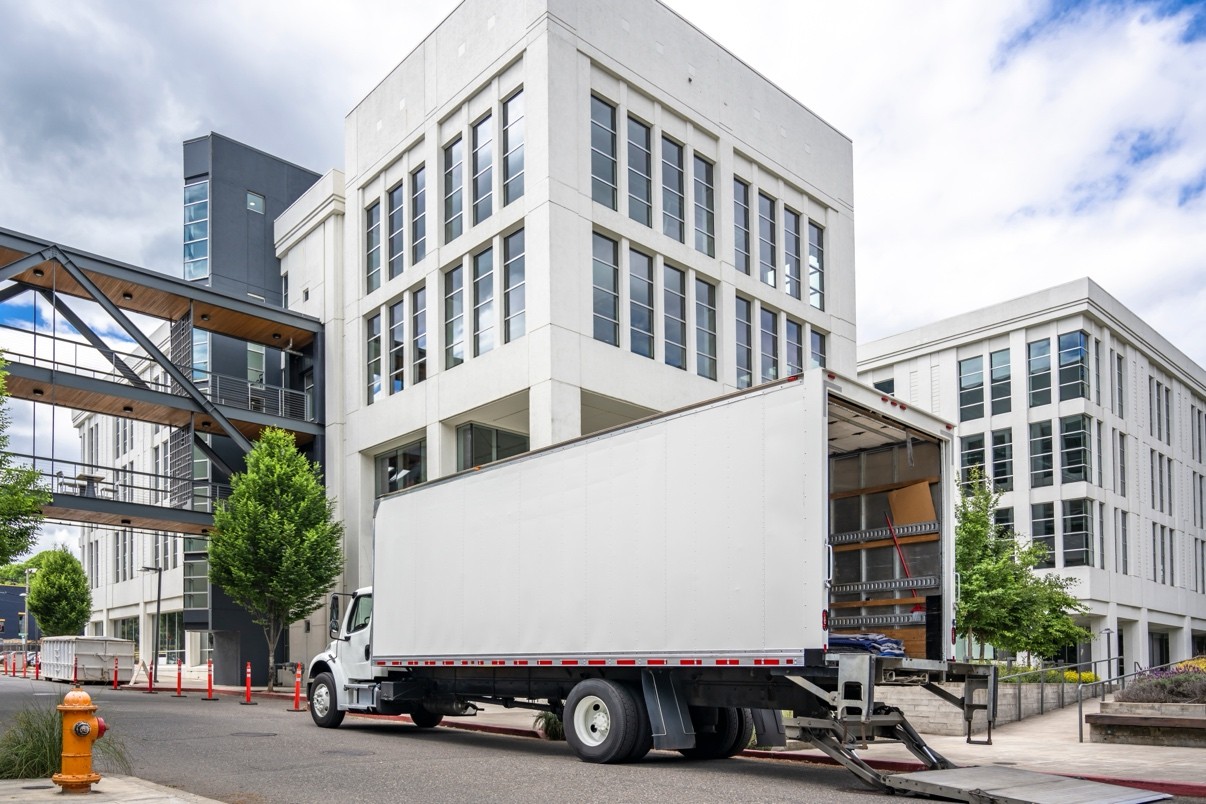
Freight that does not fill an entire truck follows a different path compared to direct shipments. The LTL freight system operates through a system of terminals and transfer points that move freight to its ultimate destination. The delivery process involves multiple steps that utilize common transportation resources to transport several shipments to their intended destinations.
What Happens After Freight Is Picked Up?
The journey begins with pickup from the sender’s location. The shipments are delivered to a nearby terminal before continuing to their final destination.
- Freight is sorted based on its specific destination
- The system organizes shipments that share identical routes
- The loads undergo preparation for their upcoming transportation phase
The first step in the process establishes an initial framework that determines shipment speed throughout the transportation network.
How Do Transfer Terminals Keep Freight Moving?
At the terminal, freight is unloaded and sorted before being loaded onto another truck, which continues to its next delivery point. The procedure can be repeated multiple times because the distance and route need to be evaluated.
Each terminal provides a connection point that enables shipments to travel between regions without needing dedicated trucks for each shipment. Proper management of these locations ensures continuous operations and prevents potential delays.
Multiple Transfers Improve Network Efficiency
The intricate system of multiple stops enables freight systems to achieve their highest operational efficiency. The transport system uses shipment consolidation to combine and distribute shipments through its network.
- Better use of available truck space
- More organized routing across regions
- Reduced empty miles in transport
The technique develops a framework for domestic LTL freight logistics that uses its network of interconnected hubs to connect multiple cities and states.
How Is Timing Managed Across Different Locations?
The scheduled delivery times for LTL shipments reflect their primary delivery requirements. The multiple shipment locations require precise schedule matching, which demands careful handling.
- The terminals coordinate their arrival and departure schedules through collaboration
- The system schedules transfers to decrease the time spent waiting
- Tracking systems help monitor progress across the route
The system establishes planned operations to ensure freight transportation proceeds without interruptions.
What Keeps Shipments Accurate Across Transfers?
Multiple handling points create situations where precise measurements become mandatory for all operations. Proper tracking and management procedures must be followed for all shipments to prevent routing errors and delivery delays.
The system maintains accurate performance because three elements support its operations by utilizing specific labels, organized sorting systems, and ongoing terminal communication. The system maintains correct shipment routing from pickup through delivery to the destination.
Understanding the Flow Behind LTL Shipping
Freight movements between different transfer points show an organized system that operates efficiently and coordinates transportation. Businesses can transport their products through their terminals by using combined shipments, which do not require complete truckload deliveries.
KCH Transportation services help businesses with their transit needs by providing organized planning and dependable operational coordination. Their strategy improves operational efficiency by simplifying the management of less than truckload shipping within complex distribution systems.