Port congestion alters the rhythm of freight flows. Container circulation becomes inefficient, making appointments difficult, and cargo starts staying longer at the terminal. When this occurs, delays begin to spread to other logistics processes, such as trucking coordination, rail logistics, warehousing planning, and delivery.
That is precisely why port drayage services are needed. These services do more than just serve in short-haul transportation. They help sustain efficient container circulation amid port congestion and slowed-down freight logistics systems.
Congestion Often Begins with Container Accumulation
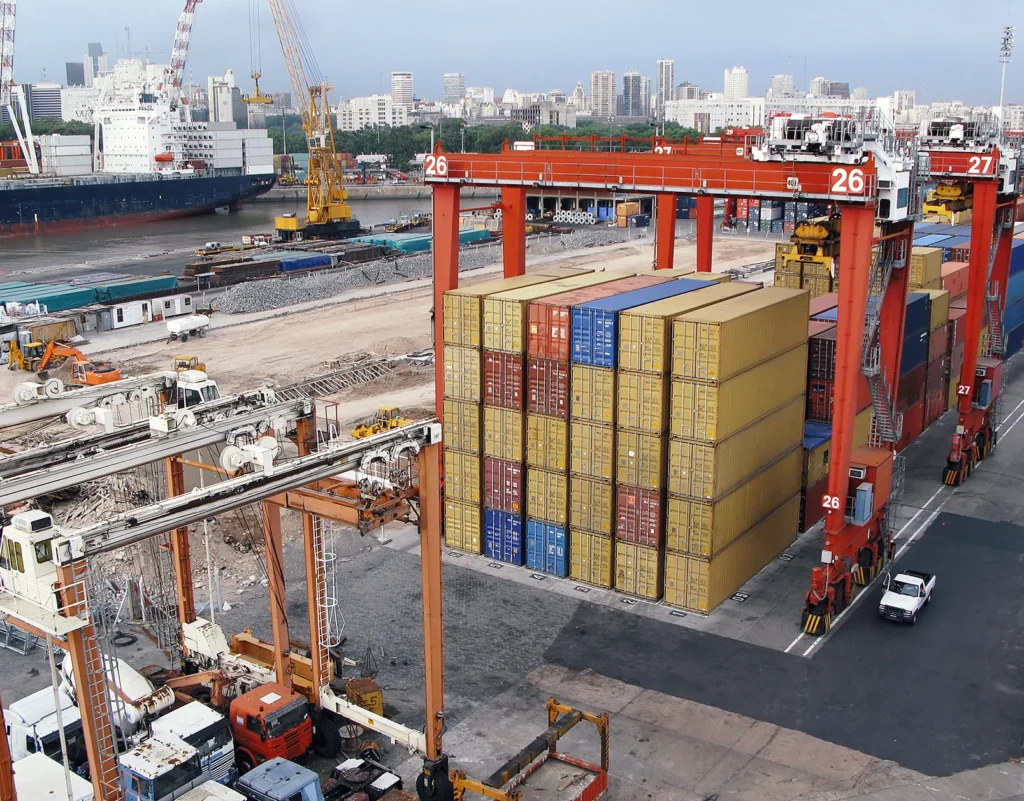
Ports work on a system of constant motion. Containers come in, move around, and depart in an orderly manner. However, when there is less movement from ports, containers start piling up inside port terminals faster than they depart.
The following issues emerge as a result:
- Decreasing space within the port terminals
- Delaying unloading activities
- Longer waiting hours for trucks
- Conflicting schedules of different carriers
With increasing congestion, the entire freight process becomes even more difficult to manage.
Container Circulation Matters More Than Speed Alone
During peak congestion, the major problem is not necessarily travelling distance, but container circulation. The port has to be continuously cleared of containers to allow more cargo to come in.
Drayage operations play a key role in ensuring efficient circulation by quickly moving containers from one facility to another without delays.
Why Do Delayed Containers Affect More Than the Port?
Container delays at the port affect more than just port processes. The warehouses delay labor, inventory stocking slows, and freight departures become less certain.
A single delayed container can create delays in:
- The warehouse receiving schedule
- Manufacturing schedules
- Freight departure schedules
- Inventory levels in the region
This is why container delays tend to be more widespread than just the port.
Rail and Truck Coordination Become More Sensitive During Congestion
With increased port activity, the logistics of transporting goods across different modes of transport become crucial. Delays in synchronization between the trucking and rail services can lead to further backlog formation within the system.
Companies that use the intermodal drayage service pay close attention to timely transitions during this period to ensure their containers are not left idle in crowded terminals.
Appointment Scheduling Becomes a Major Operational Challenge
Port appointments tend to be more competitive during times of high ship activity. Failure to catch a ship’s appointment will cost you many hours or even days.
The following factors are affected:
- Truck appointments
- Chassis availability
- Driver scheduling
- Warehouse scheduling
Good scheduling systems help manage this situation efficiently.
How Does Congestion Change Freight Planning Strategies?
Due to congestion, logistics teams must be more adaptable. Transportation plans may need to be adjusted continuously based on terminal status, appointment availability, and the priorities of the goods.
Companies might:
- Re-route containers via other terminals
- reschedule deliveries
- Prioritize urgent cargo
- Change the inland transportation schedule
All these factors help companies maintain continuity despite slowed port operations.
Inland Freight Networks Depend on Stable Port Movement
Ports act as gateways to the inland transportation system. Delays in moving containers along the coast can cause similar problems for railway depots and inland warehouses soon after.
The smooth flow of containers is important because it helps avoid disruptions to the freight system, especially during peak traffic.
Final Thoughts: Container Movement Keeps Freight Networks Functioning
Port congestion results in operational pressures that extend much further than simply the gates of the port terminals themselves. Port congestion can cause delays and coordination problems for transportation logistics that go well beyond a single region.
Firms managing many containers require systematic drayage trucking to ensure that they have consistent transport between their ports, inland sites, and other distribution hubs through periods of congestion.
By providing firms with better coordination of containers, KCH Transportation enables smooth port operations and efficient logistics throughout congested shipping networks.