A construction project can have the plans, people, materials, and machinery lined up and still lose momentum if one key load isn’t where it needs to be. That is the new reality of large-scale construction. Bigger sites bring heavier equipment, more suppliers, tighter delivery windows, and less room for transportation mistakes. For companies using construction logistics services in the USA, moving freight is no longer a background task. It is part of keeping the project on schedule.
The challenge is not simply moving more. It is moving better.
Why are Bigger Projects Harder to Supply?
Big construction sites rarely need just one type of freight at one time. They may need structural steel in the morning, machinery later in the week, and specialized components immediately after another phase is completed. Every load has different dimensions, handling needs, and delivery priorities.
Then the site itself keeps changing. A space available for unloading today may not be open for tomorrow. A temporary entrance may disappear as construction increases. A crane or lift may need the same area where another delivery was planned. That makes timing critical.
A useful delivery plan considers:
- What material is needed first
- Which loads have strict delivery windows
- What equipment is needed for unloading
- How much staging space is available
- Which deliveries can share a window
- What happens if the construction schedule changes
The best delivery isn’t necessarily the one that arrives early; it is the one that arrives when the site is ready to use it.
What can go Wrong After the Truck Reaches the Site?
Quite a lot. A delivery can arrive on time and still become a problem if the trailer can’t reach the unloading area or the site does not have the right equipment ready. That is why a construction material transportation company needs to understand the destination before dispatch.
The transportation plan should account for:
- Entrance and exit points
- Turning radius
- Trailer dimensions
- Ground conditions
- Overhead clearance
- Unloading equipment
- On-site personnel
- Receiving hours
A map can show the destination, but it won’t show you what the driver will encounter at the gate.
What Changes when the Load Gets Too Large for Ordinary Freight?
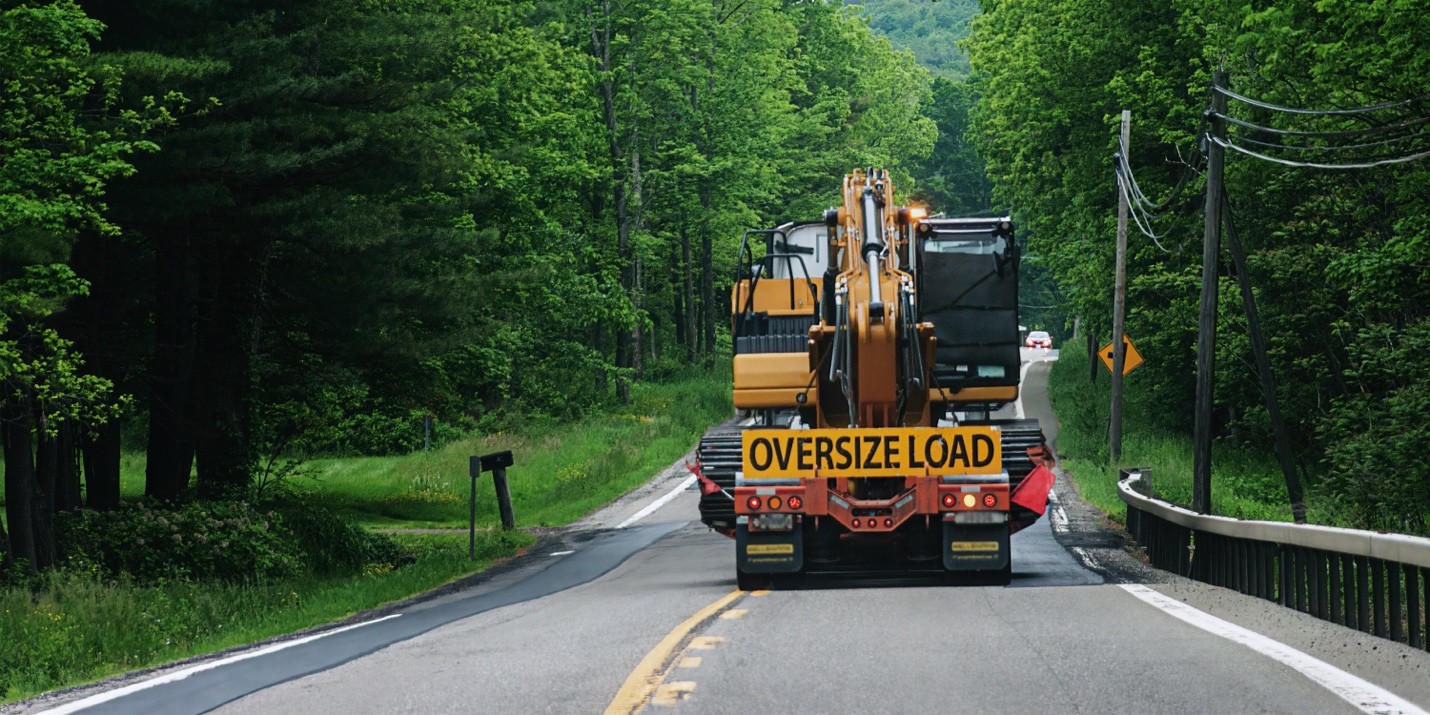
Quite a bit, actually. The larger the load is, the more decisions come before the truck moves. Heavy machinery, generators, structural components, and industrial equipment may require specialized trailers and additional planning. Depending on the load and route, permits, clearances, route surveys, pilot vehicles, or special loading arrangements may also be necessary.
Before selecting a construction trucking company in the USA, businesses should confirm:
- Maximum load dimensions and weight
- Appropriate trailer type
- Route requirements
- Permit responsibilities
- Loading arrangements
- Unloading arrangements
- Delivery-site access
- Shipment tracking
Yes, the quoted rate matters a lot, but not as much as the carrier’s ability to handle the actual load.
How can Logistics Keep Pace When the Project Changes?
Because construction schedules rarely stay frozen- rarely. A lot is going on, and things can go wrong. Weather can push work back. Inspections can take longer. Materials can arrive late. Another contractor may need the same space or equipment.
Transportation needs enough flexibility to respond without creating another problem. Good communication helps. If a delivery needs to be moved by two days, the transportation provider should know before dispatching the truck. If the site cannot receive a load, the shipper should have time to adjust the plan.
That means keeping the key details visible:
- Current delivery dates
- Load status
- Site readiness
- Equipment availability
- Changes affecting upcoming shipments
The goal isn’t to predict every disruption in advance, but to make unseen disruptions easier to manage.
Construction Freight Needs a Seat at the Planning Table
Logistics used to be all about “getting materials there”; now it is more than that. It also affects staging, labor, equipment use, site access, and project timing. The freight plan should work in the way the team is.
Businesses need experienced, understanding logistics transportation partners who understand how your business operates. Being one of the best, KCH Transportation supports businesses with construction freight coordination, carrier oversight, shipment visibility, and transportation options for different load requirements. As projects grow, the logistics plan needs to become more deliberate, more responsive, and more closely connected to the work happening on site.
Because the real measure of construction logistics is not how many loads arrived. It is how little those deliveries disrupted the work.